
The Anatomy of a Well-Fitting Shirt: What to Look For Before You Commit

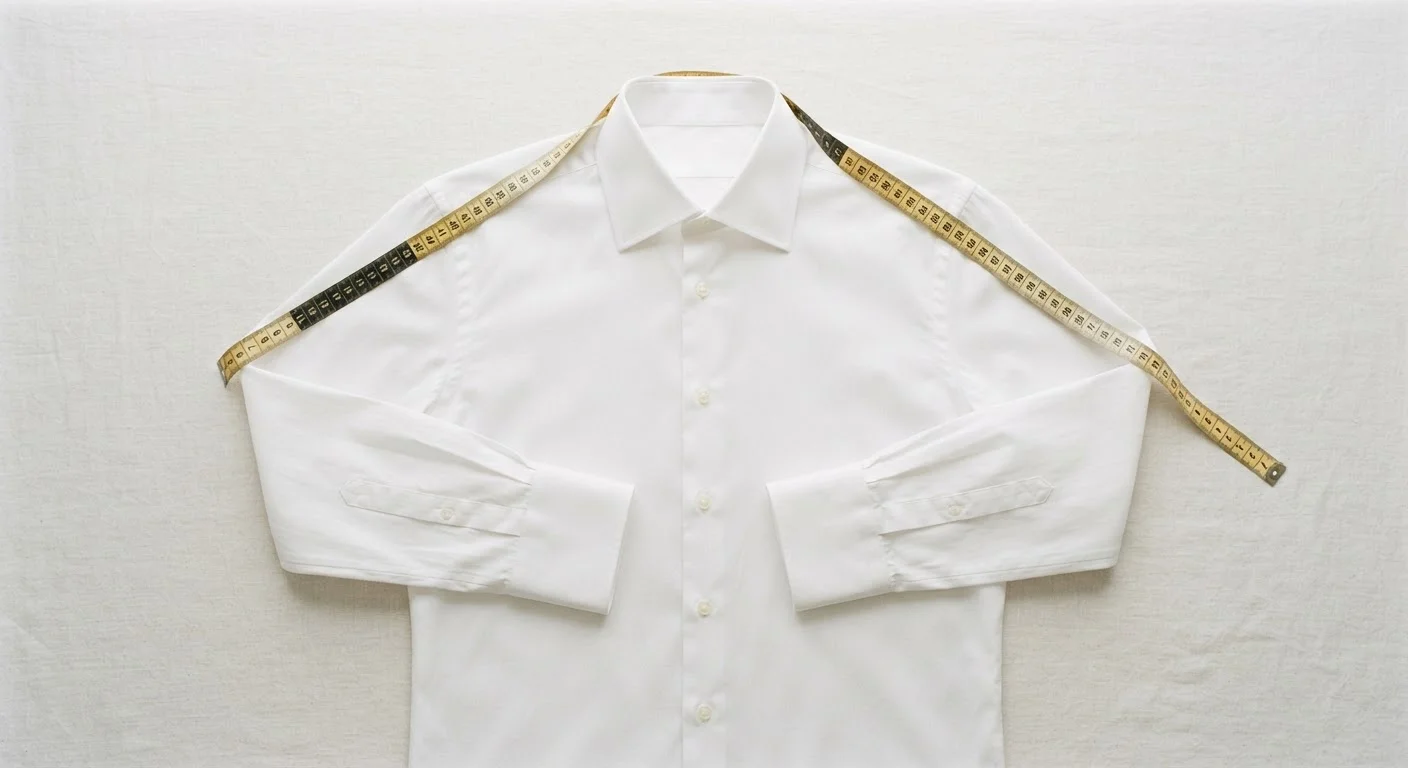
Photo: InfoAlly.net | Finding Info Made Easy editorial
Why Fit Is the First Thing People Notice
Before color, pattern, or price even register, the eye reads fit. A shirt that pulls across the chest or sags at the shoulder signals mismatch - while one that moves with your body looks intentional and polished. The challenge is that "fit" isn't one-size-fits-all advice: it shifts with shirt style, fabric, and even brand sizing conventions.
This reference breaks down the specific checkpoints to evaluate when you're deciding whether a shirt truly works for you - from the shoulder seam to the hem. Think of it as a quick-scan toolkit you can bring to any dressing room or use when ordering online. For a broader view of how fit connects to the rest of your wardrobe, see our guide to fabric, fit, and finish.
| Most critical fit point | Shoulder seam alignment (Standard tailoring guidance) |
| Collar ease (dress shirts) | Two fingers between collar and neck (Traditional menswear tailoring standard) |
| Dress shirt sleeve end point | At the wrist bone (Classic dress shirt guidelines) |
| Chest ease (button-front shirts) | ~1 inch of fabric to pinch on each side (General tailoring rule of thumb) |
| Untucked hem ideal length | Around the mid-hip (Contemporary casual style guidance) |
| Hardest alteration on a shirt | Shoulder seam repositioning (Tailoring industry consensus) |
The Six Fit Checkpoints, Explained
1. Shoulder Seam
This is the single most important point on any shirt. The seam where the sleeve meets the body should sit right at the edge of your shoulder bone - not sliding down your arm, not pulled toward your neck. A misaligned shoulder seam throws off the entire silhouette and is one of the hardest alterations to fix affordably.
2. Chest and Torso
Button-front shirts should close without pulling or gaping at the chest. You want enough room to pinch about an inch of fabric on each side - enough ease to move and breathe, but no ballooning excess. For knit or casual shirts, look for fabric that skims (not clings) around the torso.
3. Collar and Neckline
On dress shirts, a buttoned collar should allow two fingers to fit comfortably between fabric and neck. Too tight strains and creases; too loose looks sloppy and makes neckties sit awkwardly. Casual crew or V-necks should lie flat against the chest without stretching or gaping.
4. Sleeve Length
For dress shirts, the sleeve should end at the wrist bone, allowing about a half-inch of cuff to show beneath a jacket. Casual shirts have more flexibility, but sleeves that extend past the knuckles or stop several inches above the wrist both read as off.
5. Shirt Length and Hem
Tuck-in shirts should have enough length to stay tucked through movement - typically hitting mid-hip or below. Untucked styles ideally end around the mid-hip, covering the waistband without looking like a tunic. A straight or slightly curved hem reads as casual-ready; a longer, curved shirt-tail hem signals a more formal cut.
6. Back Panel
Check for excess fabric bunching at the lower back, which typically means the shirt is too wide or too long for your torso. Some dress shirts include a back pleat or box pleat to allow movement - this is intentional structure, not excess fabric.
Ease
The intentional extra room built into a garment beyond your actual body measurements. Ease allows you to move, breathe, and sit comfortably. Different shirt styles have different ease levels by design.
Shirt-tail hem
A curved hem that dips lower at the front and back than at the sides, traditionally designed to stay tucked in. It signals a more formal or dress-shirt cut.
Box pleat
A fold of extra fabric stitched at the center back of a dress shirt, allowing the wearer to move and raise their arms without straining the shirt. It's a functional design feature, not a fit flaw.
Drop shoulder
A construction style where the shoulder seam is intentionally set lower on the arm, creating a relaxed or oversized silhouette. Common in casual and streetwear-influenced shirt styles.
Fit by Shirt Style: A Quick Reference
Different shirt cuts follow different fit logic. Here's how the checkpoints shift across common styles:
- Slim or tailored fit: Closer through the chest and waist; shoulder seam placement is still non-negotiable. Best for those who want a defined silhouette.
- Classic or relaxed fit: More ease through the torso and arm; intentionally roomier without being shapeless. The shoulder seam still needs to align correctly.
- Oversized or boxy cut: Shoulder seams may intentionally extend slightly; the key is that the drop looks deliberate and proportionate - not like a shirt that's simply too big.
- Performance or stretch fabrics: These shirts are engineered to move, so some additional stretch at the chest is by design. Focus on how it fits at rest, not just in motion.
Fit preferences are also deeply personal. Dressing for your body shape isn't about rigid rules - it's about understanding proportion and making choices that feel right for your comfort and confidence. And when you're ready to apply these checkpoints across your full closet, a structured wardrobe audit can help you identify what's actually working.
On Alterations: What's Worth It
The content on this site is for informational purposes only and is not a substitute for professional advice. Always consult a qualified professional for guidance specific to your situation.