
Fabric, Fit, and Finish: The Three Pillars of Looking Put-Together

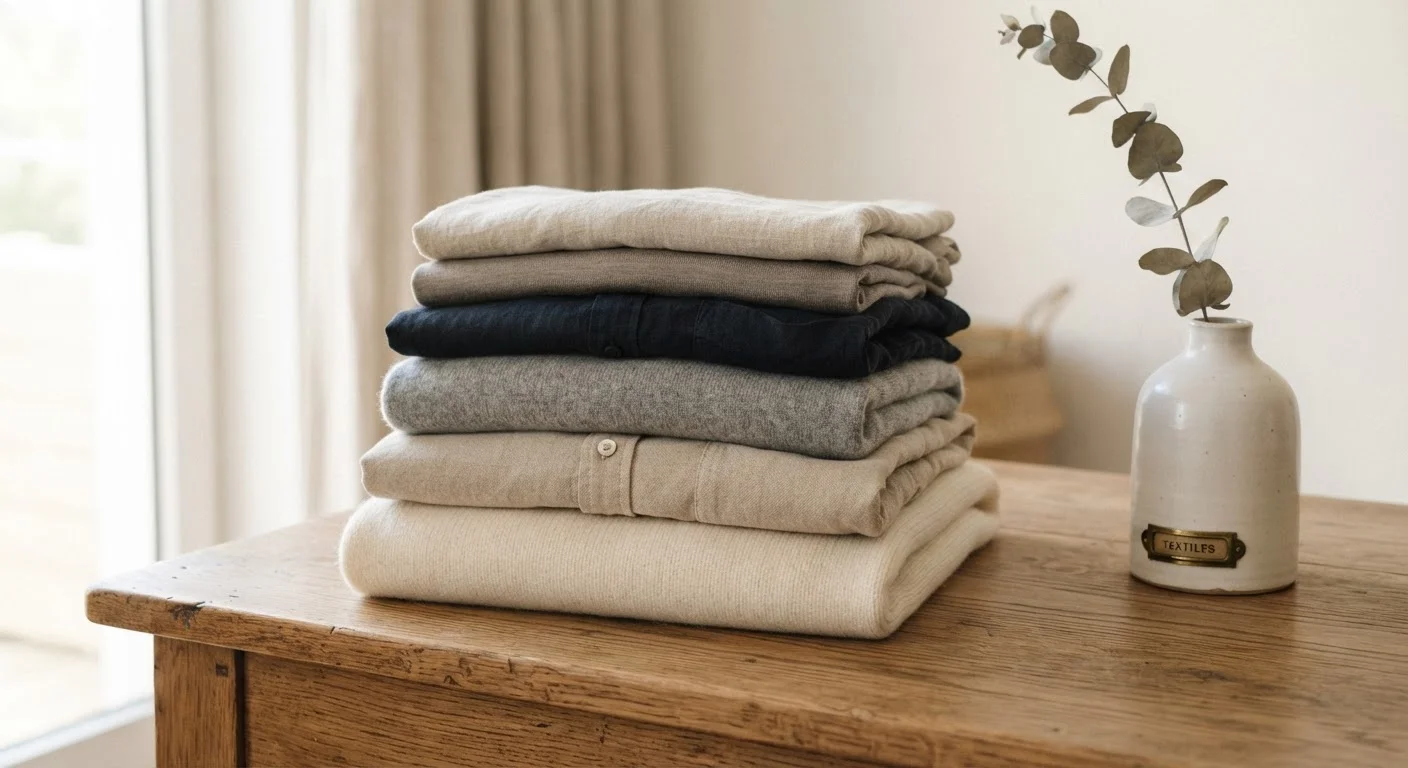
Photo: InfoAlly.net | Finding Info Made Easy editorial
Key Takeaways
- Fabric quality affects how an outfit moves, drapes, and holds its shape over time.
- Fit matters more than size - small alterations can transform how any garment reads.
- Garment finish details like seams, hems, and closures signal craftsmanship at a glance.
- A polished look is about intention, not price - understanding construction beats chasing labels.
- These three pillars work together; strength in all three elevates even the simplest outfit.
Why Three Factors Outperform a Bigger Budget
Most people assume that looking put-together is a spending problem. Spend more, look better. But walk into any room and you'll notice the most pulled-together person isn't necessarily wearing the most expensive clothes - they're wearing clothes that work. Three quiet factors explain nearly every well-dressed impression: the fabric, the fit, and the finish. Master these, and an outfit reads as intentional no matter what the tag says.
This matters especially if you're trying to build a style that lasts, not one that chases every micro-trend. For a deeper look at curating what actually hangs in your closet, see our guide to building a wardrobe for real life. The pillars below will help you evaluate every piece within it.
Fabric: The Foundation of Every First Impression
Before a single seam is assessed or a silhouette considered, fabric is doing the heavy lifting. Natural fibers like cotton, wool, linen, and silk tend to drape more fluidly and breathe more comfortably than many synthetics - and they often hold their shape through repeated wear and washing. That said, fabric quality isn't strictly about fiber content; thread count, yarn weight, and weave density all contribute to how a material performs over time.
What to look for in practice: hold the fabric up to light. A quality woven fabric is even and tightly constructed without obvious gaps. Rub it gently between your fingers - quality fabric has a certain hand (the tactile quality of a textile) that feels substantial without being stiff. Thin, slippery, or scratchy materials tend to look as uncomfortable as they feel.
The quiet luxury aesthetic that's influenced American closets in recent years is largely a fabric story - muted tones in cashmere, fine wool, and brushed cotton quietly communicate quality without any logo required.
Fabric quality isn't strictly about fiber content - weave density and yarn weight matter just as much.
Fit: The Variable You Actually Control
Fit is the most democratizing factor in dressing well because it's adjustable. A modestly priced blazer that fits your shoulders precisely and skims your torso cleanly will consistently outperform a premium blazer worn at the wrong size. Off-the-rack clothing is designed for a statistical average, not for your specific proportions - which means almost every garment could benefit from at least a minor adjustment.
The key fit points vary by garment type, but a few principles apply broadly:
- Shoulders are the most expensive alteration. Buy to fit your shoulders and adjust everything else from there.
- Trouser breaks matter. The hem of a pant leg where it meets your shoe affects the entire visual line of your lower half.
- Sleeve length is often overlooked. A shirt or jacket sleeve that's too long or too short immediately signals an off-the-rack fit that wasn't addressed.
Building a relationship with an affordable local tailor is one of the highest-return style habits you can develop. Small adjustments - a hemmed trouser, a taken-in side seam - transform garments you already own.
A well-fitted modest blazer will consistently outperform a premium one worn at the wrong size.
Finish: The Details That Signal Craftsmanship
Garment finish refers to how a piece is constructed and completed at the detail level - the things you notice when you look closely, or that quietly register even when you don't. Stitching consistency, seam allowances, hem construction, lining quality, button attachment, and zipper behavior all fall under finish. These details are where fast fashion most reliably cuts corners.
Run your eye along a seam: is the stitching even, or does it pucker and wander? Check the hem - is it cleanly folded and pressed, or does it ripple? On a jacket, does the lining lie flat inside, or bunch awkwardly? On a button-front shirt, do the buttons sit flat or pull when worn? None of these assessments require expertise - they require five seconds of attention before purchase.
Finish also includes pressing and care. A well-finished garment that arrives home and gets balled up in a drawer will look as unpolished as a poorly made one. Hanging natural-fiber garments, steaming rather than aggressively ironing delicate fabrics, and following care labels are all part of preserving finish over time.
Stitching consistency, hem construction, and button placement register subconsciously as craftsmanship - or the lack of it.
Layering With Purpose: How the Pillars Interact
When you layer garments - which is almost every outfit outside of summer - fabric, fit, and finish interact dynamically. A structured outer layer over a soft base works when both have compatible drape and weight. When fabrics fight each other texturally or in weight, the layering looks accidental rather than considered.
Fit in a layered look means accounting for the additional volume. A fitted blazer sized for a dress shirt may pull awkwardly over a substantial knit. Trying garments together before buying, rather than in isolation, reveals whether they're genuinely compatible.
For season-to-season dressing - where layering is most critical - our article on transitional dressing across seasons covers how fabric weight and color temperature work together to create outfits that read intentionally in ambiguous weather.
Layering looks intentional when fabrics share compatible weight and drape - and accidental when they don't.
Training Your Eye: A Practical Habit Loop
The good news about fabric, fit, and finish is that your ability to assess them improves rapidly with repetition. Fashion industry professionals develop what's sometimes called a "trained eye" - the ability to read a garment's quality almost at a glance. But this isn't innate talent; it's pattern recognition built through deliberate observation.
A simple habit: whenever you admire an outfit on someone else or notice one that looks off, pause and mentally diagnose why. Is it the fabric - too thin, too shiny, or conversely, beautifully weighted? Is it the fit - too boxy, too tight, or exactly right through the shoulder? Is it the finish - a hem that's pulling, a collar that won't lie flat, or seams that sit perfectly?
Over weeks, this habit rewires how you shop and how you dress. You'll instinctively gravitate toward pieces that pass all three tests, regardless of price point or brand. Style, ultimately, is just a series of informed choices made consistently over time.
Style is a trained eye, not a natural gift - observation practiced consistently becomes instinct.
Putting It All Together
None of these three pillars works in isolation. A stunning fabric cut poorly looks sloppy. A perfect fit in a thin, pilling knit still reads cheap. Meticulous finishing on a garment that bags at the shoulders goes unnoticed. But when fabric, fit, and finish align - even in an understated, simple outfit - the result is a coherence that people register instinctively as "put-together."
Start With What You Already Own
If you enjoy exploring how construction quality translates to longevity, our article on durability signals worth looking for in clothing digs into the specific details worth checking before you commit to a purchase. And once your core pieces are dialed in, accessories can amplify the whole story with minimal extra effort.
The content on this site is for informational purposes only and is not a substitute for professional advice. Always consult a qualified professional for guidance specific to your situation.