
Personal Style From Scratch: A Complete Guide for Anyone Starting Over

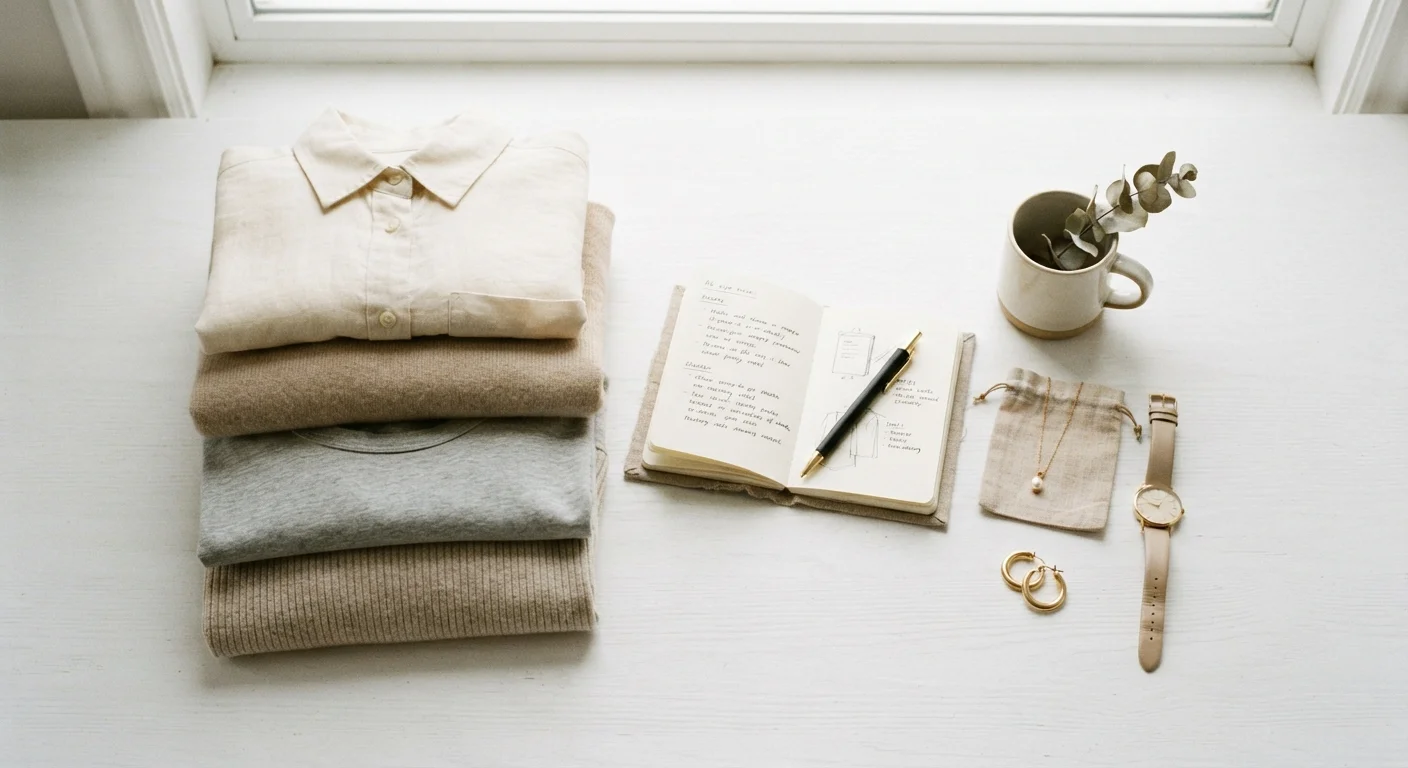
Photo: InfoAlly.net | Finding Info Made Easy editorial
Key Takeaways
- Personal style is built through observation and experimentation, not overnight shopping hauls.
- A strong wardrobe starts with a small set of versatile, well-fitting foundational pieces.
- Understanding your actual lifestyle is more useful than following trend forecasts.
- Intentional spending prevents the cycle of buying things that never get worn.
- Style evolves - the goal is a wardrobe that grows with you, not one you outgrow.
Why Starting Over Is Actually an Advantage
Starting from scratch with your personal style isn't a setback - it's a rare opportunity to make deliberate choices instead of inheriting habits. Whether you're emerging from a major life transition, finally ready to invest in how you present yourself, or simply tired of opening a stuffed closet and feeling like you have nothing to wear, the blank-slate moment is genuinely powerful.
Without the clutter of past impulse buys and outdated phases, you can ask a more honest question: What do I actually want to communicate about myself? That question is the real starting point of style - not a shopping cart.
~80%
Wardrobe items rarely or never worn
Research and wardrobe studies consistently suggest most people wear only about 20% of their clothes regularly, leaving the majority unused.
3-5 years
Typical personal style evolution cycle
Style researchers and wardrobe consultants generally observe that aesthetic preferences shift meaningfully every few years alongside life changes.
Clarify Who You Are (and Who You're Dressing For)
Before touching your closet, spend time mapping your real life. Style that works is style that fits your actual schedule, not a fantasy version of it. Consider the environments you move through most - workplace, weekend errands, social events, active pursuits - and roughly how often you're in each one.
Ask yourself: How do I want to feel when I walk into a room? Polished? Relaxed? Creative? Authoritative? These emotional cues are more reliable guides than trend boards. Write them down. This informal list becomes your style compass - something to return to whenever a purchase feels uncertain.
Before decluttering, spend a week noting which pieces you reach for automatically - those instinctive choices reveal more about your true style than any quiz or mood board.
When assessing a potential new piece, try it with items you already own rather than evaluating it in isolation - versatility is a feature, not a bonus.
Finding Your Aesthetic Direction
Aesthetic direction is not about picking a label like "minimalist" or "bohemian" and rigidly sticking to it. It's about identifying recurring visual themes that genuinely resonate with you. Save images that catch your eye - from editorial spreads, street style photography, or everyday people you admire - and look for patterns after a few weeks. You'll notice consistent colors, silhouettes, and textures.
For a deeper walk through this discovery process, see our guide on finding a direction that actually reflects you. It covers how to move from inspiration to a coherent point of view without locking yourself into one rigid look.
Color palette is one of the most practical outcomes of this exercise. A working palette of four to six colors that you genuinely love - and that work together - makes getting dressed faster and helps individual pieces combine more naturally.
Building the Foundation: Wardrobe Essentials
Wardrobe essentials aren't a universal checklist - they're specific to your lifestyle and aesthetic direction. That said, the underlying principle is consistent: prioritize pieces that fit well, work in multiple contexts, and hold up over time. Fit matters more than any other factor. A well-fitting affordable piece outperforms an ill-fitting expensive one every time.
Think in terms of categories rather than specific items: a bottom that can dress up or down, a layer you reach for constantly, a shoe that bridges casual and smart-casual. Once you have a mental image of what each category looks like for your life, you can fill it intentionally. For a practical walkthrough of this process, building a wardrobe that works for your real life offers structured guidance on prioritization and what actually gets worn.
Start With Five, Not Fifty
Shopping With Intention, Not Impulse
One of the most common style pitfalls is buying reactively - grabbing something because it's on sale, because a trend is everywhere, or because you're stressed and shopping feels productive. The result is a closet full of orphan pieces that don't combine with anything else you own.
Shopping intentionally means knowing your gaps before you browse, having your color palette and category needs in mind, and asking whether a potential purchase connects to at least three things already in your wardrobe. It's also worth connecting your style decisions to broader spending habits - our article on building a personal spending philosophy explores how to align purchases with real values rather than impulses.
Trend Chasing Undermines Long-Term Style
Sustaining and Evolving Your Style Over Time
Style isn't a project you complete - it's a practice you maintain. Periodic wardrobe audits keep your closet aligned with who you are now, not who you were two years ago. A structured audit helps you spot what's working, what's been neglected, and what gaps still need filling. Check out The Style Audit for a room-by-room method that makes this process methodical rather than overwhelming.
Allow your aesthetic to shift as your life does. A style that served you at one stage may need recalibration after a career change, a move, or simply a shift in taste. That's not failure - that's growth. The foundation you've built (clarity of self, a working palette, intentional pieces) remains useful even as the surface expression changes.
This article is for general informational and educational purposes only. It does not constitute financial advice. For guidance on budgeting and personal spending decisions, consider consulting a qualified financial professional.
The content on this site is for informational purposes only and is not a substitute for professional advice. Always consult a qualified professional for guidance specific to your situation.