
Personal Style from Scratch: Finding a Direction That Actually Reflects You

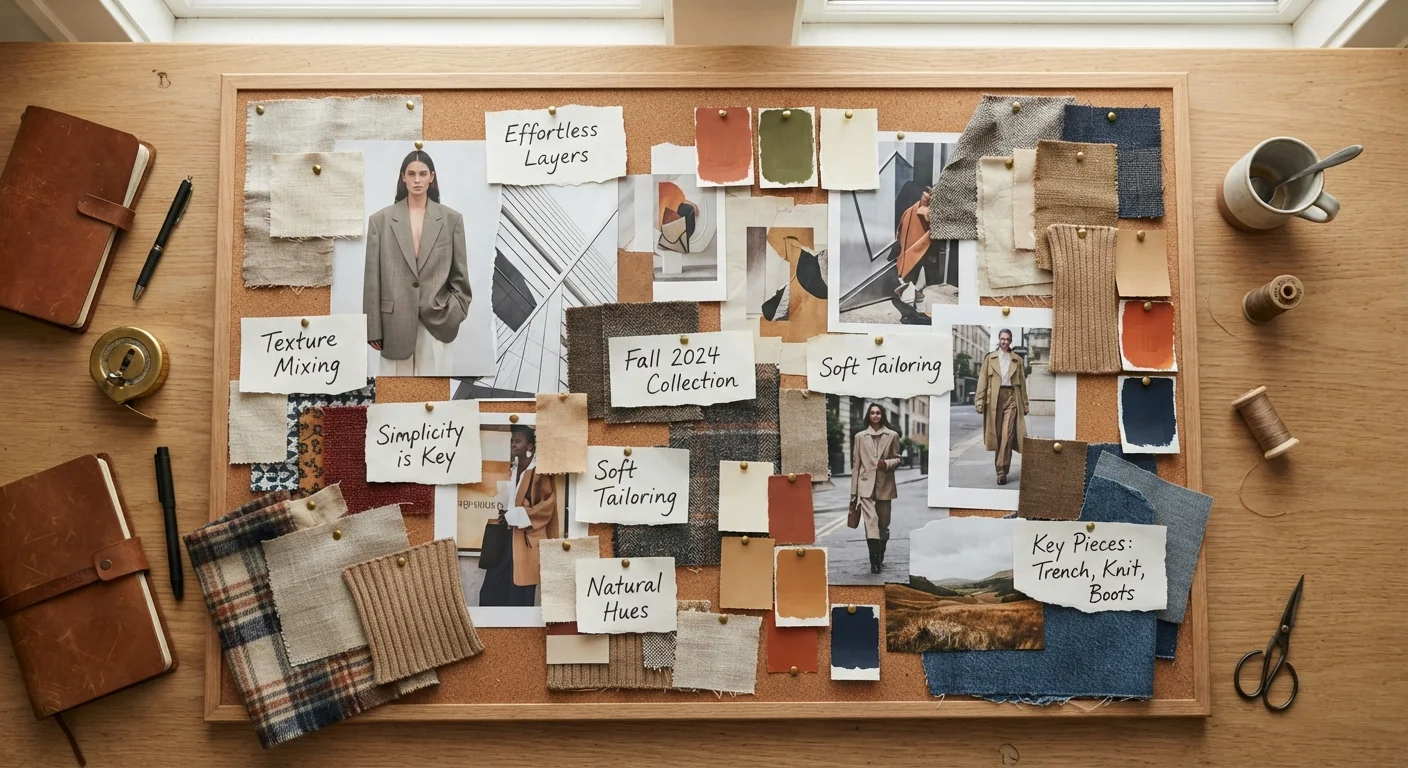
Photo: InfoAlly.net | Finding Info Made Easy editorial
Key Takeaways
- Personal style is developed through observation and reflection, not by following trends.
- Mood boards and visual curation help you spot patterns in what genuinely appeals to you.
- Style archetypes are a useful framework, but you are not required to fit into just one.
- Small, low-stakes experiments reveal more than any style quiz ever will.
- Your aesthetic is allowed to shift - evolution is not the same as inconsistency.
Why Personal Style Feels So Hard to Find
Most people don't struggle to find style because they lack taste - they struggle because they've never been given permission to develop it on their own terms. Fashion content is everywhere, and a lot of it tells you what you should want rather than helping you discover what you actually do. The result? A wardrobe that looks like someone else's idea of you.
Developing a genuine personal aesthetic is less about identifying the right trend and more about learning to recognize your own instincts. That takes time, and it starts with slowing down. For a broader foundation, the complete guide to starting over walks through every stage of this process in detail.
Personal aesthetic
The consistent visual and emotional qualities that characterize a person's style choices, from clothing to accessories to overall presentation.
Style archetype
A broad category describing a recognizable cluster of aesthetic preferences - such as minimalist or maximalist - that helps give language to your instincts.
Mood board
A collection of images, colors, and textures assembled to capture a desired visual feeling or direction, used as a reference point when making style decisions.
Silhouette
The overall shape or outline an outfit creates on the body - for example, oversized, fitted, or structured - which significantly influences the mood of a look.
Capsule approach
A strategy of building a wardrobe around a small set of intentionally chosen, versatile pieces that work well together rather than accumulating items without a unifying direction.
Start with Observation, Not Shopping
The most common mistake when building a personal style is heading straight to the store - or the cart - before you've done any real reflection. Instead, spend one to two weeks in pure observation mode. Save images that catch your attention without filtering them for practicality. Pin outfits from editorial spreads, street style photography, film stills, even interiors or art that create a mood you're drawn to.
Once you have a collection of 30 or more saved images, step back and look for patterns. Are certain silhouettes repeating? Does a particular color range keep showing up? Are the overall moods structured or relaxed, polished or textured? This process surfaces aesthetic preferences you might not have been able to articulate before. For a more structured approach, a wardrobe audit can reveal what your existing closet is already telling you about your instincts.
Make Your Mood Board Honest, Not Aspirational
Translating Inspiration into a Direction
Collected inspiration is raw material - the next step is shaping it into a workable direction. Look at your saved images and try to describe the overall feeling in three to five adjectives. Words like structured, earthy, graphic, soft, layered, or understated can act as anchors when you're making decisions about what to wear or what to add to your wardrobe.
This is where style archetypes can be genuinely useful. Archetypes - broad aesthetic categories like minimalist, maximalist, utilitarian, or romantic - give you a shared vocabulary for your instincts. You don't have to fit neatly into one; most people land somewhere between two or three. Explore style archetypes explained for a fuller breakdown of what each category includes and how they can overlap.
Experimenting Without Committing to a Label
Once you have a directional sense of your aesthetic, it's time to test it - with low stakes. Resist the urge to overhaul your wardrobe immediately. Instead, try styling items you already own in ways that align with your emerging direction. Experiment with proportion, layering, or how you use accessories before investing in anything new.
If you do want to bring in new pieces, start with lower-commitment options: secondhand finds, swaps with a friend, or single versatile items that fit your identified aesthetic rather than entire outfits. This approach lets you test a direction without financial pressure. For mindful budgeting as you build your wardrobe, general principles from saving and growing your money can help you balance exploration with financial sense.
Avoid Trend-Led Overhauls
Keeping Your Style Evolving (Not Stagnating)
Finding a style direction isn't a finish line - it's more like setting a compass heading. As your life changes, your aesthetic is allowed to shift too. The key is knowing whether repetition in your wardrobe reflects a confident signature or a limiting rut. A consistent look, worn with intention, is a sign of self-awareness. The same pieces worn out of inertia because it's easier than thinking is something else entirely.
Every few months, revisit your inspiration sources. Notice if what excites you has drifted. Check whether your current wardrobe still reflects who you are - or who you were two years ago. The difference between a signature look and a style rut is a worthwhile read when it's time for that check-in. And remember: personal style, by definition, belongs to you - it can grow as you do.
Frequently Asked Questions
The content on this site is for informational purposes only and is not a substitute for professional advice. Always consult a qualified professional for guidance specific to your situation.