
Style Archetypes Explained: Finding the Language for Your Aesthetic

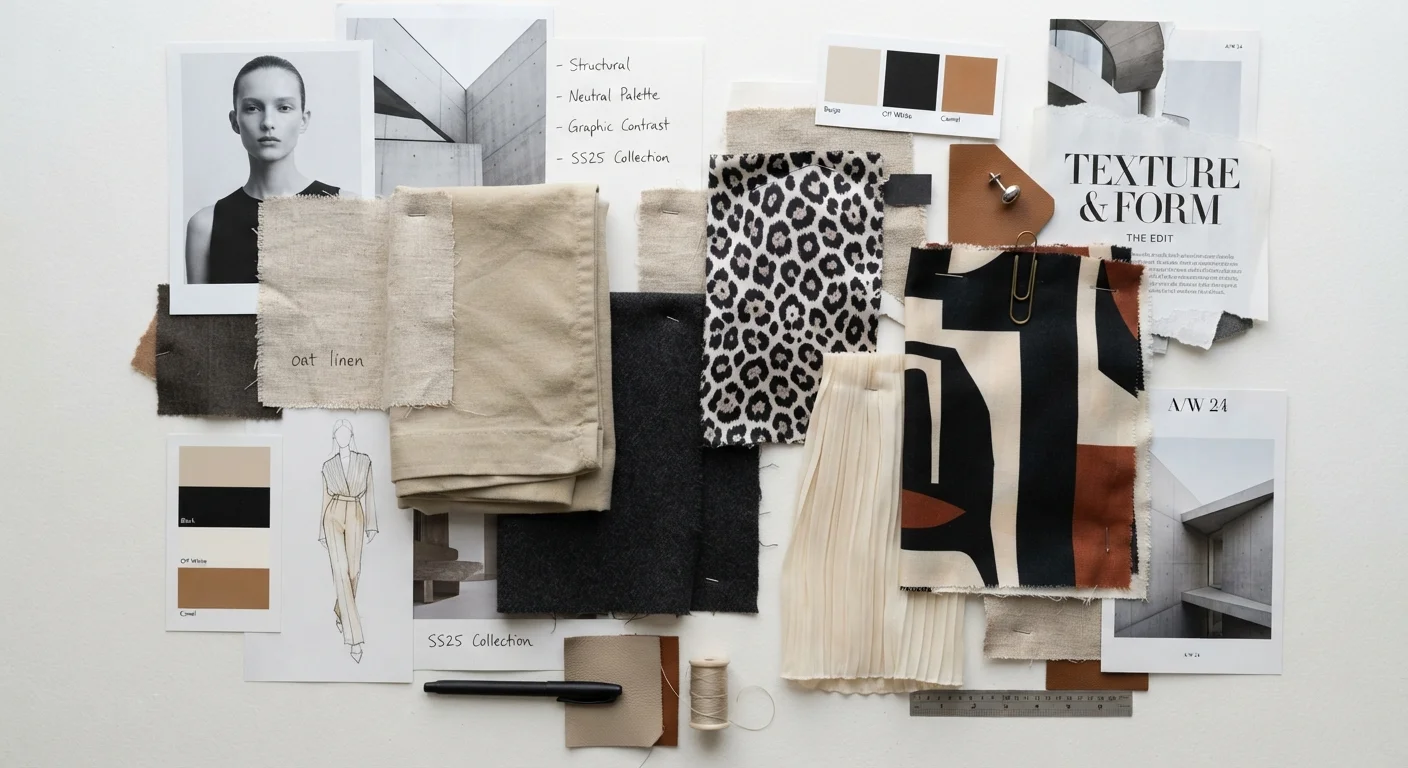
Photo: InfoAlly.net | Finding Info Made Easy editorial
What Is a Style Archetype?
A style archetype is a recognizable aesthetic pattern - a cluster of silhouettes, textures, colors, and moods that consistently show up together and feel cohesive. Think of it as shorthand for a visual language. When someone describes their look as minimalist or bohemian, they're invoking an archetype: a set of shared references that others can immediately picture.
Archetypes aren't personality tests or rigid boxes. They're frameworks - tools for making sense of the choices you're already making instinctively. If you've ever stood in front of a full closet feeling like you have nothing to wear, understanding your archetype can reframe that frustration. The problem usually isn't quantity; it's coherence. Confusion about personal style is common - but naming your archetype is one of the clearest paths to clarity.
Style Archetype
A recognizable cluster of aesthetic elements - silhouettes, textures, colors, and moods - that consistently appear together and create a coherent visual language. Archetypes are frameworks for understanding instinctive style preferences, not rigid categories.
Aesthetic
The overall sensory and visual impression a style creates. In fashion, aesthetic refers to the mood, references, and feeling conveyed by a set of clothing choices, rather than any single item.
Signature Look
A consistent, personally distinctive way of dressing that emerges from applying an archetype over time. A signature look feels immediately recognizable as belonging to one person.
Wardrobe Coherence
The degree to which the pieces in a wardrobe share a common aesthetic logic, making it easy to combine them into outfits that feel intentional and consistent.
Mood Board
A visual collage of images, colors, and textures assembled to capture an aesthetic feeling or direction. Used in styling to identify recurring preferences before translating them into clothing choices.
Hybrid Archetype
A personal style that blends two or more recognizable archetypes. Most real wardrobes are hybrids - the combination is what makes a style feel specific rather than generic.
The Core Archetypes at a Glance
While style archetypes vary by source and cultural moment, several broad categories appear consistently across fashion education and styling practice. Most people lean toward one or two, with elements borrowed from others.
| Number of core archetypes | 8 (commonly referenced) (Varies by framework; most styling methodologies identify 6-10 primary archetypes) |
| Most common archetype blend | Classic + Minimalist (Frequently cited as the most commercially dominant style pairing in US fashion education) |
| Archetype stability | Tends to remain consistent across life stages (Style psychology research suggests core aesthetic preferences form in early adulthood) |
| Primary use | Framework for intentional wardrobe building |
| Trend relationship | Archetypes filter which trends are relevant (Styling professionals commonly use archetypes as a trend-editing tool) |
- Minimalist: Clean lines, neutral palettes, and intentional restraint. The focus is on proportion and quality of fabric over decoration.
- Romantic: Soft silhouettes, floral or delicate prints, layered textures like lace and chiffon. Warmth and femininity are central, though not exclusively so.
- Classic: Timeless tailoring, structured pieces, and an emphasis on polish. This archetype evolves slowly and prioritizes longevity over novelty.
- Maximalist: Pattern mixing, bold color, layered accessories, and a deliberate embrace of visual abundance. More is intentional, not accidental.
- Edgy / Urban: Structured leather, asymmetry, dark palettes, and an undercurrent of subculture influence - punk, streetwear, or industrial aesthetics.
- Bohemian: Relaxed silhouettes, earthy tones, artisan details, and an ethos rooted in creative freedom and global textile traditions.
- Preppy / Collegiate: Structured casual wear anchored in Ivy League references - polo shirts, chinos, blazers, and a controlled color palette of navy, red, and cream.
- Avant-garde: Experimental proportions, unconventional materials, and a willingness to prioritize concept over convention.
Most real wardrobes are hybrids. A minimalist-romantic blends restraint with soft femininity; an edgy-classic mixes tailoring with harder details. The goal isn't to fit neatly into one box - it's to recognize which combination resonates. Many myths about personal style discourage this kind of blending, but mixing archetypes intentionally is exactly how distinctive personal style develops.
How to Identify Your Archetype
The most reliable method isn't a quiz - it's observation. Start by auditing what you already own and wear repeatedly. What silhouettes dominate? What colors do you reach for without thinking? What textures feel most like yourself? A structured wardrobe review - like a room-by-room style audit - can surface patterns you've never consciously acknowledged.
Archetypes Work Across All Budgets
Mood boards are another powerful tool. Collect images that attract you - from editorial spreads, street-style photography, or even interiors and art - without worrying whether each piece is something you'd literally wear. Over time, you'll notice recurring themes in lighting, composition, and texture that reveal your underlying aesthetic instincts.
Once you have a working hypothesis about your archetype, use it as a filter rather than a rule. Before acquiring anything new, ask: does this fit the language I'm building? That single question does more for wardrobe coherence than any shopping plan. If you're starting from scratch, finding a direction that actually reflects you takes observation and iteration - your archetype will sharpen over time.
Archetypes vs. Trends vs. Signature Looks
It's worth separating three concepts that often get conflated. A trend is a time-bound style moment driven by the market and collective culture. An archetype is a durable aesthetic framework that may absorb or reject trends depending on fit. A signature look is the personal expression that emerges when you apply your archetype consistently over time.
Trends are useful information - they tell you what silhouettes and fabrics are available right now - but they're poor foundations for a wardrobe. Archetypes are stable enough to outlast any given season. Wearing the same things repeatedly can be intentional rather than limiting, as long as those choices are grounded in genuine aesthetic values rather than inertia.
The practical payoff of understanding your archetype is time and resource efficiency: fewer regret purchases, a more cohesive wardrobe, and a clearer sense of which trends are actually worth your attention.
Pinterest Visual Search
A useful platform for building mood boards by aesthetic category. Searching archetype terms like 'minimalist wardrobe' or 'bohemian style' surfaces visual patterns that help you test whether an archetype resonates.
Wardrobe Audit Guide
A structured approach to reviewing your existing wardrobe by category, identifying which pieces you actually wear, and spotting the archetype patterns already embedded in your choices.
Style Archetype Quiz (Fashion Institute Resources)
Many fashion education institutions offer free self-assessment tools that help you identify your dominant archetype through questions about silhouette, color, and lifestyle preferences.
The content on this site is for informational purposes only and is not a substitute for professional advice. Always consult a qualified professional for guidance specific to your situation.