
Everyday Gadgets

Extending the Life of Everyday Gadgets You Already Own

Extending the Life of Everyday Gadgets You Already Own

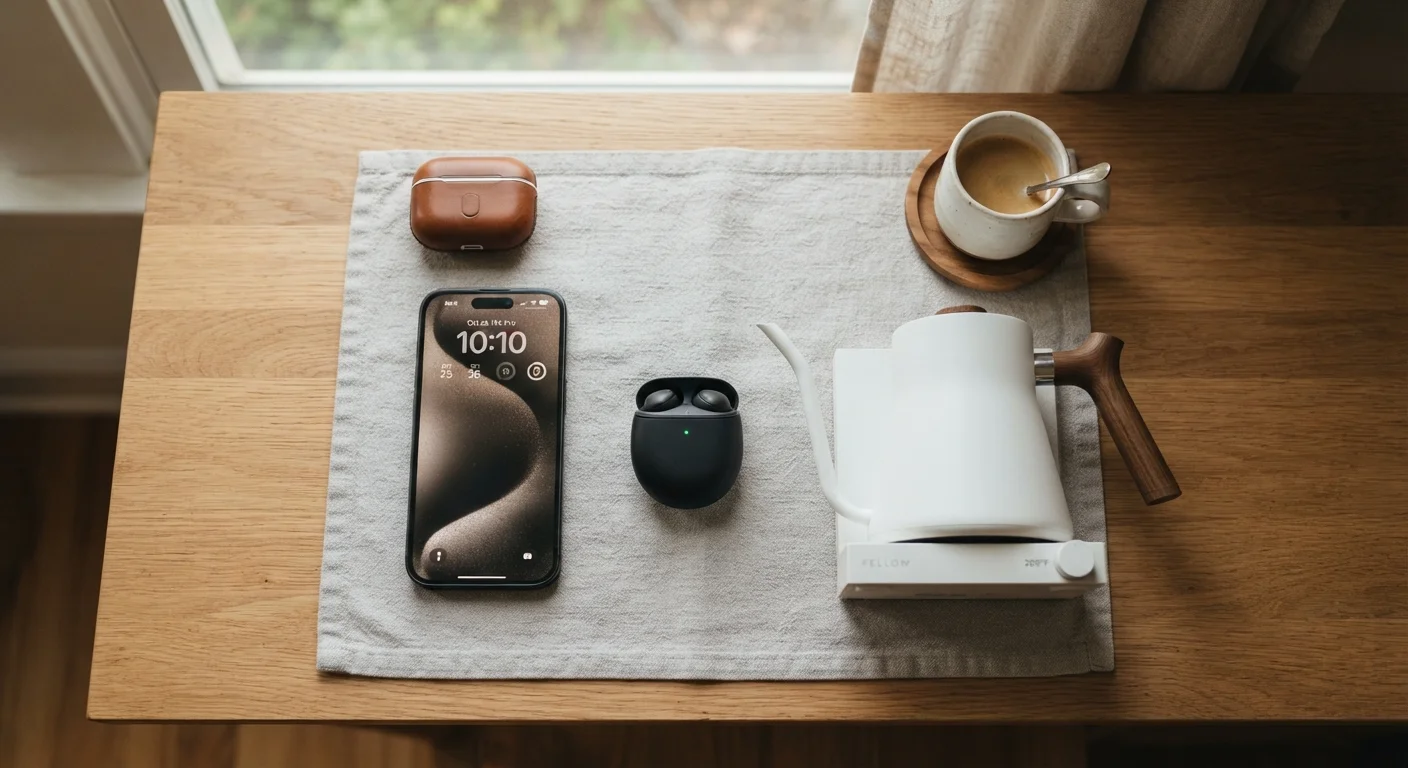
Photo: InfoAlly.net | Finding Info Made Easy editorial

Most devices fail early due to avoidable habits. Practical, evidence-based steps to keep phones, earbuds, and small appliances working longer.

Key Takeaways

  • Heat is the single biggest enemy of batteries, screens, and internal components in most consumer devices.
  • Keeping software updated protects both security and hardware efficiency, extending useful device life.
  • Proper charging habits — avoiding full discharge and extreme heat while charging — significantly preserve battery health.
  • Physical protection like cases and port covers prevents the most common causes of premature device failure.
  • Periodic cleaning of vents, ports, and surfaces prevents long-term damage from dust and debris buildup.

Why Devices Die Before They Should

Most consumer gadgets — phones, earbuds, small appliances — don't fail because they're poorly built. They fail because of avoidable everyday habits: leaving a phone in a hot car, never cleaning earbud mesh, or charging a device to 100% every single night without thought. Understanding the real causes of early device failure is the first step toward preventing them.

Heat, moisture, physical impact, and poor charging behavior account for the vast majority of premature failures. The good news is that each of these is largely within your control. This guide focuses on practical steps you can take with gadgets you already own — no new purchases required. For a broader look at how these devices fit into your daily life, see our complete overview of phones and wearables.

Proven Practices for Making Gadgets Last

The following habits apply across most consumer devices — from smartphones to wireless earbuds to countertop appliances. Applying even a few of them consistently can meaningfully extend the working life of what you already own.

1

Keep devices away from heat sources and direct sunlight.

Elevated temperatures accelerate battery degradation and can warp internal components in phones, earbuds, and small appliances. Even brief, repeated exposure — like leaving a phone on a sunny dashboard — compounds over time.
Example: Store your phone face-down or in a bag rather than on a sun-exposed car seat, and never charge devices on beds or upholstered surfaces that trap heat.
2

Charge devices within a moderate range rather than always to full or near-zero.

Lithium-ion batteries — used in nearly all modern consumer gadgets — experience the least stress when kept roughly between 20% and 80% charge. Regularly draining to zero or holding at 100% for extended periods shortens total battery lifespan.
Example: Plug in your phone when it hits around 20% and unplug it before you go to sleep if it's already above 80%, rather than leaving it charging overnight every night.
3

Install software and firmware updates promptly.

Updates often include optimizations that improve power efficiency, reduce background processing load, and fix bugs that cause hardware to work harder than necessary. Skipping updates can leave devices running inefficiently for months.
Example: Enable automatic updates on your phone so security patches and efficiency improvements install without requiring you to remember.
4

Clean ports, vents, and mesh surfaces regularly.

Dust and debris in charging ports cause poor connections and eventual port failure. Blocked vents on appliances cause motors to overheat. Clogged earbud mesh degrades sound quality and can damage drivers over time.
Example: Use a dry, soft brush to clear earbud mesh weekly, and gently remove lint from phone charging ports every month using a wooden toothpick — never metal tools.
5

Use protective cases and screen covers on portable devices.

Physical damage from drops is one of the leading causes of device failure, and cracked screens or bent frames often expose internal components to moisture and dust. A basic case dramatically reduces impact force.
Example: A slim silicone case on a smartphone absorbs corner-drop impact that would otherwise crack the screen or damage the camera module.
6

Avoid exposing devices to moisture beyond their stated rating.

Many devices carry a water-resistance rating, but these ratings degrade over time as seals age — a two-year-old phone may be far less resistant than when it was new. Treating all devices as moisture-sensitive is a safer default.
Example: Keep phones and earbuds out of steamy bathrooms and away from poolside splashing, even if the manufacturer originally listed a water-resistance rating.

Battery care deserves special attention. Our guide on smartphone battery myths separates fact from fiction on charging habits specifically.

Start Today: Quick Actions That Pay Off Fast

You don't need to overhaul every habit at once. Even one or two of these actions, done today, can slow the wear on your devices immediately.

medium Check your phone's battery health setting right now and note the current percentage — this gives you a baseline to track over time.
medium Wipe down your earbuds and their charging case with a dry microfiber cloth to remove skin oils and debris that degrade materials.
high Move any device chargers away from carpeted floors or enclosed spaces where heat accumulates during charging.
high Check for pending software updates on your phone or tablet and install any that are waiting.

If you're also thinking about whether a device is worth repairing or replacing, our article on questions to ask before buying offers a useful framework. And since extending gadget life is ultimately a money-saving strategy, the broader principles align well with building lasting savings habits.

Device Lifespan Varies by Category

Smartphones typically see meaningful performance decline after three to five years, while small appliances with motors or heating elements can last a decade or more with basic care. Wearables like smartwatches tend to fall somewhere in between — our article on habits that shorten smartwatch lifespan covers wearable-specific care in detail. Adjusting your expectations by device type helps you focus care efforts where they matter most.

Tech & Gadgets Editorial Team

InfoAlly.net | Finding Info Made Easy

Tech & Gadgets Editorial Team is the collective byline for our editorial team and contributor network. Articles published under this byline or an editorial pen name are researched, written, and reviewed according to our editorial standards for clarity, consistency, and independence before publication.

Everyday GadgetsSmart Home TechPhones & Wearables
View author profile

The content on this site is for informational purposes only and is not a substitute for professional advice. Always consult a qualified professional for guidance specific to your situation.