
Smartphone Battery Myths That Are Quietly Draining Your Device

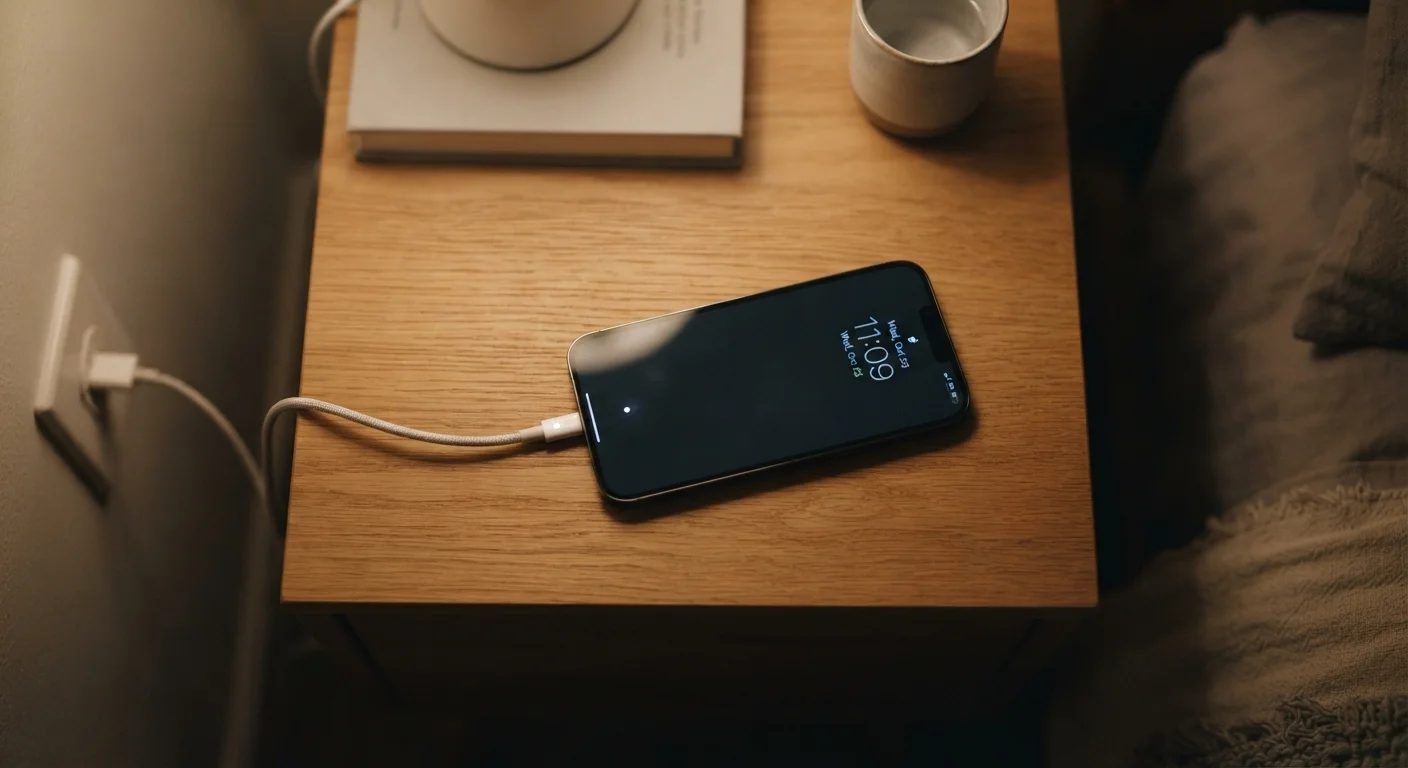
Photo: InfoAlly.net | Finding Info Made Easy editorial
Key Takeaways
- Modern lithium-ion batteries do not need to be fully discharged before recharging.
- Overnight charging is generally safe on current smartphones with built-in charge management.
- Keeping your battery between 20% and 80% can help extend its long-term health.
- Heat - not charging habits - is one of the most damaging factors for battery longevity.
- Third-party chargers are not inherently dangerous, but certified ones reduce risk.
Why Battery Myths Are So Persistent
Battery advice passed around in group chats and comment sections often dates back to an earlier era of consumer electronics. Nickel-cadmium and nickel-metal hydride batteries - common in phones and laptops through the 1990s - genuinely did suffer from a "memory effect" that required full discharge cycles to maintain capacity. Today's smartphones use lithium-ion (Li-ion) or lithium-polymer cells, which operate on entirely different chemistry and behave almost opposite to those older technologies.
The problem is that advice spread fast and stuck around long after the hardware changed. Understanding what's actually true about your phone's battery helps you make small, practical adjustments that genuinely extend its lifespan - without obsessing over every charging session.
Myth
You should always drain your phone to 0% before charging it again.
Fact
Fully discharging a lithium-ion battery regularly puts unnecessary stress on the cells and can shorten battery life.
This advice made sense for older nickel-cadmium batteries that developed a "memory effect," causing them to lose capacity if not fully discharged. Lithium-ion batteries have no such memory effect. In fact, deep discharges - regularly running the battery to 0% - increase wear on the cells. Most battery engineers recommend partial top-ups and avoiding sustained low charge levels.
Myth
Leaving your phone plugged in overnight will overcharge and ruin the battery.
Fact
Current smartphones have built-in charge controllers that stop drawing power once the battery reaches 100%.
Modern phones manage their own charging electronically. Once full, the device switches to trickle charging or simply draws power directly from the cable rather than cycling through the battery. Some phones even include "optimized charging" features that learn your schedule and slow the final charging phase to reduce time spent at 100% - a genuinely useful feature, though not a strict requirement for battery health.
Myth
Using your phone while it charges damages the battery.
Fact
Normal use during charging is safe, though heavy use that generates significant heat is worth monitoring.
Casual use - browsing, messaging, streaming - while plugged in is not harmful. The concern arises when intensive tasks like gaming or video rendering cause the phone to heat up significantly during charging. In those cases, the combination of charging heat and processing heat can stress the battery. For everyday tasks, there's no meaningful risk.
Myth
Third-party chargers will always damage your battery.
Fact
Certified third-party chargers from reputable manufacturers are generally safe; the risk lies in uncertified, very cheap options.
Chargers certified by recognized bodies (such as UL in the US) and rated for your device's wattage are designed to meet safety standards. The genuine concern is with extremely cheap, uncertified chargers that may lack proper voltage regulation - those can cause inconsistent charging and, in rare cases, hardware damage. Checking for certification marks before purchasing a third-party charger is a reasonable precaution.
Myth
Keeping your battery at 100% at all times is ideal.
Fact
Sustained time at 100% charge creates minor but cumulative stress on lithium-ion cells.
Li-ion batteries are chemically most stable in a mid-range charge state. Spending extended periods fully charged - particularly when the device is also warm - contributes to gradual capacity loss over months and years. Many device manufacturers now build in battery health features that cap charging at 80% or delay reaching 100% until just before your typical wake time. These are evidence-based features worth enabling if your phone offers them.
What Actually Damages Your Battery
The biggest real-world threat to battery longevity isn't how you charge - it's heat. Sustained exposure to high temperatures accelerates the chemical degradation inside Li-ion cells. Leaving your phone on a car dashboard in summer, or using it extensively while it's sitting on a thick blanket, creates conditions that shorten battery lifespan measurably over time.
Heat Is the Hidden Battery Killer
Charge cycles also matter more than many people realize. A charge cycle is roughly one full 0-100% equivalent of use - but partial charges don't cost you a full cycle. Keeping your phone in the middle range rather than bouncing between extremes reduces the mechanical stress on battery cells. For more on how everyday gadget habits quietly cause damage, see practical steps to extend gadget lifespan.
Software also plays a role: background app refresh, location services running constantly, and high screen brightness all draw power continuously and generate heat. Managing those settings protects both your battery and your daily charge. And if you're managing a smartwatch alongside your phone, the same principles apply - habits that shorten smartwatch battery life are worth reviewing too.
~500
Typical full charge cycles before noticeable capacity loss
Lithium-ion batteries in consumer devices commonly retain around 80% of original capacity after approximately 500 full charge cycles, according to general industry guidance from battery manufacturers.
20-80%
Recommended charge range for long-term battery health
Battery researchers and device manufacturers broadly recommend keeping Li-ion batteries within this window to reduce electrochemical stress and extend usable lifespan.
If you regularly run out of charge mid-day, the issue is often usage patterns rather than a failing battery. A portable power bank can bridge that gap practically without forcing you to change your charging routine entirely.
The content on this site is for informational purposes only and is not a substitute for professional advice. Always consult a qualified professional for guidance specific to your situation.