
Car Financing Pitfalls That Are Surprisingly Easy to Fall Into

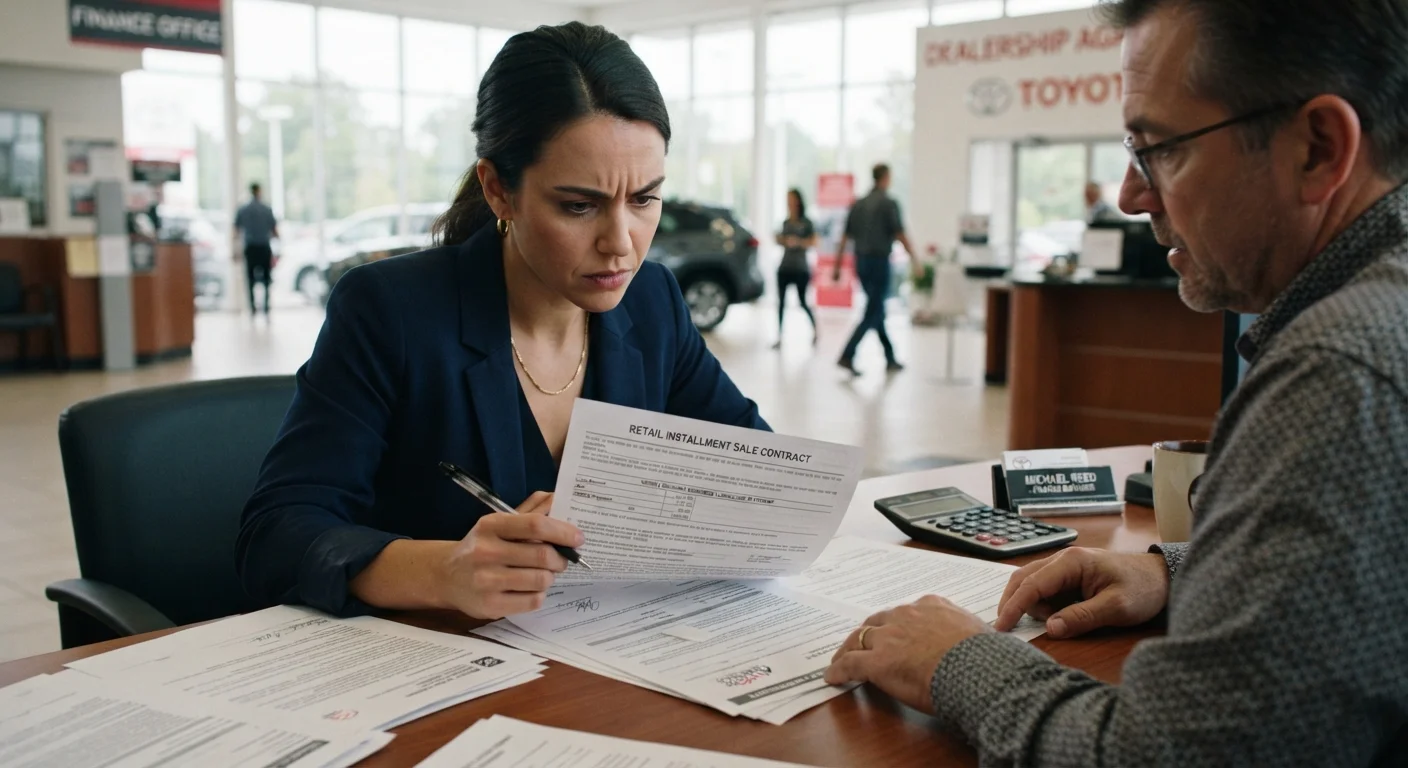
Photo: InfoAlly.net | Finding Info Made Easy editorial
Key Takeaways
- Focusing only on monthly payments instead of total loan cost is one of the most common financing mistakes.
- Skipping pre-approval from a bank or credit union often means accepting less favorable dealer terms.
- Add-ons bundled into a financing deal can quietly inflate the total amount you repay.
- Loan term length has a major impact on how much interest you'll pay overall.
- Understanding your credit profile before applying gives you stronger negotiating ground.
Why Car Financing Trips Up So Many Buyers
Buying a vehicle is one of the largest financial commitments most households make, yet many buyers spend more time researching trim levels than loan terms. The financing process moves quickly at the dealership, paperwork is dense, and salespeople are trained to keep the conversation focused on monthly payments rather than the full picture.
That environment makes it surprisingly easy to leave the lot having agreed to terms that cost far more than necessary. The mistakes below aren't signs of carelessness - they're natural responses to a high-pressure, information-heavy process. Knowing where these traps appear is the first step to avoiding them.
For a broader look at what ownership actually costs beyond the purchase, see car ownership costs that catch new drivers off guard.
Focusing on the monthly payment instead of the total loan cost.
Accepting dealer financing without comparing outside offers first.
Agreeing to add-ons bundled into the financing without fully reviewing them.
Not checking credit reports before applying for financing.
Choosing the longest loan term available without considering the interest cost.
Protecting Yourself Before You Sign
The most effective defense against financing pitfalls is preparation done before you walk into a dealership. Check your credit reports for errors, understand your approximate credit score range, and research current interest rate benchmarks from independent financial sources. This knowledge transforms you from a passive buyer into an informed negotiator.
~72 months
Average new-car loan term in the U.S.
Federal Reserve data has shown average new-vehicle loan terms extending beyond six years, meaning many buyers pay interest long after a vehicle's peak value has passed.
1 in 3
Consumers who find credit report errors
A Federal Trade Commission study found that roughly one in five consumers had an error on at least one credit report - errors that can affect the interest rate a lender offers.
Getting pre-approved for a loan through a bank or credit union is one of the most practical steps available to buyers. It establishes a baseline rate you can compare against dealer financing, and it removes urgency from the process. You're no longer dependent on one source of credit.
Once you have an offer in writing, read every line before signing. If an add-on product wasn't discussed or doesn't serve a clear need, it's reasonable to ask for it to be removed. Take time to understand how debt from an auto loan fits into your broader financial picture - resources on managing debt and credit and budgeting basics can help you evaluate your position honestly.
Don't Let Time Pressure Rush Your Review
Finally, remember that the sticker price is rarely the final cost. Taxes, fees, insurance, and maintenance all follow the purchase. Hidden costs that follow a big purchase is worth reviewing before you finalize any deal.
This article is for general informational purposes only and does not constitute financial or legal advice. Readers should consult a qualified financial professional before making borrowing decisions.
The content on this site is for informational purposes only and is not a substitute for professional advice. Always consult a qualified professional for guidance specific to your situation.