
The Hidden Costs That Follow a Big Purchase

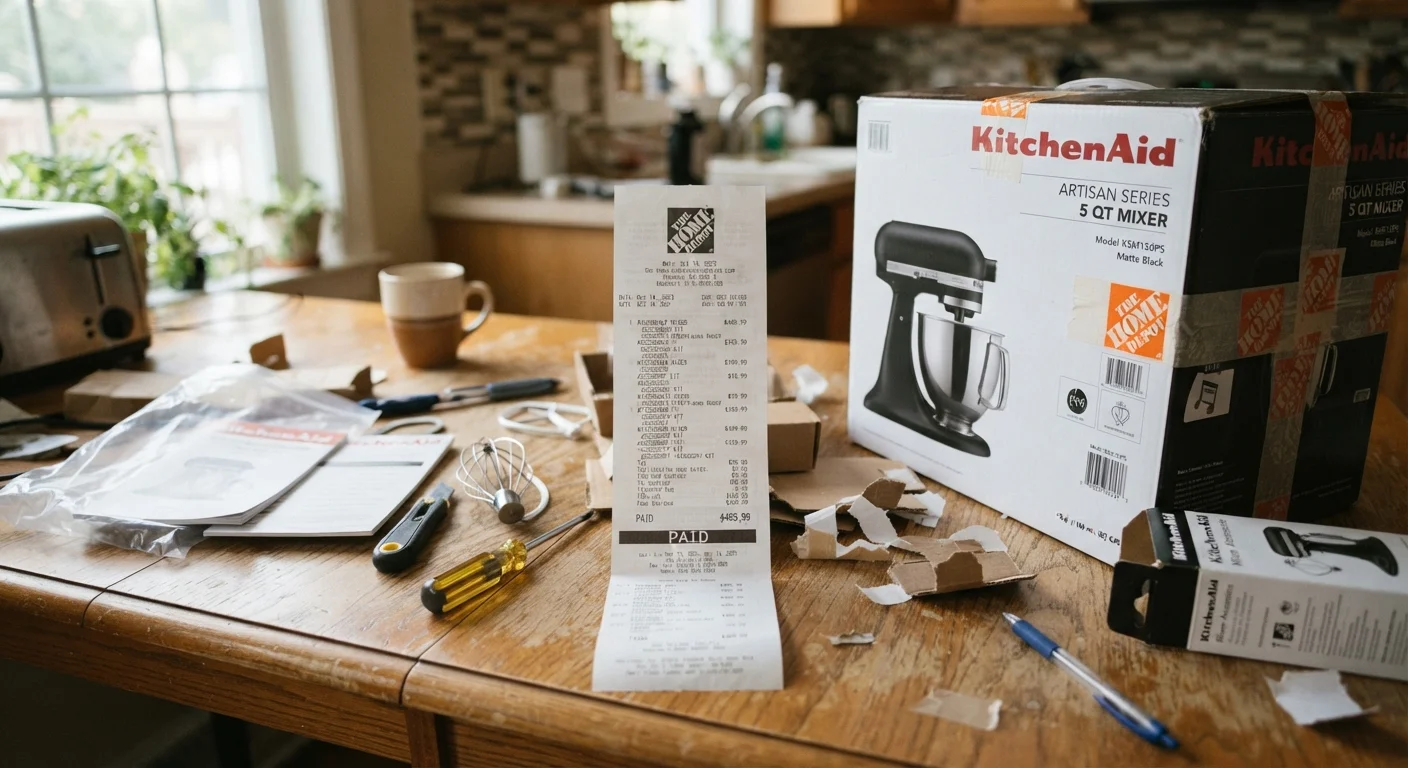
Photo: InfoAlly.net | Finding Info Made Easy editorial
Key Takeaways
- Installation, delivery, and setup fees can add hundreds of dollars to a major purchase's true cost.
- Consumables, accessories, and compatible parts often become recurring expenses after the initial buy.
- Running costs like energy use, insurance, and maintenance compound significantly over a product's lifespan.
- Financing charges can quietly inflate what you pay long after the item arrives home.
- Disposal and replacement costs are easy to overlook until they're impossible to ignore.
The Price Tag Is Just the Starting Line
Major purchases have a way of feeling complete at the moment you hand over payment - and then quietly expanding in every direction afterward. A new appliance needs installation. A vehicle needs insurance and fuel. A piece of furniture needs assembly hardware you didn't expect to buy. These downstream costs are not accidents; they're built into how products are sold, and most marketing focuses on the sticker price alone.
Before committing to any significant purchase, it pays to map out what ownership actually costs - not just what you hand over on day one. Our pre-purchase checklist can help you ask the right questions before signing anything. The list below covers the most common hidden cost categories worth budgeting for in advance.
Delivery, Installation, and Setup Fees
Many retailers advertise delivery as free or low-cost, but professional installation - particularly for appliances, home theater systems, HVAC equipment, or flooring - often carries a separate charge. In some cases, the retailer won't handle installation at all, meaning you'll need to source and pay a third-party contractor.
Ask specifically whether installation is included, what it covers, and whether the installer will haul away your old unit. Those line items can easily run $100-$400 or more depending on the product category and your location.
Installation charges can run into the hundreds and are rarely included in the advertised price.
Required Accessories and Compatible Consumables
Some products are designed to work only with proprietary accessories, cartridges, filters, or attachments - and those items come at a premium. Printers are a classic example, where the device itself may be affordable but replacement ink adds up quickly over time. The same logic applies to coffee machines requiring specific pods, air purifiers with filter subscriptions, or power tools that run on a particular battery platform.
Before buying, research what the product requires to function and what those ongoing supplies cost. This is especially relevant if switching brands later would mean replacing an entire accessory ecosystem.
Proprietary consumables can cost more over time than the device itself.
Energy and Utility Running Costs
Large appliances, HVAC systems, electric vehicles, and pool equipment all draw from your utility bill in meaningful ways. A refrigerator, washer, or water heater running for a decade will consume a significant amount of electricity - and energy-hungry older models can cost considerably more to operate than newer, efficient ones.
Look for the annual energy cost estimate on appliance labels (the yellow EnergyGuide label is required on many appliances sold in the US) to compare real operating costs, not just purchase prices. For EVs specifically, our guide on what the EV sticker price doesn't tell you covers charging costs in detail.
Annual operating costs can dwarf the purchase price over a product's lifespan.
Insurance, Registration, and Licensing
Vehicles, boats, trailers, and certain high-value items may require insurance before you can legally use them. Auto insurance premiums vary widely based on the vehicle type, your location, and your history - and they represent a recurring annual commitment on top of what you paid to buy the vehicle.
Some products also require registration fees or permits (certain trailers, watercraft, or specialty vehicles). Factoring these into your total cost of ownership gives a more honest picture. Our breakdown of transportation costs as a household budget category explores how quickly these add up across different household setups.
Insurance and registration are non-negotiable recurring costs that start on day one of ownership.
Routine Maintenance and Scheduled Servicing
Most products with mechanical or electronic components require periodic maintenance to stay under warranty and perform reliably. Vehicles need oil changes, tire rotations, brake inspections, and eventually larger-scale repairs. HVAC systems need annual tune-ups. Appliances may need filter replacements or professional cleaning over time.
These costs are predictable enough to plan for. Check the owner's manual for the manufacturer's recommended service schedule and estimate the annual maintenance cost as part of your ownership budget. Deferring maintenance to save money short-term usually leads to more expensive repairs later.
Deferred maintenance almost always costs more than the service it replaces.
Financing Interest and Deferred Payment Traps
Spreading a large purchase across monthly payments changes the math significantly. Depending on the interest rate, term length, and whether a promotional period applies, the total amount repaid can be meaningfully higher than the item's sticker price. Deferred-interest promotions - common at furniture and electronics retailers - can result in back-charged interest if the balance isn't paid in full before the promotional period ends.
Always calculate the total repayment amount, not just the monthly payment, before agreeing to financing terms. If you're weighing your options, our financing vs. paying cash guide walks through the trade-offs clearly.
The monthly payment figure tells you very little about what financing actually costs in total.
Disposal, Recycling, and End-of-Life Costs
When a major purchase reaches the end of its useful life, getting rid of it isn't always free. Large appliances, mattresses, electronics, and tires often carry disposal fees - either charged at purchase as part of a recycling program or paid at the time of disposal. Some municipalities offer free bulk pickup, but many don't. Certain electronics must be handled through certified e-waste programs.
This is easy to overlook entirely, but it's worth knowing before you buy - especially for categories like mattresses or large electronics where removal services are commonly charged. Building even a modest disposal estimate into your long-term ownership cost gives you a more accurate picture of what you're actually committing to.
Disposal and recycling fees are a real cost category that buyers routinely forget to budget for.
Build the Full Picture Before You Buy
Mapping out these costs before purchase - not after - puts you in a much stronger position. A simple spreadsheet with one-time and recurring columns is often enough to surface the real number. If financing is part of the equation, understanding interest and term length matters just as much as the item's price; see our financing vs. paying cash comparison for a clear breakdown of the trade-offs.
Create a Total Cost of Ownership Estimate
For larger purchases like vehicles, the downstream costs are especially significant. Our guides on car ownership costs and budgeting basics offer concrete frameworks for tracking what you're actually committing to over time. Knowing the full picture in advance doesn't take the joy out of a purchase - it protects it.
This article is for general informational and educational purposes only and does not constitute financial or legal advice. For decisions specific to your personal financial situation, consult a qualified financial professional.
The content on this site is for informational purposes only and is not a substitute for professional advice. Always consult a qualified professional for guidance specific to your situation.