
Financing vs. Paying Cash for a Large Item

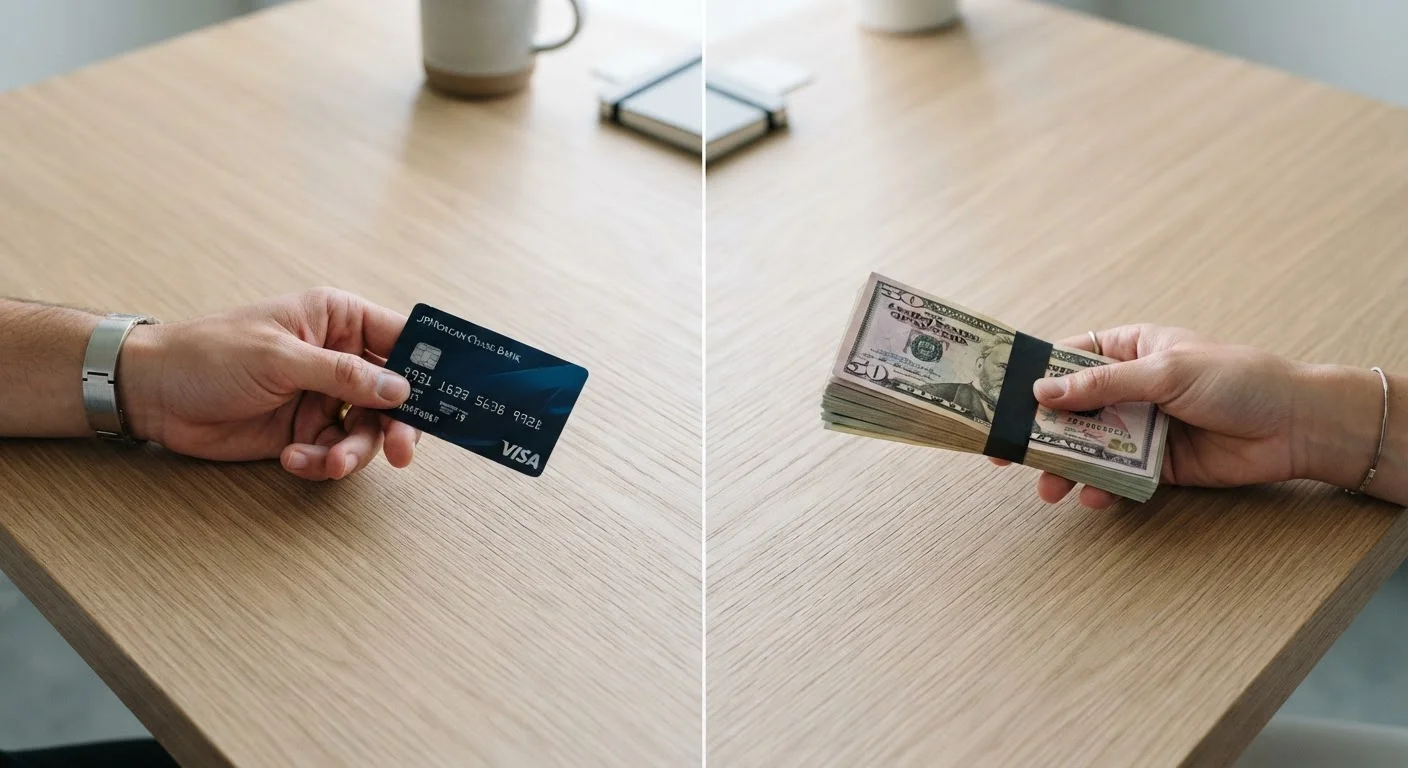
Photo: InfoAlly.net | Finding Info Made Easy editorial
Key Takeaways
- Financing adds interest costs that increase the true price of any large item over time.
- Paying cash eliminates debt obligations but reduces liquidity and available reserves.
- Your credit terms, emergency fund status, and opportunity cost all affect which path makes more sense.
- Neither approach is universally superior - context and personal financial health are decisive.
- Always read the full financing agreement before signing; terms vary widely and significantly.
What You're Actually Choosing Between
When you finance a large purchase - a car, appliance, furniture, or home improvement - you're borrowing money from a lender and agreeing to repay it, with interest, over time. The item is yours to use immediately, but the total cost you'll pay is higher than the sticker price once interest is factored in.
Paying cash means exchanging money you already have for the item outright. No lender, no ongoing payments, no interest. The purchase is complete the moment the transaction clears.
Both approaches are legitimate tools, and the right one depends on your financial situation - not on which sounds more disciplined. Understanding the difference between price and value is a useful starting point, because the sticker price rarely tells the full story of what a major item will actually cost you.
| Criterion | Financing | Paying Cash |
|---|---|---|
| Total cost paid | Purchase price plus interest and fees | Purchase price only |
| Immediate cash impact | Low - small or no down payment | High - full amount at once |
| Ongoing obligations | Monthly payments over loan term | None after transaction |
| Liquidity preserved | Yes - cash stays available | No - cash is spent |
| Credit score effect | May build credit if paid on time | No effect on credit history |
| Risk of over-borrowing | Yes - easy to exceed budget | Low - limited by savings on hand |
| Flexibility if circumstances change | Lower - fixed payment commitment | Higher - no ongoing obligation |
The Real Cost of Financing
The headline interest rate on a financing agreement is only one part of the picture. Origination fees, required insurance products, prepayment penalties, and deferred-interest promotions (which can trigger large retroactive charges) all affect what you ultimately pay. Before accepting any financing offer, it's worth calculating the total repayment amount - not just the monthly payment.
For example: financing a $5,000 item at 12% APR over 24 months results in total payments of roughly $5,640. Stretching the same balance to 48 months reduces the monthly payment but increases total interest paid. A longer term can feel manageable and yet cost significantly more over time.
~$640
Extra interest on a $5,000 item at 12% APR over 24 months
Illustrative calculation based on standard amortisation; actual amounts vary by lender, rate, and term.
3-6 months
Recommended emergency reserve before large cash outlays
A widely cited guideline from personal finance educators; individual needs vary based on income stability and expenses.
If you're considering borrowing, it helps to understand the different tools available. Credit cards, personal loans, and lines of credit each carry different structures, rate ranges, and repayment dynamics worth comparing before you commit to one.
The Real Cost of Paying Cash
Paying cash is straightforward, but it's not entirely without trade-offs. The most significant is liquidity risk: money spent is money unavailable for anything else. If an unexpected expense - medical, home, or otherwise - follows shortly after a large cash purchase, you may find yourself with limited options.
A second consideration is opportunity cost. Cash sitting in a high-yield savings account or invested productively isn't idle. If your financing rate is meaningfully lower than what your savings could earn, the math of paying cash becomes less clear-cut. That said, investment returns involve risk and are never guaranteed, which complicates direct comparisons.
The practical rule most financial educators suggest: don't pay cash for a large item if doing so would leave you without at least three to six months of living expenses in reserve. Hidden costs that follow a big purchase - installation, maintenance, accessories - also belong in your pre-purchase budget, whether you're financing or paying upfront.
Promotional 0% Financing: Read the Fine Print
Questions to Ask Before You Decide
A structured approach helps cut through the pressure of a salesroom or an expiring offer. Consider these before committing to either path:
- What is the total repayment amount, not just the monthly payment or APR?
- Will paying cash leave my emergency fund intact? If no, financing may be safer in the short term.
- Am I carrying other debt? Adding new financed obligations on top of existing balances increases total interest exposure.
- Is there a 0% promotional period - and what happens when it ends? Deferred-interest agreements can be costly if not paid in full before the promotional window closes.
- Does the purchase timeline allow me to save and pay cash instead? Waiting six months may be worth more than the convenience of having the item today.
A broader pre-purchase checklist is useful here - especially for high-cost items where the decision has lasting financial consequences. And if you're financing a vehicle specifically, car financing pitfalls deserve particular attention before you sign.
This article provides general financial information for educational purposes only. It is not personalised financial advice. Please consult a qualified financial adviser for guidance specific to your circumstances.
The content on this site is for informational purposes only and is not a substitute for professional advice. Always consult a qualified professional for guidance specific to your situation.