
Car Ownership Basics

Seasonal Car Preparation: What to Check Before Winter and Summer

Seasonal Car Preparation: What to Check Before Winter and Summer

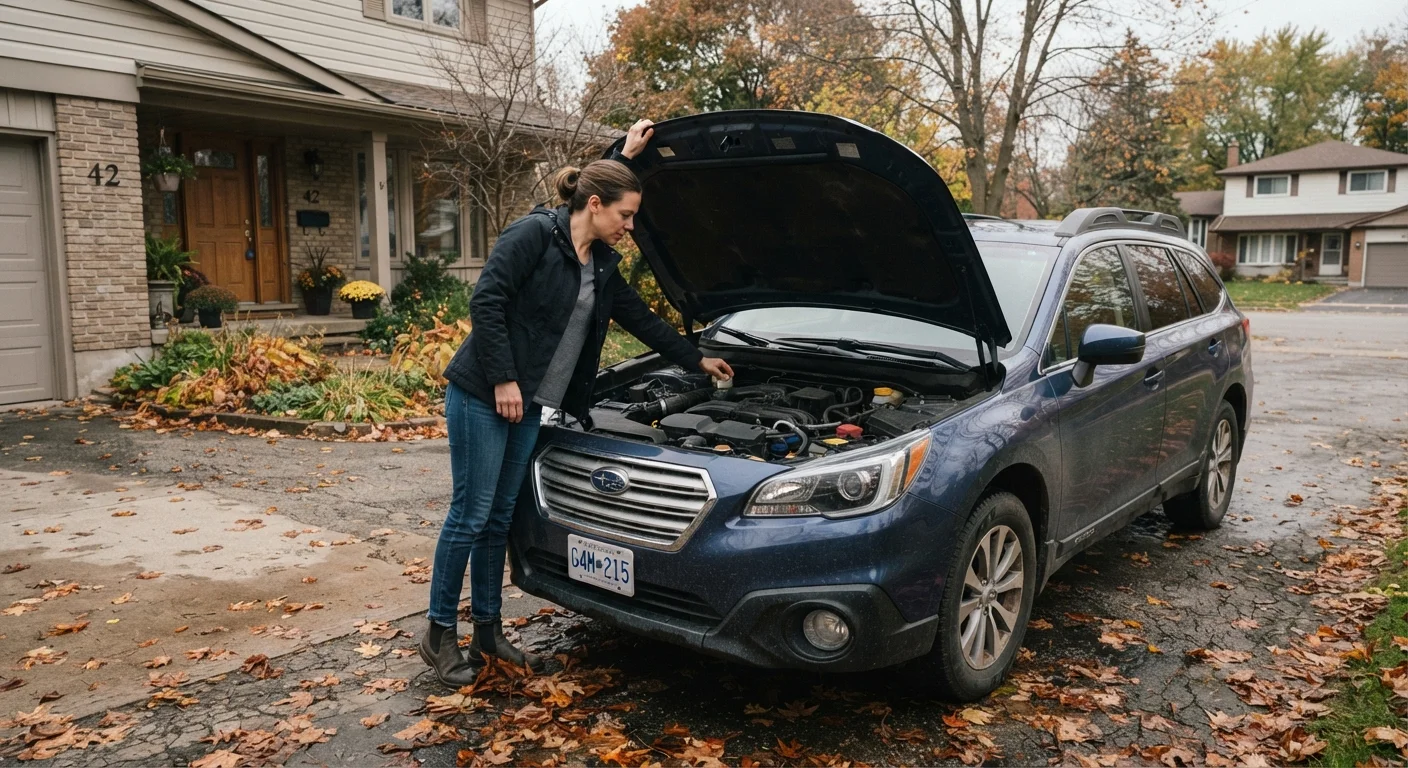
Photo: InfoAlly.net | Finding Info Made Easy editorial

Use this practical checklist to prepare your vehicle for seasonal changes — covering fluids, tyres, lights, and more before extreme weather arrives.

Key Takeaways

  • Tyres, fluids, and battery are the most critical systems to check before any seasonal change.
  • Winter and summer each create distinct mechanical stressors that require separate preparation steps.
  • Many seasonal checks can be done at home; others should involve a qualified mechanic.
  • Staying ahead of seasonal maintenance can reduce the risk of breakdowns and costly repairs.
  • A consistent pre-season routine builds safer driving habits year-round.

Why Seasonal Preparation Matters

Temperature swings between winter and summer put measurable stress on nearly every major vehicle system. Cold snaps thicken fluids, reduce battery output, and harden rubber components. Summer heat accelerates coolant evaporation, degrades tyre pressure stability, and strains air conditioning systems. Neither season forgives deferred maintenance.

Running through a structured checklist twice a year — once before temperatures drop and once before they climb — gives you a clear picture of what needs attention before you're caught off guard. Think of it the way you would any seasonal preparation: proactive is almost always less expensive than reactive. For the routine checks you should be running before every drive, see The Pre-Drive Routine That Takes Under Three Minutes.

Know Your Limits With DIY Inspections

Many checks in this list — such as fluid top-ups and tyre pressure — are straightforward for most drivers. However, brake inspection, cooling system work, and belt condition assessment involve safety-critical components where incorrect assessment can be dangerous. If you are not confident, have these items inspected by a qualified mechanic rather than guessing.

This checklist covers general guidance. Some tasks — such as brake inspection or coolant system work — involve safety-critical components and should be performed or verified by a qualified mechanic if you are not confident in your mechanical ability.

What to Check Before Winter

Winter preparation is about reliability and safety in low-traction, low-visibility conditions. Cold weather taxes your battery, affects tyre pressure, and can cause undiluted or old coolant to freeze. Work through the winter group of this checklist at least two weeks before temperatures consistently fall below freezing in your region — that gives you time to address anything that comes up.

Tyre condition deserves particular attention heading into winter. Tread depth and inflation pressure both affect stopping distance on wet or icy roads. For a detailed breakdown of how to measure these correctly, see Tyre Pressure, Tread Depth, and the Safety Checks Most Drivers Forget. If you drive in an area with heavy snowfall, also check whether winter tyres are appropriate for your commute.

Winter Preparation

Test your battery load capacity — cold temperatures can reduce battery output by up to 35%, so have a mechanic test it if it's more than three years old. Must
Check coolant (antifreeze) concentration using an inexpensive tester to ensure it's rated for the lowest expected temperatures in your region. Must
Inspect tyre tread depth and inflation pressure; cold air causes tyre pressure to drop roughly 1 PSI for every 10°F temperature fall. Must
Top up windshield washer fluid with a winter-rated formula rated to at least -20°F to prevent freezing in the reservoir and lines. Must
Test all exterior lights — shorter days mean more driving in darkness, so check headlights, brake lights, and turn signals. Must
Inspect windshield wipers and replace them with winter-rated blades designed to handle snow and ice without streaking. Should
Check brake pad thickness and rotor condition, since stopping distances increase significantly on wet or icy roads. Must
Confirm your emergency kit includes an ice scraper, jumper cables, a small shovel, and a reflective warning triangle. Should
Evaluate whether winter tyres are appropriate for your region — all-season tyres have meaningful performance limitations below approximately 45°F. Nice to have

Summer Preparation

Inspect the cooling system hoses and clamps for cracking, swelling, or softness — heat degrades rubber faster, and a burst hose can cause rapid engine overheating. Must
Check coolant level and condition; flush and replace if the fluid is discoloured or if it's been longer than the manufacturer's recommended interval. Must
Verify tyre inflation pressure using a calibrated gauge — heat causes pressure to rise, and overinflated tyres reduce traction and increase blowout risk. Must
Have the air conditioning system inspected if it isn't cooling effectively — a refrigerant recharge or compressor issue is best caught before peak heat. Should
Check engine oil level and condition; heat thins oil faster and increases consumption, so top up or change it if it's due. Must
Inspect drive belts (serpentine and timing belts where applicable) for cracking, fraying, or glazing, as heat accelerates belt degradation. Should
Test the battery again — extreme heat actually degrades battery capacity more than cold does over the long term, particularly in warm-climate states. Should
Check wiper blades for UV cracking or streaking after winter use; replace them if they leave gaps or smears on a wet windshield. Should
Pack a summer emergency kit update: add a collapsible sun shade, extra water, and a portable phone charger for long-distance warm-weather travel. Nice to have

Year-Round Items to Verify Each Season

Confirm your vehicle registration, insurance documents, and roadside assistance contacts are current and stored in the vehicle. Must
Check brake fluid level and colour in the reservoir — dark or murky fluid may indicate it has absorbed moisture and should be evaluated by a mechanic. Should
Inspect wiper fluid, power steering fluid, and transmission fluid levels against manufacturer guidelines to catch low levels before they cause wear. Should
Walk around the vehicle to check for any visible damage, leaks, or uneven tyre wear that may indicate alignment or suspension issues. Should

What to Check Before Summer

Summer stressors are different but equally consequential. High ambient temperatures put cooling systems under sustained load, degrade rubber hoses and belts faster, and cause tyre pressure to fluctuate more than drivers expect — tyres gain roughly 1 PSI for every 10°F increase in temperature. Air conditioning is also a comfort and safety issue: a failing A/C system in extreme heat can affect driver alertness.

Summer is also the season when long road trips are most common, which means a vehicle issue that might be minor in routine city driving can become a serious breakdown far from help. Pair this checklist with an awareness of how rain and wet roads change your vehicle's handling — wet-weather risks don't disappear in summer. Wet Roads, Hidden Risks: How Rain Changes Vehicle Handling is a useful complement to your summer prep.

Don't Ignore Warning Lights Before a Season Change

If your check engine light, battery warning, or temperature gauge warning is illuminated, address it before completing this seasonal checklist — not after. Warning lights indicate conditions that may worsen significantly under seasonal stress. A professional diagnostic scan is the appropriate first step, not a visual inspection alone.

This article is for general informational purposes only. Always consult a qualified mechanic for safety-critical repairs or if you are uncertain about any vehicle inspection task.

Autos & Mobility Editorial Team

InfoAlly.net | Finding Info Made Easy

Autos & Mobility Editorial Team is the collective byline for our editorial team and contributor network. Articles published under this byline or an editorial pen name are researched, written, and reviewed according to our editorial standards for clarity, consistency, and independence before publication.

Car Ownership BasicsModern Mobility TrendsSafe & Smart Driving
View author profile

The content on this site is for informational purposes only and is not a substitute for professional advice. Always consult a qualified professional for guidance specific to your situation.