
Modern Mobility Trends

EV Charging at Home: What New Owners Often Get Wrong Before They Install

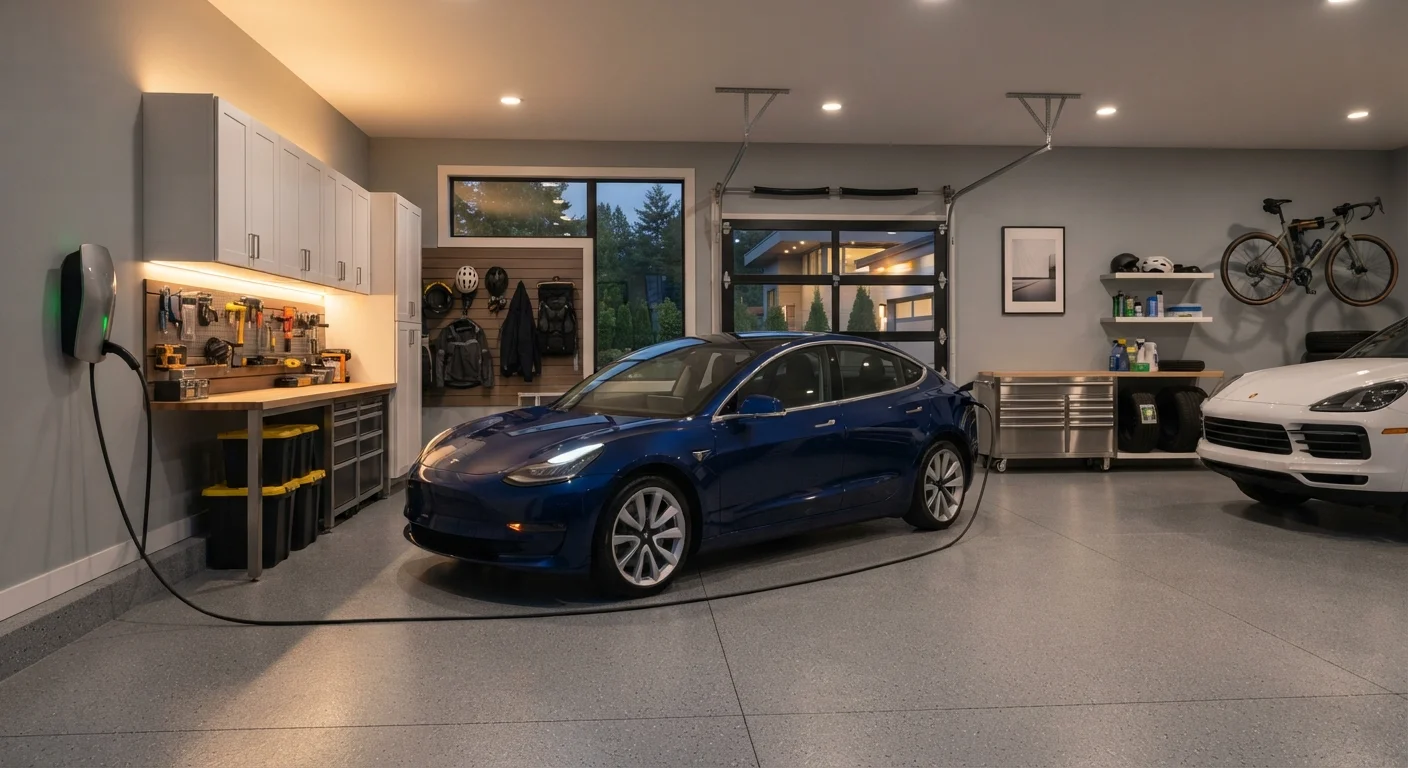
EV Charging at Home: What New Owners Often Get Wrong Before They Install

Photo: InfoAlly.net | Finding Info Made Easy editorial

Many first-time EV owners discover surprises after buying. Here's what to understand about home charging before making the switch.

Key Takeaways

  • Most homes need an electrical panel upgrade before installing a Level 2 home charger.
  • A standard 120V outlet charges most EVs too slowly for practical daily use.
  • Permit requirements and HOA rules can significantly delay or limit charger installation.
  • Understanding your daily mileage helps you size the right charging equipment from the start.

Why Home Charging Catches New EV Owners Off Guard

Buying an electric vehicle is an exciting transition — but many new owners are surprised to discover that plugging in at home isn't as simple as it first sounds. Unlike fueling a gas car, home EV charging involves your home's electrical infrastructure, local permitting rules, and real planning before a single cord is connected.

The good news: most of these challenges are entirely solvable. The key is knowing about them before you commit. For a broader look at how EV adoption is reshaping everyday driving habits, see our overview of the American EV landscape.

1

Assuming a standard wall outlet is sufficient for daily charging.

Why it happens: EVs ship with a Level 1 cord that plugs into a 120V outlet, so new owners assume that's the intended solution. In practice, Level 1 adds only 3–5 miles of range per hour — far too slow for most drivers.
How to avoid: Budget for a Level 2 charger (240V) during or before purchase. A licensed electrician can assess whether your garage already has a 240V circuit or whether one needs to be added, which is a straightforward job in most homes.
2

Not checking the home's electrical panel capacity before scheduling installation.

Why it happens: Many homeowners don't know their panel's amperage rating or how much headroom it has. Older homes with 100-amp panels may not have capacity for a 50-amp EV circuit alongside existing loads.
How to avoid: Request an electrical panel assessment before committing to a charger. If an upgrade is needed, factor that cost — which can range considerably depending on your home and location — into your overall EV budget.
3

Skipping the permit process for charger installation.

Why it happens: Homeowners often view a charger as a simple appliance installation and don't realize that a new 240V circuit typically requires a permit under local building codes.
How to avoid: Ask your electrician to pull the appropriate permits before work begins. Unpermitted electrical work can create insurance complications and cause problems when selling your home.
4

Overlooking HOA rules or rental property restrictions.

Why it happens: Condominium and HOA residents sometimes discover after purchase that charger installation requires board approval, or that shared parking lots have no infrastructure for individual charging.
How to avoid: Review your HOA bylaws or lease agreement before buying. Many states have passed EV charging rights laws that limit HOA restrictions, but the specifics vary — check your local regulations or consult a legal professional if needed.
5

Buying a charger without verifying connector compatibility.

Why it happens: The North American EV charging landscape has been shifting, with multiple connector standards in use. Buyers sometimes purchase equipment that doesn't match their vehicle's port without checking first.
How to avoid: Confirm your vehicle's charge port type before purchasing any home charging hardware. Your vehicle's owner manual or manufacturer's website will specify compatible connector types and charging speeds.
6

Underestimating installation lead times.

Why it happens: Electricians experienced with EV installations can have long wait lists, especially in high-adoption markets. New owners expect to charge at home immediately after delivery.
How to avoid: Begin the electrician search and permitting process at least four to six weeks before your anticipated delivery date. Some EV manufacturers and dealerships can recommend qualified installers, though you're free to choose your own.

Electrical and Installation Realities

The physical side of home charging involves more variables than most buyers anticipate. Charger installation costs, panel capacity, and local code compliance all interact — and surprises in any one area can push timelines or budgets beyond initial expectations.

~80%

EV charging done at home

The U.S. Department of Energy has reported that roughly 80% of EV charging in the United States occurs at home, underscoring why home setup matters so much.

3–5 mph

Range added per hour on Level 1

A standard 120V outlet delivers only 3–5 miles of range per charging hour — meaning a depleted 250-mile battery could take over two days to fully replenish.

$1,000–$2,500+

Typical Level 2 installation cost

Home Level 2 charger installation costs vary widely based on panel capacity, conduit distance, and local labor rates, according to industry estimates.

Before purchasing, it's worth having a licensed electrician assess your panel and discuss conduit routing. This single step can prevent the most common and costly installation surprises. For a full pre-purchase readiness framework, our EV readiness checklist walks through home setup, driving patterns, and lifestyle factors worth considering in advance.

DIY Electrical Work Carries Real Risk

It can be tempting to self-install a 240V outlet to save money, but high-voltage electrical work that isn't done by a licensed electrician — and permitted properly — creates fire risk, may void your homeowner's insurance, and can result in code violations. Always use a qualified professional for EV charger installation.

EV ownership carries ongoing costs beyond the purchase price as well. Our guide on what the EV sticker price doesn't tell you covers charging, insurance, depreciation, and maintenance realities in detail. For broader vehicle ownership fundamentals, explore our Car Ownership Basics hub.

Autos & Mobility Editorial Team

InfoAlly.net | Finding Info Made Easy

Autos & Mobility Editorial Team is the collective byline for our editorial team and contributor network. Articles published under this byline or an editorial pen name are researched, written, and reviewed according to our editorial standards for clarity, consistency, and independence before publication.

Car Ownership BasicsModern Mobility TrendsSafe & Smart Driving
View author profile

The content on this site is for informational purposes only and is not a substitute for professional advice. Always consult a qualified professional for guidance specific to your situation.