
Everything the EV Sticker Price Doesn't Tell You

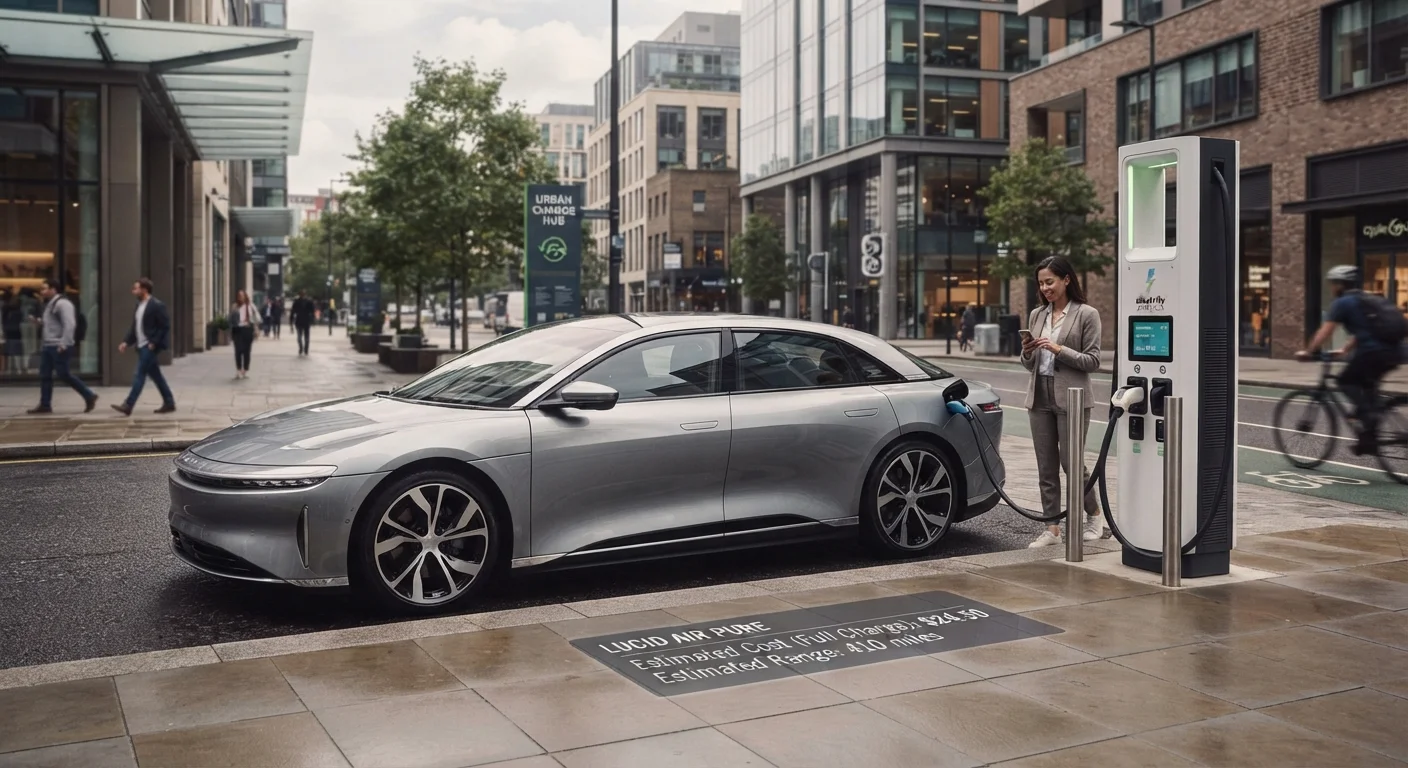
Photo: InfoAlly.net | Finding Info Made Easy editorial
Key Takeaways
- Charging infrastructure at home may require upfront electrical upgrades costing hundreds to thousands of dollars.
- EV insurance premiums are often higher than comparable gas vehicles due to repair complexity.
- Depreciation rates for EVs vary significantly by model and battery technology generation.
- Maintenance savings are real but partial - tires, brakes, and cabin filters still need attention.
- Federal tax credits have income and vehicle-price eligibility limits that reduce real-world savings for many buyers.
Why the Sticker Price Is Only the Beginning
Walking into a dealership or browsing an EV listing online, the price on the window - or the webpage - feels concrete. It's a number you can compare and budget against. But experienced automotive analysts and consumer advocates consistently flag that the sticker price captures only a fraction of what an electric vehicle will actually cost you over time.
This isn't unique to EVs. As our guide to hidden post-purchase costs explains, major purchases almost always carry ongoing expenses that dwarf the initial transaction. EVs are no different - and in some categories, the gap between sticker and true cost is wider than most buyers expect.
Understanding these costs before you sign is the foundation of a sound decision. This guide walks through the six most significant cost categories that the MSRP (Manufacturer's Suggested Retail Price) leaves out entirely.
$1,000-$2,000+
Typical home Level 2 charger installation cost
Costs vary by home electrical panel capacity and regional labor rates; some installations exceed this range.
~25% higher
Average EV insurance premium vs. comparable gas vehicle
Insurance industry data indicates EV premiums tend to run higher, driven by repair costs and parts availability.
Up to $7,500
Maximum federal EV tax credit (new vehicles)
Under current U.S. law, the credit amount depends on income, vehicle price, and manufacturing sourcing requirements.
Charging Costs: Home, Public, and Fast
Electricity is generally cheaper per mile than gasoline, but that math shifts depending on how and where you charge. Home charging on a standard 120-volt outlet (called Level 1) is the slowest option - adding roughly 3-5 miles of range per hour. Most EV owners upgrade to a Level 2 (240-volt) charger, which requires professional installation and potentially a panel upgrade. Installation costs vary widely by home and region, commonly ranging from a few hundred to over $2,000.
Public DC fast charging - the kind that adds meaningful range in 20-30 minutes - is convenient but priced at a premium. Depending on the network and your state, per-kWh rates at fast chargers can approach or exceed what you'd pay for gasoline on a per-mile basis. For drivers without reliable home charging access, this matters enormously.
Our in-depth look at home EV charging covers the decisions new owners often get wrong - from charger placement to utility rate plans - before they've even plugged in for the first time.
Ask Your Utility Before You Buy
Insurance: Why EVs Often Cost More to Cover
Insurance premiums for electric vehicles are, on average, higher than for comparable gasoline-powered cars. Several factors drive this. EVs typically carry higher replacement values, and their components - particularly battery packs and specialized electronics - are expensive to repair or replace after a collision. Fewer qualified repair facilities and a smaller supply of OEM (original equipment manufacturer) parts can also lengthen repair timelines and push up costs.
Insurers price risk based on claims data, and as EV-specific repair data matures, rates may shift. For now, buyers should request insurance quotes specific to the EV they're considering before purchase, not after. The difference between what you assumed and what you're actually quoted can be meaningful on a monthly budget.
Before you finalize an EV purchase, call your insurance provider and get a quote specific to that vehicle's VIN class - not a general EV estimate. The difference between models can be several hundred dollars annually.
Check whether your utility offers a time-of-use (TOU) electricity rate before setting your charging schedule. Charging during off-peak hours - typically overnight - can noticeably reduce your monthly electricity bill.
Depreciation and Resale Value
Depreciation - the loss of value over time - is one of the largest real costs of vehicle ownership, yet it rarely appears on any sticker. EVs present a complicated depreciation picture. Early adopter models from previous technology generations have sometimes depreciated steeply as newer, longer-range vehicles entered the market. Battery anxiety among used-car buyers has historically suppressed resale values for some models.
That said, depreciation varies considerably by brand positioning, battery capacity, and software update capability. Some EVs hold value competitively; others do not. Checking independent vehicle valuation data before committing - and considering whether a certified pre-owned EV might offer better value - is a step many first-time EV buyers skip.
“Depreciation is the silent cost most car buyers never calculate - and for EVs, where technology generations turn over quickly, it deserves especially careful attention before committing to a purchase.”
— Autos & Mobility Editorial Team, Editorial analysis based on automotive industry valuation data
Maintenance: Fewer Parts, but Not Zero Costs
EVs eliminate oil changes, spark plugs, timing belts, and many drivetrain components that require periodic service on gasoline vehicles. This is a genuine, documented cost advantage over time. However, EV ownership is not maintenance-free.
Tires on EVs often wear faster due to heavier vehicle weight and the immediate torque delivery that many drivers enjoy. Brake pads last longer thanks to regenerative braking, but they still require inspection. Cabin air filters, wiper blades, and coolant systems (used in battery thermal management) all need attention. Battery health monitoring is also worth tracking over the vehicle's life.
For a full picture of recurring vehicle expenses that apply regardless of powertrain, see car ownership costs that catch new drivers off guard.
Don't Assume Warranty Covers Everything
Tax Credits, Incentives, and Their Limits
Federal tax credits for new EVs exist under U.S. law and can meaningfully reduce out-of-pocket cost - but they come with eligibility conditions that disqualify a significant portion of buyers and vehicles. Income caps, vehicle MSRP limits, and requirements around where the battery and components were manufactured all affect whether a given buyer qualifies for the full credit, a partial credit, or no credit at all.
State-level incentives vary widely - some states offer additional rebates or tax credits; others offer nothing. Utility companies in some regions provide charging equipment rebates or reduced electricity rates for EV owners. None of these are automatic, and the rules change periodically as legislation evolves.
The practical takeaway: verify your specific eligibility with a qualified tax professional before counting on any incentive as part of your purchase math. General financial information about tax credits is not a substitute for advice tailored to your filing situation.
If you're weighing whether a full EV is the right move or a plug-in hybrid (PHEV) might suit your situation better, our PHEV vs. BEV comparison offers a grounded look at the trade-offs. And before finalizing any decision, the EV pre-purchase readiness checklist can help you confirm your home setup, driving patterns, and lifestyle are genuinely aligned with EV ownership.
This article is for general informational and educational purposes only. It does not constitute financial, tax, or legal advice. Consult a qualified professional for guidance specific to your circumstances.
The content on this site is for informational purposes only and is not a substitute for professional advice. Always consult a qualified professional for guidance specific to your situation.