
Range Anxiety and Other EV Myths That Deserve a Second Look

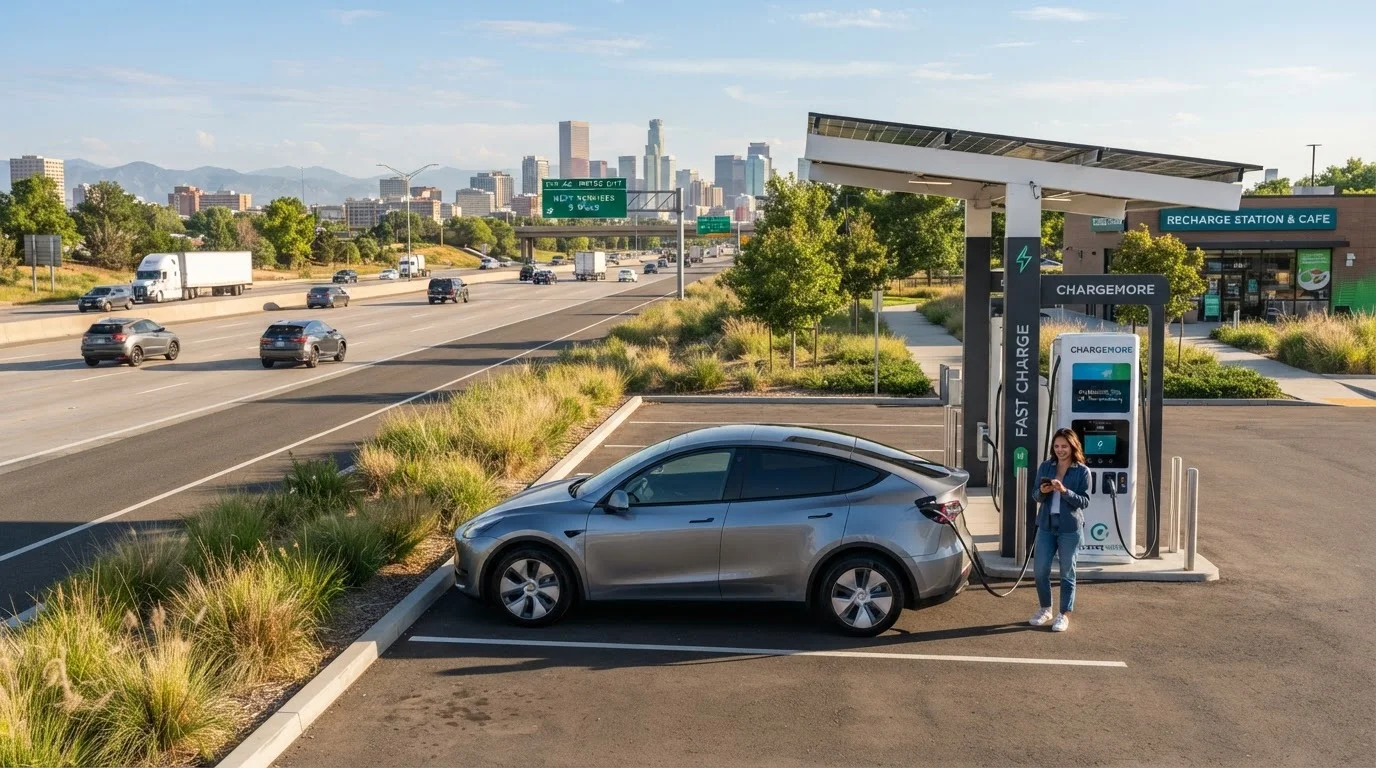
Photo: InfoAlly.net | Finding Info Made Easy editorial
Key Takeaways
- Most American drivers travel well within the daily range of current EVs.
- EV batteries are engineered to degrade slowly - typical real-world longevity often exceeds expectations.
- Public charging infrastructure has grown substantially, reducing the practicality gap for many drivers.
- EVs generally have lower lifetime maintenance costs than comparable gasoline vehicles.
- Cold weather does reduce range, but modern thermal management systems significantly limit the impact.
Why EV Myths Persist - and Why They Matter
Electric vehicles have graduated from niche curiosity to a mainstream option, yet many consumers still hesitate based on concerns that deserve closer examination. Some worries are grounded in real limitations that have since been addressed; others were never accurate to begin with. Understanding the difference matters - not just for individual purchase decisions, but for how Americans collectively navigate an evolving transportation landscape.
The myths below aren't strawmen. They show up consistently in consumer surveys and dealership conversations. Each one is worth examining on its actual merits. For a broader picture of how EVs are reshaping U.S. roads, see The American EV Landscape.
Myth
EVs can't go far enough for real-world driving - you'll constantly be stranded.
Fact
Most U.S. daily driving falls well within the range of current EVs, and stranding events are rare among typical users.
The U.S. Department of Transportation has consistently found that the average American drives roughly 37 miles per day. Many current EVs offer EPA-estimated ranges of 200-300+ miles per charge. For the vast majority of daily commuters and errand-runners, a full charge each night provides a substantial buffer. Long-distance road trips do require planning around fast-charging stops, but that is a fundamentally different concern than everyday stranding. Home charging setup plays a large role in making this seamless.
Myth
EV batteries degrade quickly and will need expensive replacement within a few years.
Fact
Real-world data indicates that EV battery packs typically retain the majority of their capacity for well over a decade under normal use.
Battery chemistry and thermal management systems have improved substantially. Data aggregated from large EV fleets suggests average battery capacity loss of roughly 2-3% per year under typical conditions - meaning a vehicle with a 250-mile range might retain 200+ miles of range after a decade. Many manufacturers also offer battery warranties covering eight years or 100,000 miles. Replacement costs, while significant, have also fallen as manufacturing scale has grown. Treating battery anxiety as a near-term financial certainty overstates what the evidence shows.
Myth
There aren't enough public chargers - you'll be stuck waiting or unable to find one.
Fact
The U.S. public charging network has grown substantially and continues to expand, though coverage remains uneven in some regions.
The U.S. Department of Energy has tracked rapid growth in public charging infrastructure, with tens of thousands of charging stations now operating nationwide. DC fast chargers - capable of adding significant range in 20-40 minutes - are increasingly common along major corridors. Coverage gaps do exist in rural areas and some regions, which is a genuine planning consideration. However, characterizing the network as broadly inadequate for EV ownership misrepresents the current state, particularly for drivers in metropolitan areas where the majority of EV owners live.
Myth
EVs are more expensive to own overall once you account for everything.
Fact
When total cost of ownership is considered - including fuel and maintenance - EVs often compare favorably to equivalent gasoline vehicles over time.
Electricity generally costs less per mile than gasoline, though the exact gap varies by local rates and driving patterns. On the maintenance side, EVs have fewer moving parts than internal combustion engines - no oil changes, no transmission fluid, no timing belts - which can translate to meaningfully lower service costs over time. Consumer Reports and similar organizations have found that EV owners, on average, report lower maintenance costs than gasoline-vehicle owners. Upfront purchase prices have historically been higher, though that gap varies considerably by vehicle class and any applicable incentives. Total cost comparisons should be done for your specific situation rather than assumed in either direction.
Myth
Cold weather makes EVs essentially unusable in winter climates.
Fact
Cold weather does reduce EV range - typically 10-30% in severe conditions - but modern EVs remain functional and practical in winter climates.
Lithium-ion batteries do perform less efficiently in cold temperatures, and running cabin heat draws from the same battery that powers the motor. Real-world range reductions in very cold conditions have been documented, with studies suggesting losses in the range of 10-30% in severe cold. However, most modern EVs include battery thermal management systems designed to mitigate this effect. Preconditioning - warming the cabin while still plugged in - further reduces the impact on range. Millions of EV owners in cold-climate states and countries drive year-round without treating winter as a barrier.
What the Evidence Actually Shows
Several themes emerge once the myths are examined directly. First, most EV concerns are magnitude problems - the issues are real but smaller than assumed. Cold weather does reduce range; it just rarely eliminates usable range for daily driving. Battery degradation does occur; it just happens more slowly than many fear.
Second, the EV experience depends heavily on use case. Drivers with predictable daily commutes, access to home or workplace charging, and moderate highway needs are very well served by today's technology. Those with long, unpredictable interstate travel patterns face a more legitimate trade-off worth thinking through - see Plug-In Hybrid vs. Full Electric for a grounded comparison.
37 miles
Average U.S. daily driving distance
According to the U.S. Department of Transportation, the average American drives approximately 37 miles per day - well within the range of most current EVs.
~2-3%
Typical annual EV battery capacity loss
Fleet data analyses have generally found that EV batteries lose roughly 2-3% of capacity per year under normal driving and charging conditions.
10-30%
Range reduction in severe cold weather
Studies examining cold-weather EV performance have documented range reductions in the 10-30% range under very cold conditions, depending on vehicle and temperature.
Third, the infrastructure picture, while uneven, is improving faster than many consumers realize. If you're evaluating whether your own home setup and driving habits are a good fit, a pre-purchase readiness checklist can help clarify the question before you commit.
It's also worth noting that EV skepticism and gasoline-vehicle mythology often travel together. Many of the same mental shortcuts that produce EV misconceptions also distort how drivers evaluate fuel economy - a dynamic explored in Fuel Economy Myths That Refuse to Die.
Don't Skip the Home Charging Question
None of this means EVs are the right choice for every driver right now. But the decision should be based on accurate information, not on fears that the evidence doesn't support.
The content on this site is for informational purposes only and is not a substitute for professional advice. Always consult a qualified professional for guidance specific to your situation.