
Macronutrients Explained: What Carbs, Proteins, and Fats Actually Do

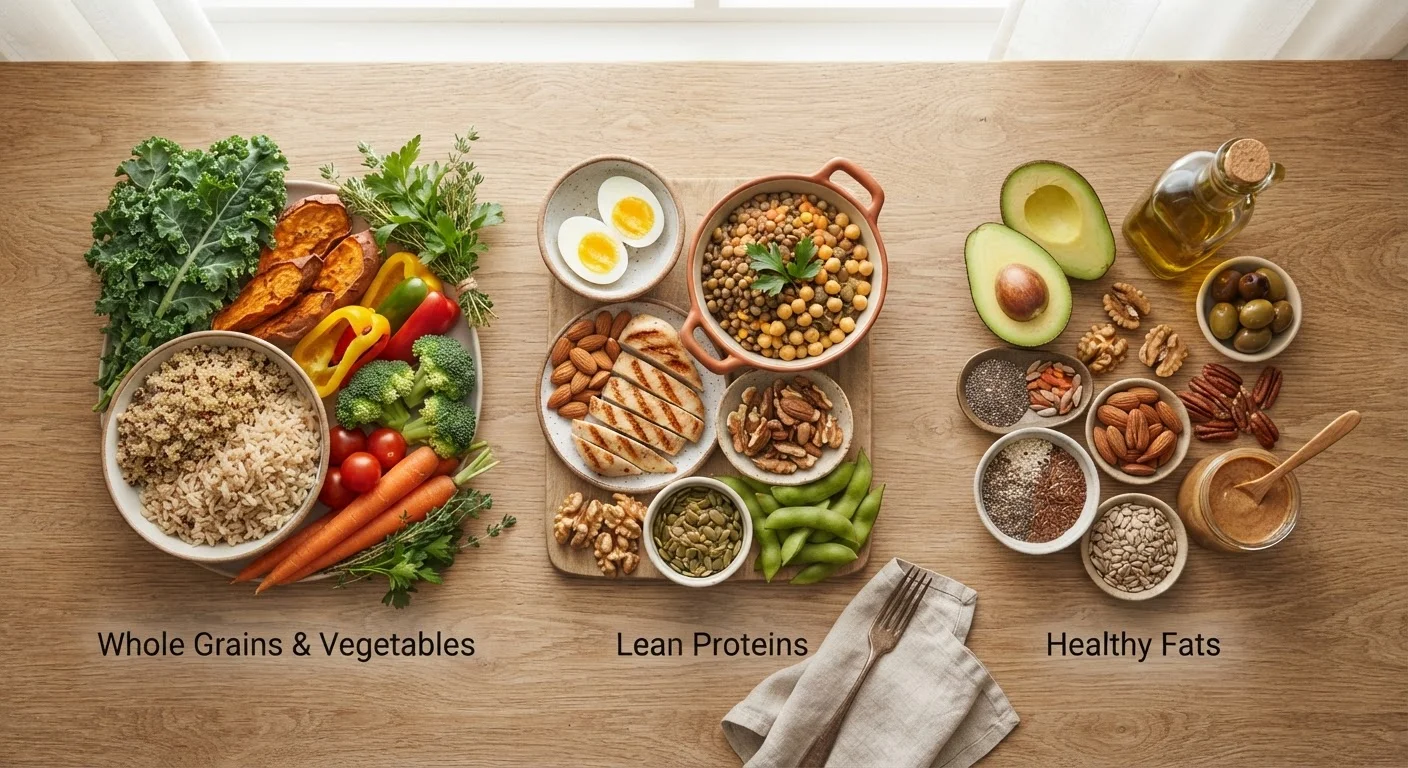
Photo: InfoAlly.net | Finding Info Made Easy editorial
Key Takeaways
- All three macronutrients - carbs, protein, and fat - are essential; no single one should be eliminated from a balanced diet.
- Carbohydrates are the body's preferred source of quick energy, especially for the brain and muscles.
- Protein supports tissue repair, immune function, and the production of enzymes and hormones.
- Dietary fats help absorb fat-soluble vitamins and support cell structure and hormone regulation.
- The quality of macronutrient sources matters as much as the quantity.
- Always consult a qualified healthcare or nutrition professional for personalized dietary guidance.
Why Macronutrients Matter
Every time you eat, you're delivering a mix of carbohydrates, proteins, and fats to your body - whether you think about it or not. These three macronutrients aren't just calorie sources; they each perform distinct, irreplaceable jobs. Understanding what they do gives you a clearer picture of nutrition without needing a degree in biochemistry.
Mainstream nutrition science consistently finds that balance and food quality matter more than eliminating any single macronutrient. For a closer look at common misconceptions, see our breakdown of nutrition myths.
Macronutrients vs. Micronutrients
Carbohydrates: Your Body's First Choice for Fuel
Carbohydrates are broken down into glucose, which powers your cells - especially your brain and working muscles. When you eat a piece of whole-grain bread or a bowl of oats, your body converts those complex carbs into usable energy more gradually than it would from a sugary snack, helping sustain focus and stamina.
Carbohydrates also come packaged with dietary fiber, which supports digestive health and helps regulate blood sugar. The key distinction is between whole, minimally processed sources - vegetables, legumes, whole grains, fruit - and refined sources that have been stripped of fiber and nutrients.
45-65%
Recommended daily calories from carbohydrates
According to the Dietary Guidelines for Americans, most adults should get roughly half their daily calories from carbohydrate sources.
10-35%
Recommended daily calories from protein
The Acceptable Macronutrient Distribution Range for protein, per the National Academies of Sciences, Engineering, and Medicine, spans this range for adults.
20-35%
Recommended daily calories from fat
The same National Academies guidelines suggest this range for total fat intake, with an emphasis on unsaturated fat sources.
Protein: Building, Repairing, and Running the Body
Protein is made up of amino acids, often called the body's building blocks. Your body uses them to repair muscle tissue, produce enzymes and hormones, support immune function, and transport oxygen in the blood. Unlike carbohydrates, the body has no large protein reserve, so consistent daily intake is important.
Animal sources - eggs, poultry, fish, dairy - provide all essential amino acids in one package. Plant sources like legumes, tofu, and quinoa can meet protein needs too, though thoughtful food pairing helps ensure complete amino acid coverage over the course of a day.
“Protein is more than a gym supplement - it's the raw material for thousands of biological processes, from fighting infections to regulating metabolism. Consistent, adequate intake across all eating patterns is a cornerstone of basic health.”
— Walter Willett, Professor of Epidemiology and Nutrition, Harvard T.H. Chan School of Public Health
Fats: Essential, Not the Enemy
Dietary fat has a complicated reputation, but it's physiologically necessary. Fats form the membrane of every cell in your body, help absorb fat-soluble vitamins (A, D, E, and K), insulate organs, and serve as raw material for many hormones. Fat also slows digestion, contributing to a feeling of fullness after meals.
Unsaturated fats - found in olive oil, avocados, nuts, and fatty fish - are associated with cardiovascular health in many large observational studies. Saturated fats, found predominantly in animal products and some tropical oils, are generally recommended in moderation by major health bodies. Artificial trans fats, largely phased out of the US food supply, are the type most consistently linked to harm.
Build Your Plate with All Three Macros
Putting It All Together at Every Meal
No single meal needs to be perfectly calibrated, but thinking about each macronutrient at the plate level can make healthy eating more intuitive. A meal that includes a fiber-rich carbohydrate, a quality protein source, and a small amount of healthy fat tends to be more satisfying and nutritionally complete than one that relies heavily on just one category.
Learning to read food labels is a practical next step - see our guide on interpreting nutrition labels accurately for help making sense of what's actually in packaged foods. And for more on what your body needs beyond macros, our overview of key vitamins and minerals covers the micronutrient side of the picture.
This article provides general nutrition information for educational purposes only and is not a substitute for personalized advice from a registered dietitian or qualified healthcare professional. If you have specific health concerns or dietary needs, please consult a professional.
Frequently Asked Questions
The content on this site is for informational purposes only and is not a substitute for professional advice. Always consult a qualified professional for guidance specific to your situation.