
Micronutrients at a Glance: Key Vitamins and Minerals and What They Support

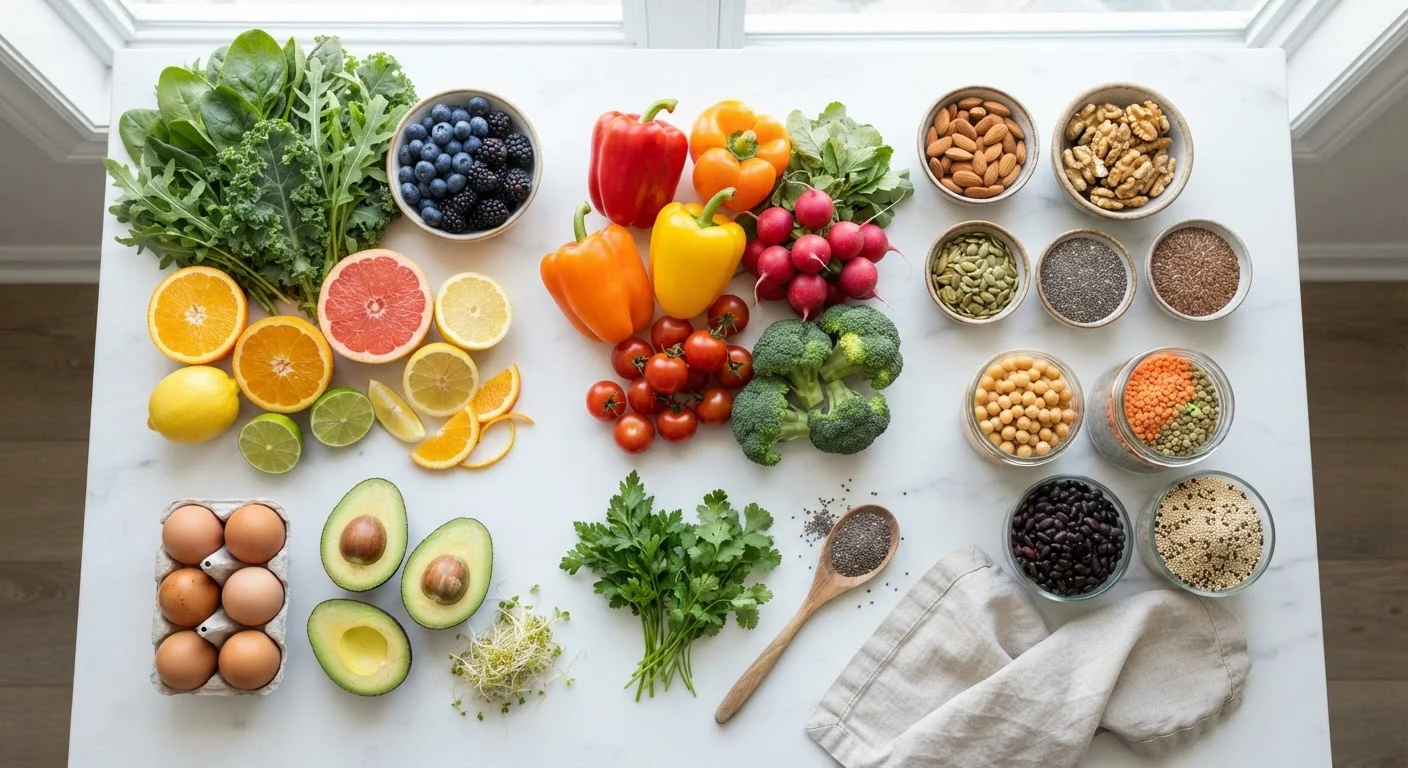
Photo: InfoAlly.net | Finding Info Made Easy editorial
What Are Micronutrients and Why Do They Matter?
Vitamins and minerals are collectively called micronutrients - nutrients your body needs in relatively small amounts but cannot function well without. Unlike macronutrients (carbohydrates, proteins, and fats), micronutrients provide no calories. Instead, they act as essential partners in almost every physiological process: converting food into energy, building and repairing tissue, regulating immunity, and maintaining fluid balance.
The human body cannot synthesize most vitamins and minerals on its own, which is why dietary variety matters so much. A gap in one nutrient can quietly affect systems that seem unrelated - for example, inadequate iron impairs oxygen transport, which shows up as fatigue rather than a blood symptom. Understanding what each key micronutrient does and where to find it is a practical first step toward more informed eating.
For a broader picture of how these fit into your overall diet, see our guide to macronutrients for context on how the two categories work together.
Micronutrient
A vitamin or mineral needed by the body in small quantities to support normal physiological functions. Unlike macronutrients, micronutrients do not provide calories.
Fat-soluble vitamin
Vitamins A, D, E, and K, which are absorbed alongside dietary fat and stored in the liver and fatty tissue. Because they accumulate, excessive intake from supplements can be harmful.
Water-soluble vitamin
Vitamins C and the eight B vitamins, which dissolve in water and are not stored in large amounts. Excess is typically excreted, making regular dietary intake important.
Heme iron
A form of iron found in animal-based foods like meat and seafood that the body absorbs more readily than the non-heme iron found in plant foods.
Beta-carotene
A plant pigment that the body converts into vitamin A. Found in orange, yellow, and dark green vegetables, it is a key precursor for this fat-soluble vitamin.
Recommended Dietary Allowance (RDA)
The average daily intake level of a nutrient sufficient to meet the requirements of nearly all healthy individuals in a particular life stage, as established by health authorities.
Key Vitamins: Roles and Food Sources
Vitamins are divided into two groups based on how the body stores them:
- Fat-soluble vitamins (A, D, E, K) are stored in body fat and the liver, so deficiency develops slowly - but excessive supplementation can build to harmful levels.
- Water-soluble vitamins (C and the B vitamins) are not stored in significant amounts, making regular dietary intake important.
| Total vitamins considered essential for humans | 13 (National Institutes of Health, Office of Dietary Supplements) |
| Fat-soluble vitamins | A, D, E, K |
| Water-soluble vitamins | C and 8 B vitamins |
| Vitamin C absorption boost for plant iron | Up to 3x (American Journal of Clinical Nutrition) |
| Vitamin D primary natural source | Sunlight + fatty fish |
| Mineral with most enzymatic roles | Magnesium (300+ reactions) (National Institutes of Health, Office of Dietary Supplements) |
Fat-Soluble Highlights
Vitamin A supports vision (especially in low light), immune defense, and skin cell turnover. Find it in liver, dairy, eggs, and as beta-carotene in orange and dark green vegetables.
Vitamin D regulates calcium absorption and supports bone density and immune function. Fatty fish, fortified dairy, and egg yolks provide dietary sources; the skin also produces it from sunlight exposure.
Vitamin K is critical for blood clotting and contributes to bone metabolism. Leafy green vegetables - kale, spinach, collard greens - are the richest sources.
Water-Soluble Highlights
Vitamin C is a potent antioxidant that supports immune function, collagen synthesis, and iron absorption from plant foods. Citrus fruits, bell peppers, strawberries, and broccoli are reliable sources.
B vitamins form a family of eight nutrients that collectively support energy metabolism, red blood cell production, and neurological function. Whole grains, legumes, leafy greens, meat, fish, and dairy span the group's needs. Folate (B9) deserves special mention for its role in DNA synthesis - it is especially important during pregnancy. People who follow a plant-based diet should pay close attention to B12, which occurs almost exclusively in animal foods and fortified products.
To see how these nutrients appear on food packaging, check out reading a nutrition label without getting lost in the numbers.
Key Minerals: Roles and Food Sources
Minerals are inorganic elements that support structural roles (bones, teeth), fluid regulation, nerve signaling, and enzymatic reactions throughout the body.
90%
Americans not meeting potassium intake recommendations
Dietary Guidelines for Americans Advisory Committee analysis of NHANES data.
42%
US adults with vitamin D insufficiency
Based on NHANES survey data published in the journal Nutrients.
10 mg
Daily iron RDA for adult men (18 mg for women ages 19-50)
National Institutes of Health, Office of Dietary Supplements - values vary by age and life stage.
Calcium is the most abundant mineral in the body, essential for bone and tooth strength, muscle contraction, and nerve transmission. Dairy products, fortified plant milks, tofu made with calcium sulfate, and leafy greens like bok choy provide meaningful amounts.
Iron enables red blood cells to carry oxygen. Heme iron from meat and seafood is absorbed more efficiently than non-heme iron from beans, lentils, and fortified cereals - though pairing plant iron sources with vitamin C-rich foods improves uptake significantly.
Magnesium participates in over 300 enzymatic reactions, including those involved in muscle function, blood pressure regulation, and blood sugar control. Nuts, seeds, legumes, whole grains, and dark chocolate (in moderation) are good sources.
Potassium helps maintain healthy blood pressure and supports proper muscle and nerve function. Bananas, sweet potatoes, avocados, beans, and leafy greens are among the top dietary contributors.
Zinc is involved in immune response, wound healing, and taste and smell perception. Red meat, shellfish (especially oysters), pumpkin seeds, and legumes supply zinc, though absorption from plant sources is lower.
Iodine is necessary for thyroid hormone production, which regulates metabolism. Iodized salt, dairy, and seafood are the main sources in the US diet.
Eating a wide range of whole foods across food groups is one of the most effective strategies for covering these mineral needs. The Mediterranean and DASH dietary patterns are both associated with strong mineral diversity in research settings.
Supplements vs. Whole Foods
This article is for general informational purposes only and does not constitute medical or dietary advice. Consult a qualified healthcare professional or registered dietitian before making significant changes to your diet or taking supplements.
The content on this site is for informational purposes only and is not a substitute for professional advice. Always consult a qualified professional for guidance specific to your situation.