
Reading a Nutrition Label Without Getting Lost in the Numbers

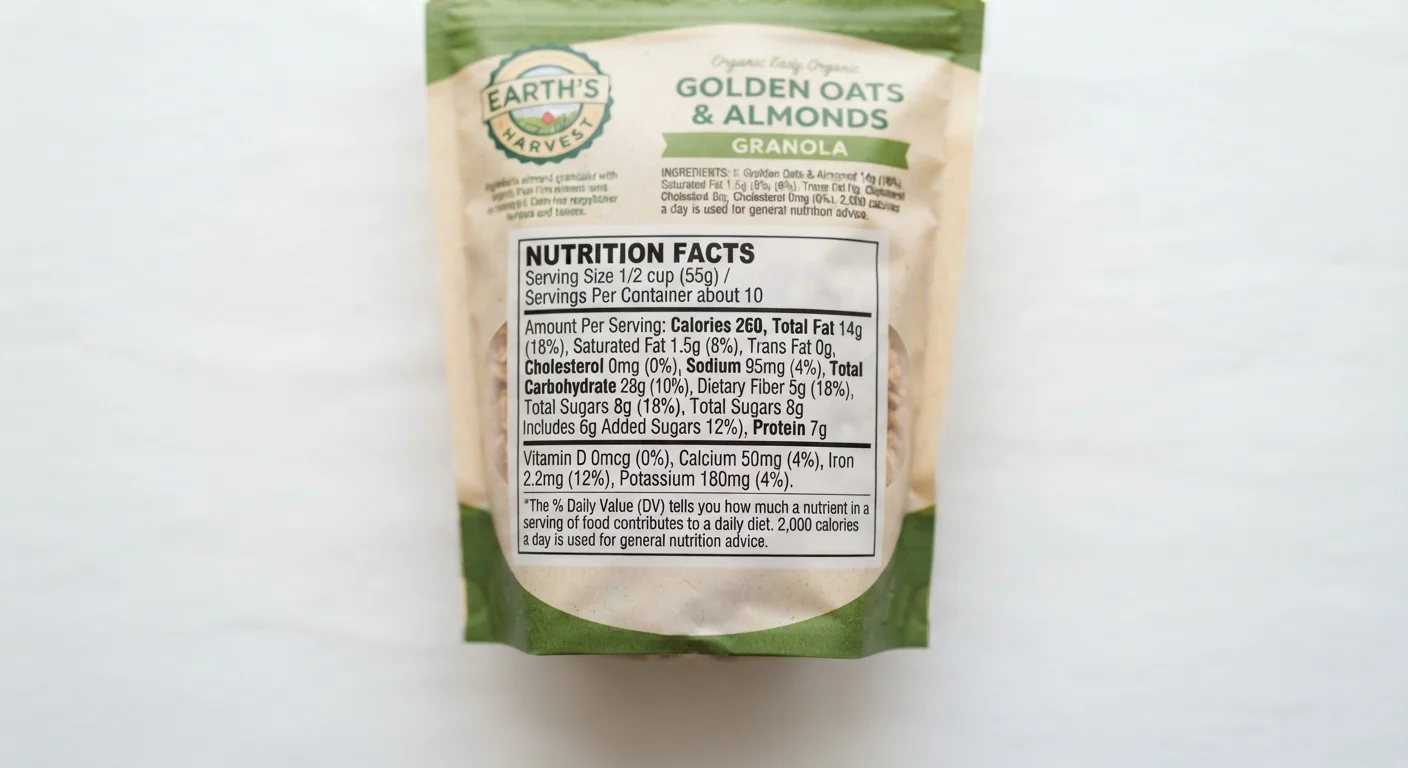
Photo: InfoAlly.net | Finding Info Made Easy editorial
Key Takeaways
- Serving size is the foundation of every number on the label - always check it first.
- Daily Value percentages help you judge whether a nutrient is high or low at a glance.
- Sodium, added sugars, and saturated fat are the three numbers most worth monitoring regularly.
- The ingredient list is a separate but complementary tool - order by weight matters.
- Labels follow a standardized FDA format, making them consistent across most packaged foods.
Why the Label Exists - and What It's Actually Telling You
The Nutrition Facts panel on U.S. packaged foods follows a format standardized by the Food and Drug Administration (FDA). Its purpose is straightforward: give consumers consistent, comparable information so they can make informed choices without needing a nutrition degree. The challenge is that the label is dense, and without a clear reading strategy, it's easy to fixate on one number while missing the bigger picture.
This guide walks through the label from top to bottom - the same order the FDA intends you to read it - so each figure lands in context rather than in isolation.
What you will need
For a broader look at how nutrition fits into everyday routines, see our guide to balanced eating across different lifestyles.
How to Read the Label: A Step-by-Step Walkthrough
Work through these steps whenever you pick up a new packaged product. With practice, the process takes under a minute.
Check the serving size before anything else
The very first line under "Nutrition Facts" states the serving size and the number of servings per container. Every single number on the rest of the label applies to one serving, not the whole package. A bag labeled "2.5 servings" means all the calories and nutrients you see need to be multiplied by 2.5 if you eat the entire bag.
Look at calories per serving
Calories appear in large, bold type directly below the serving information. This figure tells you the total energy provided by one serving from all three macronutrients - fat, carbohydrates, and protein. Calorie needs vary widely by age, sex, activity level, and health status, so this number is best used for comparison across similar products rather than as an absolute target.
Use the % Daily Value column as your quick guide
The right-hand column lists a % Daily Value (%DV) for most nutrients. This percentage tells you how much of a nutrient one serving contributes toward a general daily reference amount (based on a 2,000-calorie diet). A quick rule of thumb: 5% DV or less is considered low; 20% DV or more is considered high. You don't need to track every percentage - just use it to gauge whether something is a notable source or a minor one.
Scan the key nutrients: fats, sodium, and sugars
Work down through the macronutrients. Under Total Fat, you'll see breakdowns for saturated fat and trans fat - these two are the types most commonly flagged in dietary guidance. Sodium is its own line and can accumulate quickly across meals. Under Total Carbohydrate, look for the Added Sugars sub-line - this is one of the more useful additions to the updated FDA label format.
Check the beneficial nutrients in the lower half
Below the bold dividing line, the label lists nutrients the FDA considers important to get enough of: dietary fiber, vitamin D, calcium, iron, and potassium. Many Americans fall short of adequate intake for these. Use the %DV column here to identify whether a product contributes meaningfully to these goals.
Glance at the ingredient list separately
The ingredient list isn't part of the Nutrition Facts panel, but it's on the same package and gives complementary information. Ingredients are listed in descending order by weight - whatever appears first makes up the largest proportion of the product. This is especially useful for identifying where added sugars or refined grains fall in relation to whole ingredients.
Compare Products the Easy Way
Keep in mind that front-of-package claims - "low fat," "natural," "light" - are marketing language and have specific legal definitions that may surprise you. Our related article on not getting confused by nutrition marketing breaks down what those claims really mean.
The Nutrients Worth Watching Most Closely
Once you're comfortable with the label structure, you can begin prioritizing the figures that matter most for general health awareness. Current U.S. dietary guidance broadly suggests limiting sodium, saturated fat, and added sugars, while seeking adequate dietary fiber, vitamin D, calcium, iron, and potassium.
The distinction between total sugars and added sugars is worth understanding. Total sugars include naturally occurring sugars (like those in milk or fruit), whereas added sugars are incorporated during processing and offer no additional nutritional value. The label now lists both separately, making it easier to tell the difference.
"Low" Doesn't Always Mean Healthy
Fiber is one nutrient many people underestimate. For a deeper look at what it does and where to find it, see our article on the underestimated role of dietary fiber. You can also explore key vitamins and minerals at a glance for a quick-reference overview of the micronutrients listed on the label's lower half.
This article is for general informational and educational purposes only and is not a substitute for personalized dietary or medical advice. Consult a qualified healthcare professional or registered dietitian for guidance specific to your health needs.
The content on this site is for informational purposes only and is not a substitute for professional advice. Always consult a qualified professional for guidance specific to your situation.