
Monthly Budget Review Checklist

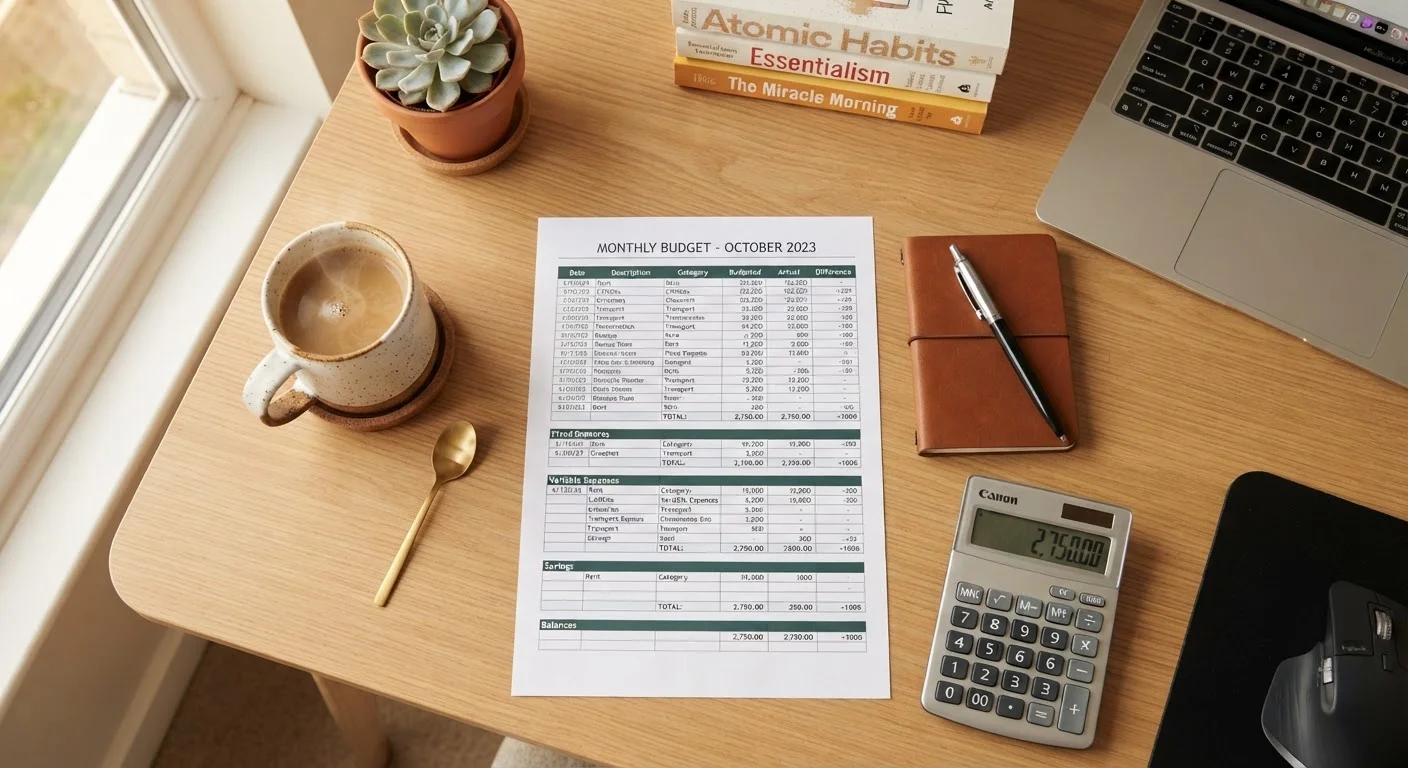
Photo: InfoAlly.net | Finding Info Made Easy editorial
Key Takeaways
- Comparing planned vs. actual spending each month prevents small overages from compounding into serious debt.
- Category creep - gradual overspending in areas like dining or subscriptions - is easiest to catch at month-end.
- A budget review is not about judgment; it's a neutral financial audit you run on your own numbers.
- Small monthly adjustments are far less disruptive than major corrections forced by a financial crisis.
- Consistent reviews build financial self-awareness that no budgeting app can replicate on its own.
Why a Monthly Budget Review Is Worth Your Time
Most people set a budget once and rarely revisit it. That single act of planning is useful, but without a regular review, it's easy to drift - spending a little more on takeout one week, adding a streaming service the next - until the numbers stop making sense at all.
A monthly budget review is a structured check-in that takes 30 to 60 minutes and answers three core questions: Where did my money actually go? How does that compare to my plan? And what do I want to adjust going forward?
This kind of audit pairs naturally with tracking every dollar you spend, which gives you the raw data this checklist helps you interpret. If you're deciding how to record that data in the first place, spreadsheet budgeting vs. budgeting apps covers the trade-offs clearly.
The checklist below is organized into four phases: gathering your data, reviewing income and fixed costs, auditing variable spending, and planning the month ahead.
Bank and credit card statements
Provides the actual transaction record needed to compare against your planned budget.
Budget spreadsheet or budgeting app
Holds your planned category amounts so you can measure actuals against them side by side.
Calculator
Useful for quickly totaling category spending if you are not using a digital tool.
Notebook or notes app
Lets you jot observations, flag anomalies, and record adjustment decisions during the review.
How to Work Through the Checklist
Set aside a quiet block of time - ideally within the first two or three days of a new month, while the previous month is still fresh. Work through each group in order. Don't skip the income section even if your paycheck is consistent; one-time credits, side income, or missed deposits are easy to overlook.
Avoid Reviewing Under Pressure
When you reach the variable spending section, look specifically for category creep - a pattern where a budget line you set at $150 quietly became $210 over three months without a conscious decision. Small amounts feel harmless in isolation, but they accumulate. The goal is awareness, not self-criticism.
After completing the review, take five minutes to note one or two concrete adjustments for next month. These might feed directly into your monthly savings health check or inform decisions you're tracking in the smarter big purchases hub.
Gather Your Data
Review Income
Audit Fixed and Recurring Costs
Audit Variable Spending
Plan Next Month
This article is for general informational and educational purposes only. It does not constitute personalized financial advice. For guidance specific to your financial situation, consult a qualified financial professional.
The content on this site is for informational purposes only and is not a substitute for professional advice. Always consult a qualified professional for guidance specific to your situation.