
What a Personal Budget Actually Is (and Why Most People Get It Wrong)

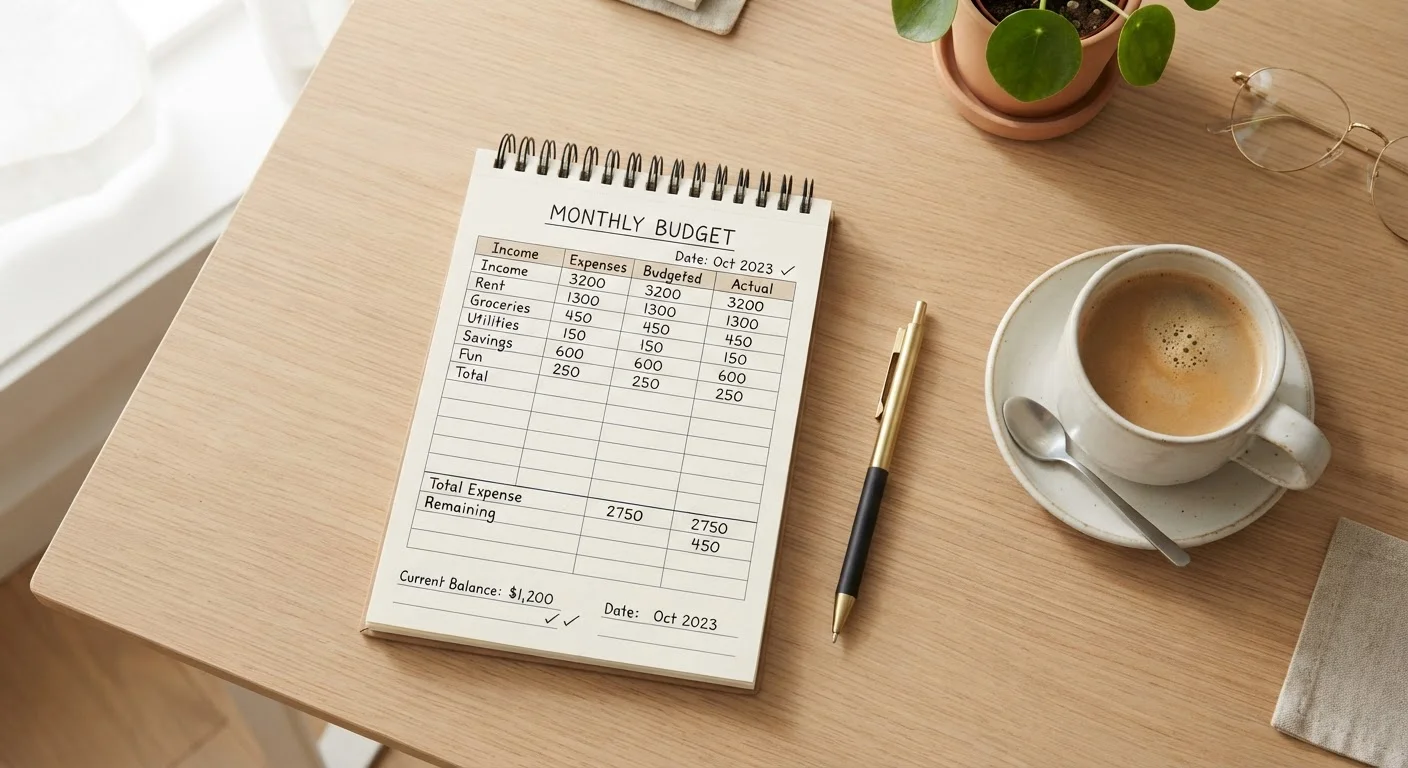
Photo: InfoAlly.net | Finding Info Made Easy editorial
Key Takeaways
- A personal budget is a spending and saving plan, not a record of past expenses.
- Budgets work best when they reflect your real priorities, not an idealized version of them.
- You don't need to be in financial trouble to benefit from having a budget.
- The most common budgeting mistake is treating it as a rigid rulebook rather than a flexible guide.
- Any budgeting method - zero-based, 50/30/20, envelope - is only as good as the consistency behind it.
The Definition Most People Misunderstand
Ask most people what a budget is, and they'll describe something punishing - a list of things they can't buy, a spreadsheet that makes them feel guilty, or a tool only relevant to people in financial crisis. That framing is both common and wrong.
A personal budget is simply a plan for your money. It accounts for what you earn, what you owe in recurring obligations, what you want to spend, and what you intend to save - all mapped out before the money moves. The emphasis on before is what separates budgeting from merely tracking expenses after the fact.
When people conflate budgeting with deprivation, they skip it altogether. That's the real cost of the misunderstanding: without a plan, spending defaults to habit and impulse rather than intention. For a closer look at how spending choices connect to personal values, see our piece on what intentional spending actually means.
Budgeting Is Not the Same as Accounting
What a Budget Is Actually Made Of
A functional personal budget has three working parts:
- Income: Your expected take-home pay (after taxes) for the period - including wages, freelance income, side income, or any other reliable source.
- Fixed expenses: Obligations that stay roughly the same each month, such as rent or mortgage payments, insurance premiums, and loan minimums.
- Variable expenses and savings goals: Everything else - groceries, transportation, dining, entertainment, and the amounts you plan to set aside for an emergency fund, retirement, or a specific purchase.
The mechanics are straightforward: income minus planned spending and saving should ideally equal zero (meaning every dollar has been assigned a purpose) or show a surplus. A deficit - where planned spending exceeds income - signals that adjustments are needed before the month begins, not after it ends.
~32%
Americans with a detailed household budget
Gallup polling has consistently found that fewer than one in three Americans maintain a detailed monthly household budget, despite widespread awareness of the practice.
$1,000
Emergency savings threshold many households can't meet
Surveys by Bankrate have repeatedly found a significant share of U.S. adults would struggle to cover a $1,000 emergency expense from savings alone, underscoring the gap a budget can help close.
Why the Concept Trips So Many People Up
Several persistent myths keep people from budgeting effectively. The most damaging ones include:
- "My income is too irregular to budget." Variable income makes budgeting more important, not less. Building a budget around a conservative income estimate - and adjusting when you earn more - is a proven workaround.
- "I'll feel too restricted." A budget that doesn't include any spending on things you enjoy isn't realistic. Sustainable budgets account for discretionary spending on purpose, rather than ignoring it.
- "I only need one if I'm in debt." Budgeting is a planning tool, not a rescue tool. People at every income level use budgets to build wealth, fund goals, and maintain financial clarity.
These misconceptions are so widespread they deserve their own deep dive. Our article on budget myths that keep people from starting covers them in detail.
Start With What You Actually Spend
The Next Step: From Concept to Practice
Understanding what a budget is matters, but the payoff comes from building one. Common methods include the 50/30/20 rule (allocating roughly half of take-home pay to needs, 30% to wants, and 20% to savings and debt repayment), zero-based budgeting (assigning every dollar a job until income minus allocations equals zero), and the envelope system (dividing cash into physical or digital envelopes by category).
No single method is universally superior. The one that works is the one you'll actually maintain. If you're ready to build your first budget from scratch, our step-by-step first budget guide walks through the full process. For broader context on core concepts and systems, personal budgeting from the ground up is a strong starting point.
This article is for general informational and educational purposes only and does not constitute personalized financial advice. Consider speaking with a qualified financial professional about your specific situation.
Frequently Asked Questions
The content on this site is for informational purposes only and is not a substitute for professional advice. Always consult a qualified professional for guidance specific to your situation.