
Snowball vs. Avalanche: Two Ways to Pay Off Multiple Debts

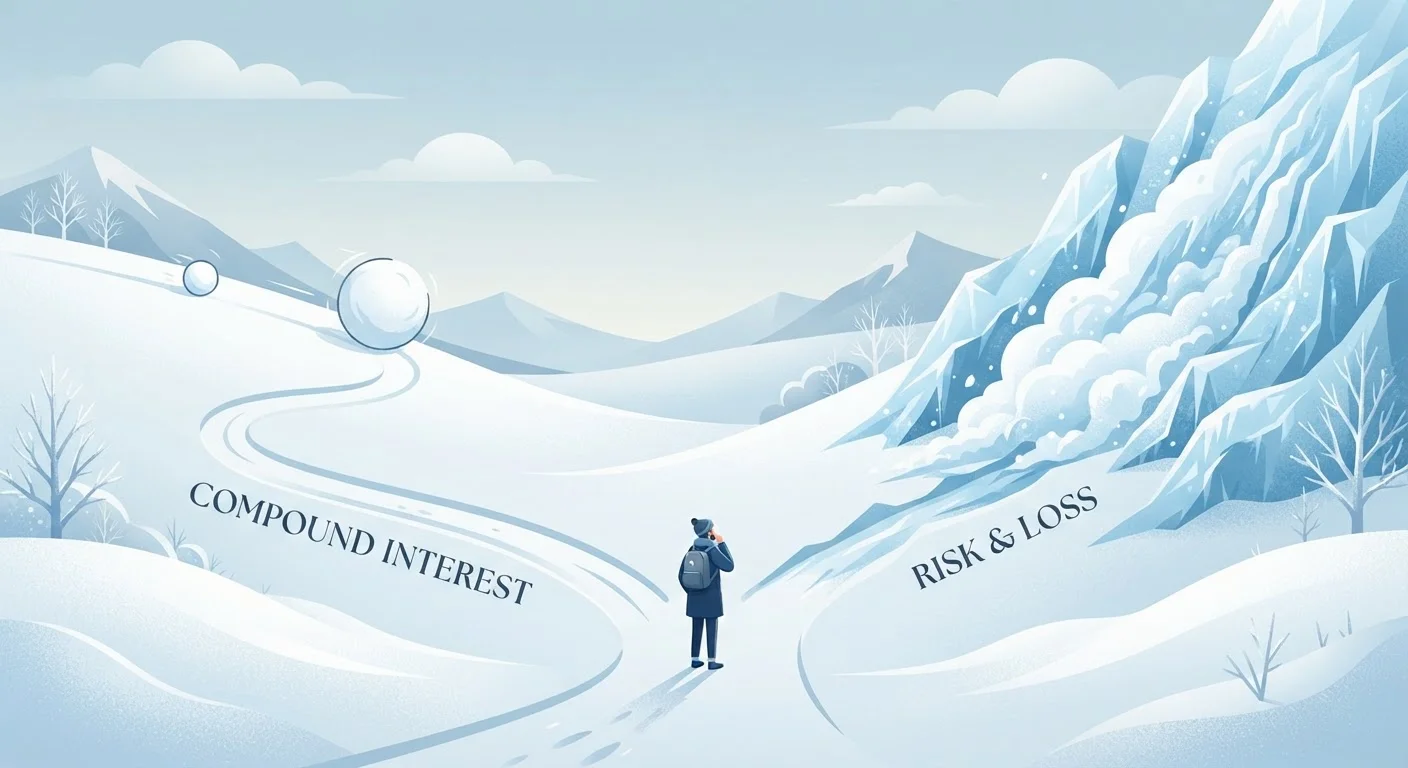
Photo: InfoAlly.net | Finding Info Made Easy editorial
Key Takeaways
- The debt snowball targets your smallest balance first, regardless of interest rate.
- The debt avalanche targets your highest-interest debt first, reducing total interest paid over time.
- Both strategies require making minimum payments on all other debts while focusing extra funds on one.
- The avalanche method is typically more cost-effective; the snowball method tends to be more psychologically rewarding.
- Your best strategy is the one you can realistically stick with until all debts are cleared.
- Consult a licensed financial professional if you are uncertain which approach fits your situation.
How Each Method Works
When you owe money on more than one account - credit cards, personal loans, medical bills - deciding where to focus your extra payments matters. Two well-known frameworks can help: the debt snowball and the debt avalanche. Both follow the same core rule: make minimum payments on every account, then direct any additional dollars toward one target debt at a time. The difference lies in how you choose that target.
Debt Snowball: You rank your debts from smallest balance to largest. You attack the smallest first. Once it is paid off, you roll that freed-up payment into the next smallest - like a snowball gaining size as it rolls. The interest rate on each debt is not part of the ranking.
Debt Avalanche: You rank your debts from highest interest rate to lowest. You attack the most expensive debt first. Once it is eliminated, you redirect those funds to the next highest rate. The balance size is not the deciding factor here.
To see how these approaches compare at a glance, see our comprehensive debt and credit guide for broader context on repayment options.
| Criterion | Debt Snowball | Debt Avalanche |
|---|---|---|
| Repayment order | Smallest balance first | Highest interest rate first |
| Total interest paid | Typically higher | Typically lower |
| Speed to debt-free | Slightly slower overall | Slightly faster overall |
| Early motivational wins | Yes - accounts close quickly | Fewer early wins |
| Complexity | Simple to follow | Requires tracking APRs |
| Best psychological fit | Needs visible progress | Comfortable with delayed payoff |
The Real Difference: Psychology vs. Math
The avalanche method is the winner on paper. By eliminating high-interest balances first, you reduce the total amount of interest that accumulates across all your accounts - often by a meaningful sum over months or years. If two people start with identical debts and one uses the avalanche while the other uses the snowball, the avalanche user will generally pay less in total and finish slightly sooner.
But math is only part of the picture. Debt repayment is a long-term behavioral challenge, not just a calculation. The snowball method is built on a psychological insight: small victories feel rewarding, and that reward reinforces the habit. When you eliminate an entire account, you reduce the number of monthly obligations you juggle. That simplicity and sense of progress can make a meaningful difference in whether someone stays the course.
~77%
Americans carrying some form of debt
According to Pew Research Center analysis, a large majority of US households carry debt of some kind, underscoring how common multi-debt management challenges are.
20%+
Average APR on credit card accounts assessed interest
Federal Reserve data has shown average credit card interest rates on accounts carrying balances frequently exceeding 20%, making high-rate debt a significant cost driver.
Neither approach is universally superior. A strategy you abandon halfway through leaves you worse off than a slightly less efficient strategy you complete. Understanding which of your debts are working against you can also help you prioritize with more context.
Choosing the Right Fit for You
Before committing to either approach, take stock of your debts: list each balance, its minimum payment, and its interest rate (also called the APR). This inventory is the foundation of both strategies.
Consider the avalanche if: your highest-rate debts carry rates significantly above the others, you have a reliable budget you stick to, and the slower early progress will not discourage you from continuing.
Consider the snowball if: you have several small balances you could realistically eliminate within a few months, you have found it hard to sustain financial habits in the past, or reducing the sheer number of accounts matters to you emotionally.
Some people blend elements of both - clearing one or two tiny balances for a quick win, then switching to rate-based ordering. That flexibility is fine, as long as the core rule holds: minimum payments everywhere, focused extra payments on one target at a time.
Once debts are under control, building long-term financial resilience becomes the next priority. See habits that keep debt manageable over the long term to learn what practices help people stay on track after they have made progress.
If you are weighing whether to take on new debt at all, comparing financing versus paying cash for a large purchase offers a useful framework before you borrow.
This article is for general informational and educational purposes only and does not constitute personalized financial advice. Consult a licensed financial professional for guidance specific to your circumstances.
The content on this site is for informational purposes only and is not a substitute for professional advice. Always consult a qualified professional for guidance specific to your situation.