
Annual Vet Visits: What Actually Happens and Why They Matter

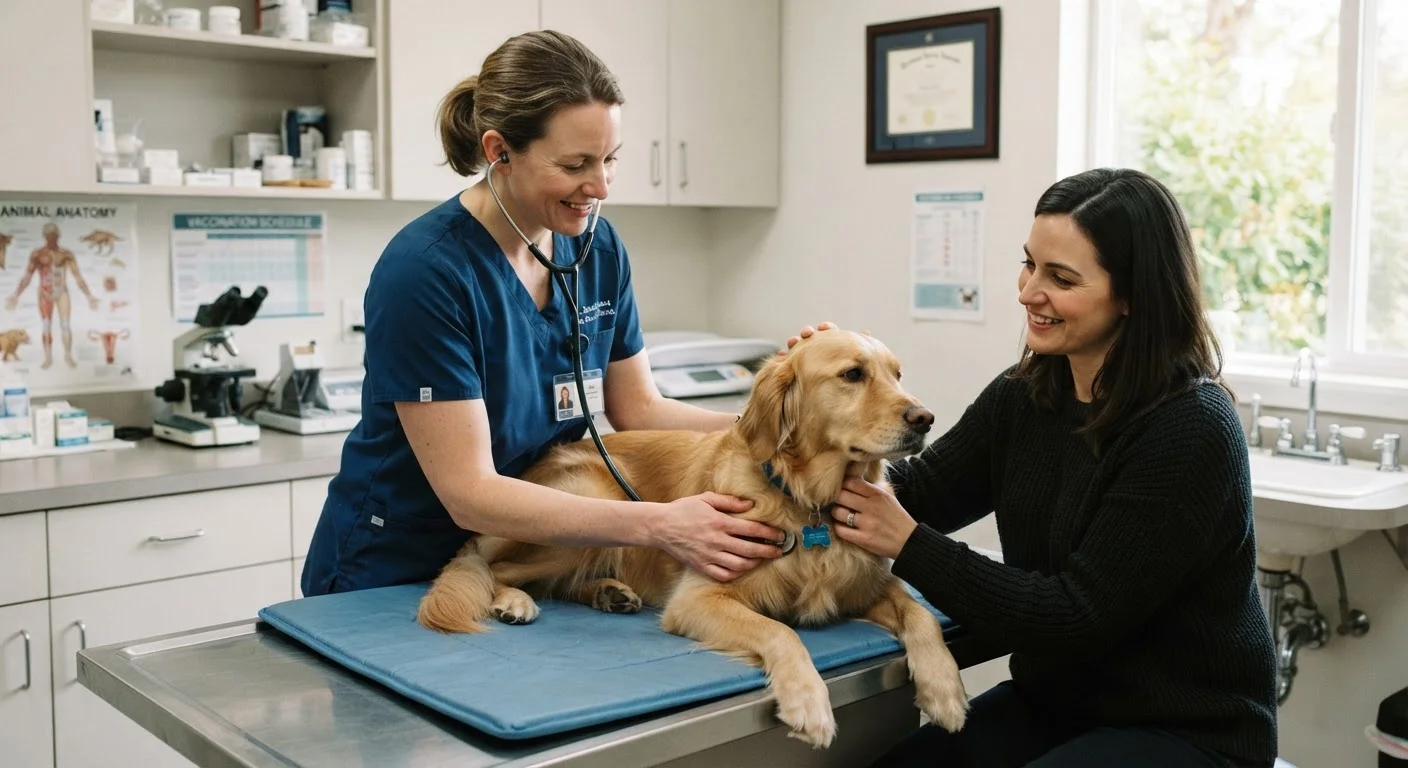
Photo: InfoAlly.net | Finding Info Made Easy editorial
Key Takeaways
- Annual exams cover far more than vaccines - they include a full physical assessment of your pet's major systems.
- Early detection of health changes is one of the most powerful benefits of consistent yearly check-ups.
- Vets use these visits to benchmark your pet's 'normal,' making future comparisons more meaningful.
- Older pets and very young animals often benefit from more frequent wellness visits than once a year.
- You can support annual exams with at-home observation between visits.
What Actually Happens During the Exam
If you've ever wondered what a vet is actually doing during those quiet minutes of examination, you're not alone. The annual wellness visit follows a predictable structure, and understanding it can make the experience feel less mysterious - for you and your pet.
Most visits begin with a weight check and vital signs - temperature, heart rate, and respiratory rate. These numbers matter more than they might seem; a gradual weight gain or a slightly elevated resting heart rate can be early signals worth tracking.
From there, your vet works through a systematic physical assessment:
- Eyes and ears - checked for discharge, redness, or signs of infection
- Mouth and teeth - dental disease is one of the most common and underrecognized conditions in pets
- Skin and coat - looking for lumps, parasites, hair loss, or inflammation
- Lymph nodes and abdomen - palpated to detect swelling, tenderness, or organ changes
- Heart and lungs - listened to with a stethoscope for murmurs or abnormal breathing
The visit typically ends with a conversation about diet, behavior, parasite prevention, and any vaccinations due. This is your window to ask questions - and it's a genuinely valuable one.
70%
Pets showing signs of periodontal disease by age 3
According to the American Veterinary Medical Association, periodontal disease is one of the most prevalent health conditions seen in dogs and cats, often detectable long before owners notice symptoms.
2x
Rate at which dogs age relative to humans in senior years
Veterinary researchers note that larger dog breeds in particular age at an accelerated rate in their later years, underscoring why more frequent wellness visits matter as pets get older.
1 in 3
Pets diagnosed with cancer in their lifetime
The National Canine Cancer Foundation estimates that cancer affects approximately one in three dogs; early detection through routine exams remains a key factor in treatment outcomes.
Why 'My Pet Seems Fine' Isn't Enough
Pets are remarkably good at hiding discomfort. It's an instinct rooted in survival - showing weakness in the wild invites vulnerability. That means by the time your dog or cat is visibly unwell, a problem may already be well established.
Annual exams give vets a baseline - a record of what normal looks like for your specific animal. A slight change in kidney values or a new heart murmur is only meaningful in context. Without prior data, a vet is working without a map.
“We can do so much more for an animal when we find a problem early. The annual exam isn't just a formality - it's often where we catch the things owners couldn't possibly see at home.”
— General veterinary guidance, Reflected across veterinary preventive care literature and professional associations
This is also why the frequency recommendation changes with age. Pets age more rapidly than humans, and their health can shift significantly within a single calendar year. A seven-year-old dog isn't just a little older than a five-year-old - physiologically, it's a meaningful difference. Many vets recommend biannual visits for pets in their senior years for this reason.
Pairing professional exams with consistent at-home observation makes the whole system stronger. Our quarterly at-home wellness checklist walks you through what to look for between visits.
Making the Most of Every Visit
A vet appointment is a two-way exchange, and the quality of information you bring directly affects what your vet can offer. Before each visit, take a few minutes to note anything that's changed - appetite shifts, changes in water intake, altered sleep patterns, new lumps, or behavioral quirks. These observations are clinical data.
Keep a Simple Health Journal for Your Pet
Vaccine decisions are also part of this conversation. Not every pet needs every vaccine every year - protocols are tailored based on lifestyle, age, and exposure risk. For a clear breakdown of how this works, see our guide on core versus non-core vaccinations.
After the appointment, use what you've learned to shape your pet's everyday routine. A consistent, health-conscious daily structure complements preventive care - our article on building a daily routine your pet will love offers practical guidance. And if you're ready to take preventive care further, building a preventive care routine your vet will approve lays out a vet-informed framework for the long term.
This article is for general informational purposes only and is not a substitute for professional veterinary advice. Always consult a licensed veterinarian for guidance specific to your pet's health needs.
Frequently Asked Questions
The content on this site is for informational purposes only and is not a substitute for professional advice. Always consult a qualified professional for guidance specific to your situation.