
Vaccinations Demystified: Core vs. Non-Core and How Immunity Actually Works in Pets

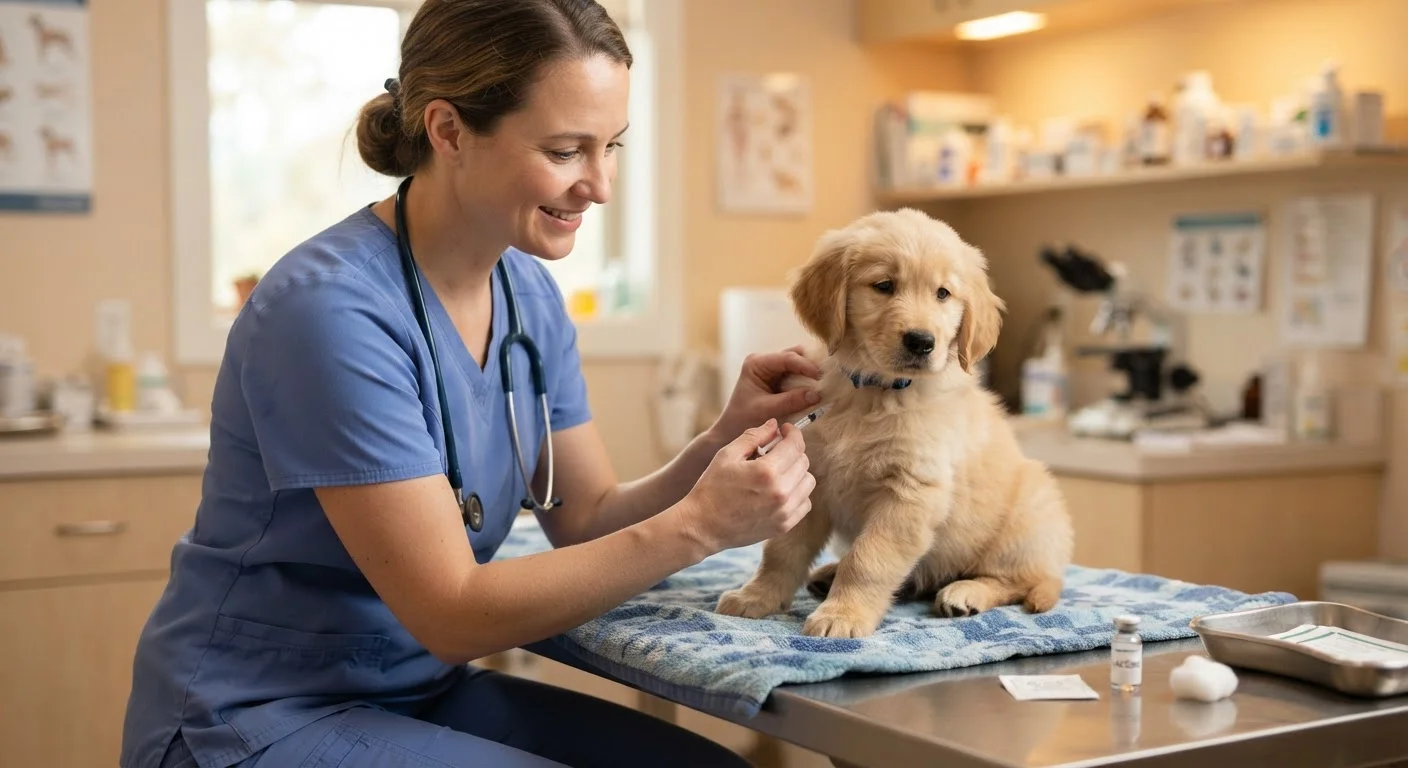
Photo: InfoAlly.net | Finding Info Made Easy editorial
Key Takeaways
- Core vaccines are recommended for nearly all dogs or cats; non-core vaccines depend on lifestyle and environment.
- Vaccines work by training your pet's immune system to recognize and fight specific pathogens before real exposure occurs.
- Puppies and kittens receive a series of initial shots because maternal antibodies temporarily interfere with vaccine effectiveness.
- Your pet's risk profile - indoor vs. outdoor, rural vs. urban, boarded or not - shapes which non-core vaccines make sense.
- Booster schedules vary by vaccine; some offer multi-year protection while others require annual renewal.
- Always consult your veterinarian to build a vaccination plan tailored to your individual pet's needs and health history.
How Vaccines Actually Build Immunity
When a vaccine is administered, it introduces your pet's immune system to a harmless version of a pathogen - this might be a killed virus, a modified live organism, or just a piece of the pathogen's protein. The immune system responds by producing specialized cells and antibodies calibrated to that specific threat. If your pet later encounters the real disease, their body is already primed to neutralize it quickly, before serious illness sets in.
This process explains why puppies and kittens need a series of vaccines rather than a single shot. During the first weeks of life, young animals carry maternal antibodies passed through their mother's milk. These antibodies are protective early on, but they also interfere with how vaccines work - essentially blunting the immune response. Because maternal antibodies fade at different rates in different animals, vets administer vaccines repeatedly over several weeks to catch each puppy or kitten at the right window of receptivity.
Why Puppy and Kitten Series Vaccines Matter
After the initial puppy or kitten series, booster shots reinforce immunity over time. The intervals between boosters depend on the specific vaccine's duration of protection - not a one-size-fits-all schedule.
Core Vaccines: The Non-Negotiables
Core vaccines protect against diseases that are either highly contagious, potentially fatal, or transmissible to humans - making them appropriate for nearly every pet regardless of lifestyle.
For dogs, core vaccines typically include:
- Rabies - legally required in most U.S. states; fatal to animals and people
- Distemper - a severe viral illness affecting the respiratory, GI, and nervous systems
- Parvovirus - a highly contagious and often deadly disease, especially in puppies
- Adenovirus (Hepatitis) - commonly bundled in the DA2PP combination vaccine
For cats, core vaccines generally include:
- Rabies - required by law in many states even for indoor cats
- FVRCP - a combination covering feline viral rhinotracheitis (herpesvirus), calicivirus, and panleukopenia
~50 states
U.S. states with rabies vaccine requirements
Rabies vaccination laws vary by state and sometimes by municipality, but nearly all U.S. states require rabies vaccination for dogs, and many extend this to cats.
3-4 weeks
Interval between puppy vaccine series shots
Veterinary guidelines generally recommend administering puppy core vaccines in a series spaced 3-4 weeks apart, typically from 6-8 weeks of age through 16 weeks, to account for waning maternal antibodies.
Up to 3 years
Protection duration of some approved vaccines
Certain rabies and core combination vaccines carry USDA approval for three-year dosing intervals after the initial booster, though local laws may still require annual proof of vaccination.
See our guide to annual vet visits for a broader look at what preventive care checks involve.
Non-Core Vaccines: When Lifestyle Shapes the Recommendation
Non-core vaccines are not inferior to core vaccines - they simply address diseases whose risk depends on where your pet goes, who they spend time with, and where you live. A dog that spends weekends hiking near rivers faces different exposure risks than one who rarely leaves a city apartment.
Common non-core vaccines for dogs include:
- Bordetella (kennel cough) - often required by boarding facilities and doggy daycares
- Leptospirosis - recommended for dogs with exposure to wildlife, standing water, or rural environments
- Lyme disease - relevant in tick-prevalent regions like the Northeast and upper Midwest
- Canine influenza - considered for dogs with frequent contact with other dogs
For cats, non-core vaccines may include:
- Feline leukemia virus (FeLV) - strongly recommended for cats with outdoor access or exposure to other cats, and now considered core for kittens by many guidelines
- Chlamydia and Bordetella - for cats in multi-cat environments or shelters
Bring a Lifestyle Summary to Your Vet Visit
When building your pet's full preventive care picture, the preventive care routine guide offers practical context alongside vaccination planning.
Working With Your Vet to Build the Right Plan
No two pets have identical needs. A senior dog with health conditions may have a modified vaccine schedule compared to a healthy adult dog; a cat who recently moved from indoors-only to an outdoor environment may need to revisit their coverage. Senior pets in particular often warrant a reassessment of which vaccines still make sense given their age and immune status.
When you visit your vet, be open about your pet's full lifestyle: Do they go to dog parks or board regularly? Do you travel with them? Have local disease outbreaks been reported? This context lets your veterinarian make genuinely individualized recommendations rather than defaulting to a generic list.
Vaccination records also matter practically - boarding facilities, groomers, and travel requirements may all mandate proof of specific vaccines. Keeping an up-to-date record saves stress when you need it quickly. Your vet's office typically maintains these records, but having a personal copy is wise.
This article is for general informational purposes only and is not a substitute for professional veterinary advice. Always consult a licensed veterinarian for guidance specific to your pet's health, history, and circumstances.
Frequently Asked Questions
The content on this site is for informational purposes only and is not a substitute for professional advice. Always consult a qualified professional for guidance specific to your situation.