
Pet Weight Management: Understanding Body Condition Score and Why Obesity Is a Medical Issue

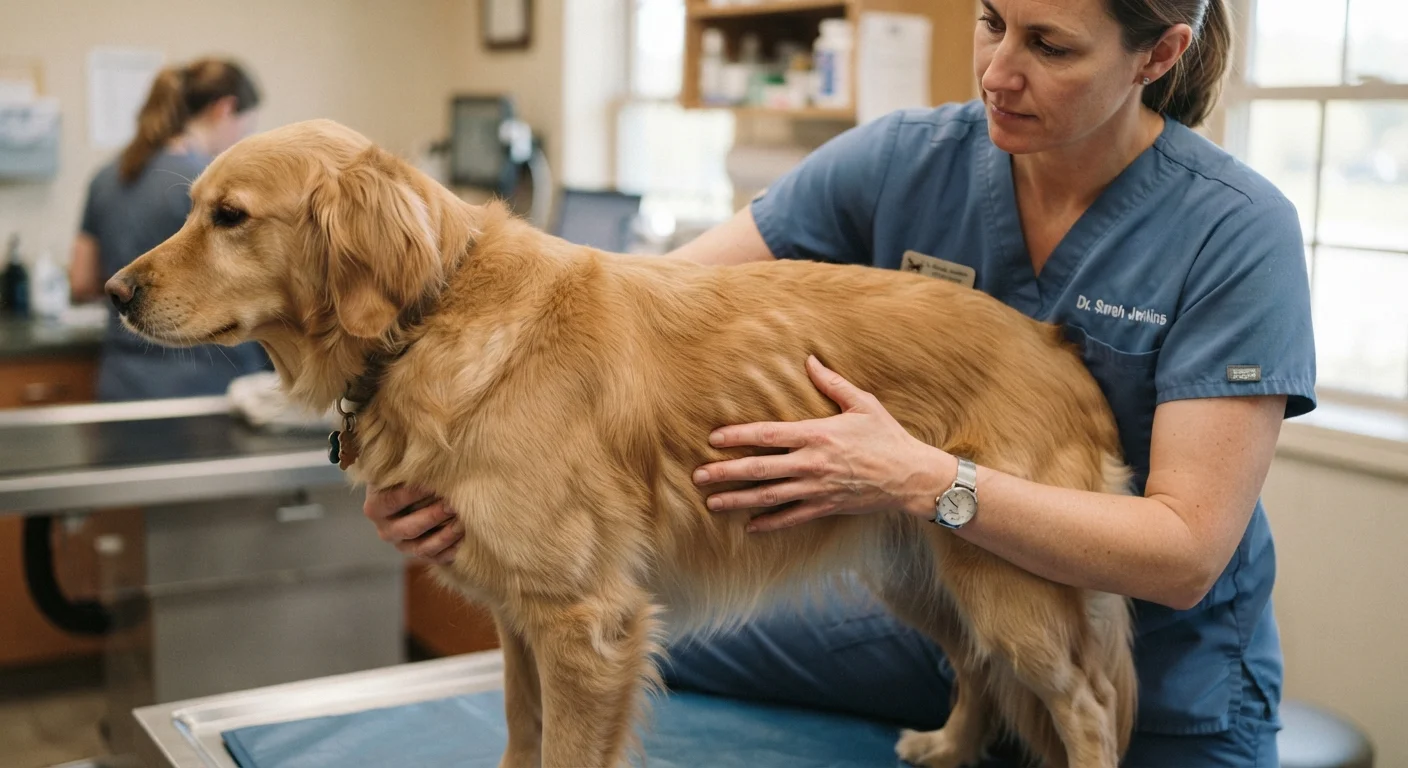
Photo: InfoAlly.net | Finding Info Made Easy editorial
Key Takeaways
- Body Condition Score is a more reliable weight indicator than scale weight alone because it accounts for individual breed differences.
- An estimated 50-60% of US dogs and cats are overweight or obese, according to surveys by the Association for Pet Obesity Prevention.
- Excess weight in pets is directly linked to arthritis, diabetes, heart disease, and shorter lifespans.
- You can perform a basic BCS check at home between vet visits using a simple rib and waist assessment.
- Weight loss in pets should always be guided by a veterinarian to avoid muscle loss or nutritional deficiency.
- Senior pets and certain breeds carry higher obesity risk and may need more frequent monitoring.
Why a Scale Alone Doesn't Tell the Full Story
When a pet steps on the scale at the vet's office, the number matters - but it only tells part of the story. A 65-pound Labrador and a 65-pound Greyhound have very different ideal body compositions. What matters as much as weight is the distribution of fat and muscle on your pet's frame, and that's exactly what the Body Condition Score was designed to measure.
BCS shifts the conversation from "how much does your pet weigh" to "how does your pet's body look and feel?" It's a repeatable, low-tech assessment that any pet owner can learn the basics of - and one your vet already uses at every wellness visit. Incorporating it into your home wellness routine gives you a meaningful data point between annual exams.
~59%
US dogs classified as overweight or obese
According to annual surveys by the Association for Pet Obesity Prevention (APOP), over half of US dogs are estimated to be above a healthy body condition.
~61%
US cats classified as overweight or obese
APOP survey data consistently shows that cats have an even higher prevalence of excess weight than dogs across the American pet population.
Up to 2 years
Potential lifespan extension in lean dogs
A long-term study published in the Journal of Veterinary Internal Medicine found that dogs maintained at a lean body condition lived significantly longer than their overweight littermates.
How to Read a Body Condition Score
Most veterinary practices use a 9-point BCS scale. A score of 1-3 indicates an underweight pet; 4-5 is ideal; 6-7 is overweight; and 8-9 is obese. Here's what the hands-on assessment involves:
- Rib check: Place your hands on your pet's sides with thumbs along the spine. You should feel ribs easily with light pressure - like running your fingers over the back of your knuckles. If you have to press deeply or can't feel them at all, there's excess fat present.
- Waist assessment: Viewed from above, a healthy pet should have a visible narrowing behind the ribs. A pet without a discernible waist is likely carrying too much weight.
- Abdominal tuck: From the side, the belly should slope upward toward the hind legs rather than hanging level or sagging downward.
These three checks give you a working picture of your pet's condition. Always share your findings with your veterinarian, who can assign an official score and provide context based on breed norms. For broader monitoring across different life stages, the guidance in senior pet care is especially relevant as pets age and their metabolism slows.
Practice the Rib Check Regularly
Obesity Is a Medical Condition, Not a Lifestyle Choice
It can feel harsh to hear that a beloved, food-enthusiastic pet is medically obese. But veterinary science is clear: excess body fat is not a cosmetic issue - it's a systemic health problem with real, measurable consequences.
Chronic excess weight in pets is associated with:
- Osteoarthritis and joint disease - extra load accelerates cartilage breakdown, causing pain and reduced mobility
- Type 2 diabetes mellitus - particularly in cats, where obesity is a primary risk factor
- Respiratory compromise - fat deposits around the chest and airway reduce lung capacity
- Certain cancers - adipose (fat) tissue produces inflammatory hormones that have been linked to higher cancer rates in animal studies
- Reduced lifespan - studies in dogs have shown that maintaining a lean body condition can extend healthy life by up to two years
Understanding these risks isn't meant to induce guilt. Pets don't choose their portions - we do. Many of the common feeding mistakes that contribute to weight gain are entirely fixable once you're aware of them.
“We've normalized overweight pets to the point where owners sometimes think their healthy-weight animal looks underweight. Resetting that visual baseline - and giving owners a hands-on tool like BCS - is one of the most impactful things we can do in a wellness visit.”
— Dr. Ernie Ward, Veterinarian and founder of the Association for Pet Obesity Prevention
Getting Help: What a Weight Management Plan Looks Like
If your pet's BCS is above ideal, the most important first step is a veterinary appointment - not a crash diet. A veterinarian will rule out underlying conditions like hypothyroidism that can cause weight gain, then establish a safe calorie target. Never dramatically restrict a cat's food without veterinary supervision; rapid calorie reduction can trigger hepatic lipidosis, a serious and potentially life-threatening liver condition.
A typical vet-guided weight loss plan includes:
- Calculating precise daily caloric needs based on the pet's target weight, not current weight
- Measuring food by weight (grams) rather than volume cups, which are notoriously imprecise
- Factoring in all treats and food toppers as part of the daily calorie budget
- Scheduling recheck appointments every 4-6 weeks to track progress and adjust portions
- Gradually increasing activity appropriate to the pet's current fitness level and joint health
If your pet develops a weight-related health condition, understanding your pet insurance coverage ahead of time can help you plan for potential veterinary costs. Weight management is a gradual process - most pets reach a healthy BCS over several months, not weeks, and that's perfectly appropriate.
This article is for general informational and educational purposes only and is not a substitute for professional veterinary advice, diagnosis, or treatment. Always consult a licensed veterinarian for guidance specific to your pet's health.
Frequently Asked Questions
The content on this site is for informational purposes only and is not a substitute for professional advice. Always consult a qualified professional for guidance specific to your situation.