
Pet Insurance: What It Covers, What It Doesn't, and How to Think About the Trade-Offs

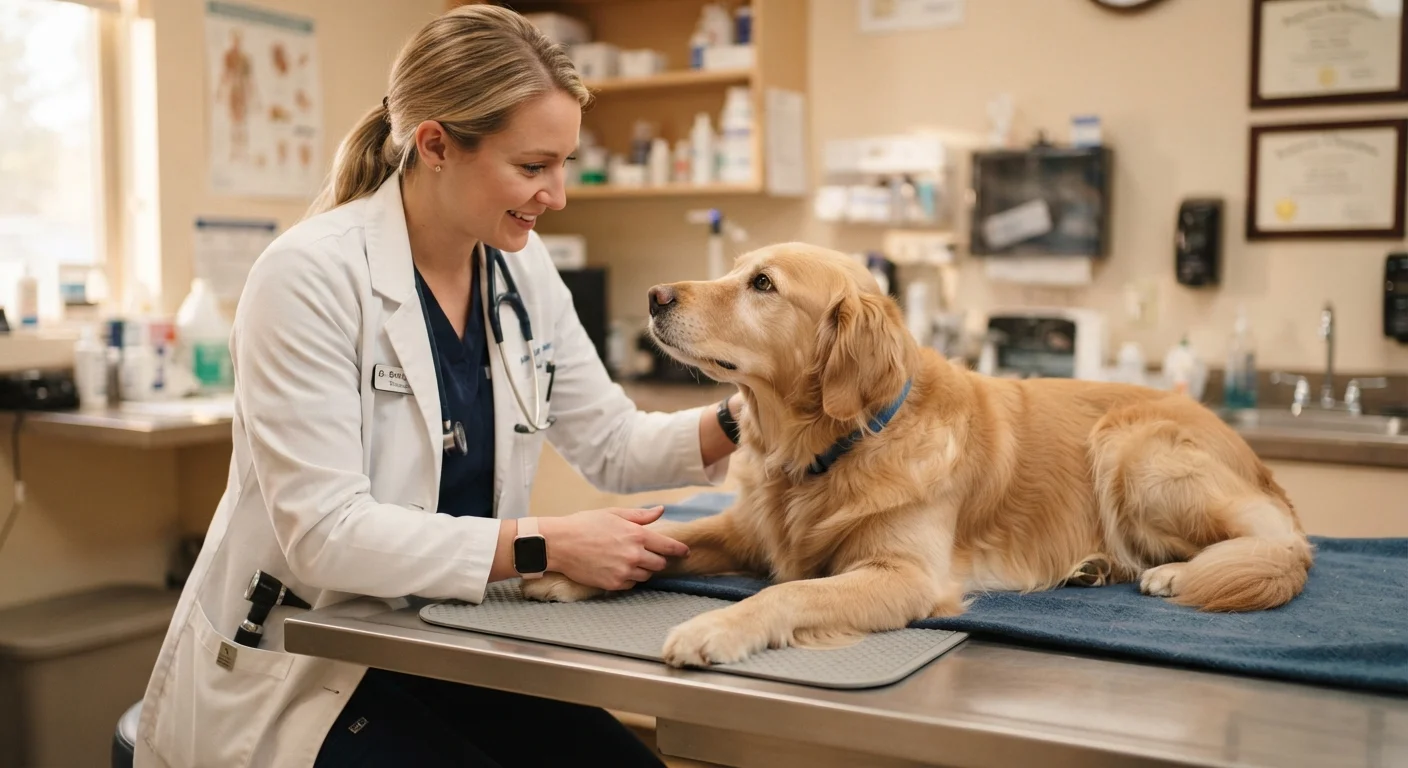
Photo: InfoAlly.net | Finding Info Made Easy editorial
Key Takeaways
- Pet insurance typically covers accidents and illnesses but rarely covers pre-existing conditions or routine wellness care.
- Premiums, deductibles, and reimbursement rates vary widely across policies - reading the fine print is essential.
- Enrolling your pet while young and healthy generally secures broader coverage and lower premiums.
- Pet insurance functions as a financial risk-management tool, not a guarantee of coverage for every vet visit.
- A dedicated savings account is a common alternative strategy worth weighing against monthly premium costs.
Limits exposure to large, unexpected vet bills
Emergency surgeries, cancer treatment, and hospitalization can cost several thousand dollars. Insurance reimbursement can make these bills manageable rather than devastating.
Encourages timely veterinary care
Pet owners with coverage may be less likely to delay seeking care due to cost concerns, which can improve outcomes for conditions that respond better to early intervention.
Broader coverage when enrolled young
Enrolling before health issues develop means fewer pre-existing condition exclusions, giving the policy more opportunity to pay meaningful claims over the pet's lifetime.
Predictable monthly costs over unpredictable lump sums
A fixed premium makes pet health expenses easier to budget for, particularly for households that find large one-time expenses difficult to absorb.
Pre-existing conditions are almost always excluded
Any condition diagnosed or showing symptoms before enrollment - or during the waiting period - is typically excluded for the life of the policy, limiting coverage for older or already-diagnosed pets.
Cumulative premiums may exceed reimbursements
For pets that remain healthy, the total cost of years of premiums can surpass what the insurer ever pays back, making self-funding potentially more cost-effective in some cases.
Routine and preventive care usually not included
Standard wellness visits, vaccinations, dental cleanings, and parasite prevention are generally excluded from base policies unless a separate wellness rider is purchased at additional cost.
Premiums rise with age and risk factors
As pets age, premiums typically increase while the scope of covered conditions may shrink due to accumulated exclusions, reducing value at the stage of life when care is often most needed.
Reimbursement requires upfront payment first
Most US policies reimburse after the fact, meaning owners must have funds available to pay the full vet bill at the time of service, which can still create short-term financial stress.
How Pet Insurance Policies Are Generally Structured
Most pet insurance plans in the US operate on a reimbursement model: you pay the veterinary bill upfront, submit a claim, and receive a percentage of covered costs back - typically between 70% and 90%, depending on the plan you choose. Three main variables determine your out-of-pocket exposure: the annual deductible (the amount you pay before reimbursement kicks in), the reimbursement percentage, and any annual or per-incident benefit limits.
Policies generally fall into two broad categories. Accident-only plans cover injuries such as broken bones, bite wounds, or swallowed objects. Accident and illness plans extend coverage to conditions like cancer, diabetes, or infections. A smaller category, sometimes called wellness or preventive care riders, may offset routine expenses such as vaccinations - though these add-ons tend to cost extra and pay modest, predictable amounts rather than protecting against large unexpected bills.
Understanding this structure matters because it shapes whether a given plan actually reduces your financial risk in a meaningful way. For more context on how insurance-style products compare to paying directly, see our overview on financing versus paying cash for a large item.
What Pet Insurance Typically Does and Doesn't Cover
Coverage scope varies considerably between insurers, but several patterns are consistent across most US policies.
Commonly Covered
- Accidental injuries (fractures, lacerations, ingestion of foreign objects)
- Illnesses diagnosed after the policy's waiting period, including infections, cancer, and organ disease
- Diagnostic tests, surgery, hospitalization, and prescription medications related to a covered condition
- Some specialist and emergency clinic visits
Commonly Excluded
- Pre-existing conditions - any illness or injury documented before the policy start date or during the waiting period is typically excluded, often permanently
- Routine and preventive care - wellness exams, standard vaccinations, flea prevention, and dental cleanings are usually excluded unless a wellness rider is purchased (see our guide to core and non-core pet vaccinations for more on what routine care involves)
- Breed-specific or hereditary conditions - some plans exclude or limit coverage for conditions statistically associated with certain breeds
- Elective procedures - cosmetic surgery, ear cropping, and declawing
- Behavioral therapies - though a small number of plans are beginning to include limited behavioral coverage
Waiting Periods Matter More Than Many Owners Realize
Waiting periods - typically a few days for accidents and two to four weeks for illnesses - apply after a policy is activated. Any condition that arises or shows symptoms during this window is generally treated as pre-existing. Always confirm exact waiting period terms before enrolling.
The Case For Pet Insurance
Limits exposure to large, unexpected vet bills
Emergency surgeries, cancer treatment, and hospitalization can cost several thousand dollars. Insurance reimbursement can make these bills manageable rather than devastating.
Encourages timely veterinary care
Pet owners with coverage may be less likely to delay seeking care due to cost concerns, which can improve outcomes for conditions that respond better to early intervention.
Broader coverage when enrolled young
Enrolling before health issues develop means fewer pre-existing condition exclusions, giving the policy more opportunity to pay meaningful claims over the pet's lifetime.
Predictable monthly costs over unpredictable lump sums
A fixed premium makes pet health expenses easier to budget for, particularly for households that find large one-time expenses difficult to absorb.
The most compelling argument for pet insurance is financial predictability. Veterinary costs for serious conditions - orthopedic surgery, cancer treatment, emergency hospitalization - can run into thousands of dollars quickly. For pet owners who would struggle to absorb a sudden $4,000-$8,000 bill, a monthly premium that caps worst-case exposure has genuine value.
Enrolling while your pet is young also matters. A pet that develops a chronic condition such as diabetes or arthritis before enrollment may find that condition excluded for life. Locking in coverage before health issues emerge broadens what the policy will actually pay for. This logic parallels how early planning shapes value in many long-term financial products - though, as with all insurance, you're managing risk rather than guaranteeing savings. For a parallel look at how coverage terms can be misunderstood in other contexts, see what a warranty actually covers.
The Case Against - and the Trade-Offs to Weigh
Pre-existing conditions are almost always excluded
Any condition diagnosed or showing symptoms before enrollment - or during the waiting period - is typically excluded for the life of the policy, limiting coverage for older or already-diagnosed pets.
Cumulative premiums may exceed reimbursements
For pets that remain healthy, the total cost of years of premiums can surpass what the insurer ever pays back, making self-funding potentially more cost-effective in some cases.
Routine and preventive care usually not included
Standard wellness visits, vaccinations, dental cleanings, and parasite prevention are generally excluded from base policies unless a separate wellness rider is purchased at additional cost.
Premiums rise with age and risk factors
As pets age, premiums typically increase while the scope of covered conditions may shrink due to accumulated exclusions, reducing value at the stage of life when care is often most needed.
Reimbursement requires upfront payment first
Most US policies reimburse after the fact, meaning owners must have funds available to pay the full vet bill at the time of service, which can still create short-term financial stress.
Pet insurance makes the most sense when large, unexpected costs occur - but many pet owners pay premiums for years without ever filing a significant claim. For a healthy pet with no major health events, the cumulative cost of premiums may exceed what reimbursements return. This is the core trade-off: you're buying protection against a risk that may never materialize at the level you've planned for.
Senior pets are another complicating factor. Premiums generally rise with age, and by the time many pets reach their later years, pre-existing condition exclusions may limit coverage substantially. Our article on senior pet health needs outlines the kinds of care older animals typically require - which can help you gauge whether existing policy terms would actually cover those scenarios.
A self-funded alternative - depositing a fixed monthly amount into a dedicated savings account - gives you full control and no exclusions, though it leaves you exposed if a large expense occurs before the fund has grown. Many pet owners choose a hybrid approach: basic accident coverage plus a personal health fund for routine and chronic care.
How to Think Through the Decision for Your Pet
There's no universally right answer, but several factors tend to shape whether pet insurance delivers value in a given household:
- Your pet's age and health history - younger, healthier pets benefit most from enrollment before conditions develop
- Breed-related risk - some breeds carry elevated statistical risk for expensive conditions; a conversation with your veterinarian can clarify this
- Your financial cushion - if you could absorb a $5,000 emergency without significant hardship, self-funding may be sufficient; if not, insurance provides meaningful protection
- Policy terms, not just premiums - a low monthly cost with a high deductible, low reimbursement percentage, and a tight benefit cap may protect less than it appears
Comparing policies means reading the actual exclusion lists, not just the headline features - much as you would with any other coverage product. For a framework on reading coverage fine print, understanding what fine print reveals in protection plans offers a useful parallel.
Talking with your veterinarian about your specific pet's health trajectory is one of the most practical steps you can take before committing to any plan. They can offer perspective on your pet's likely health needs based on breed, weight, and current condition - including any weight concerns that might affect long-term health costs (see our guide to pet weight management and body condition scoring).
This article is for general informational purposes only and does not constitute financial or veterinary advice. Consult a licensed insurance professional and your veterinarian to evaluate options suited to your pet's individual circumstances.
The content on this site is for informational purposes only and is not a substitute for professional advice. Always consult a qualified professional for guidance specific to your situation.