
Travelling With a Pet for the First Time: What to Expect

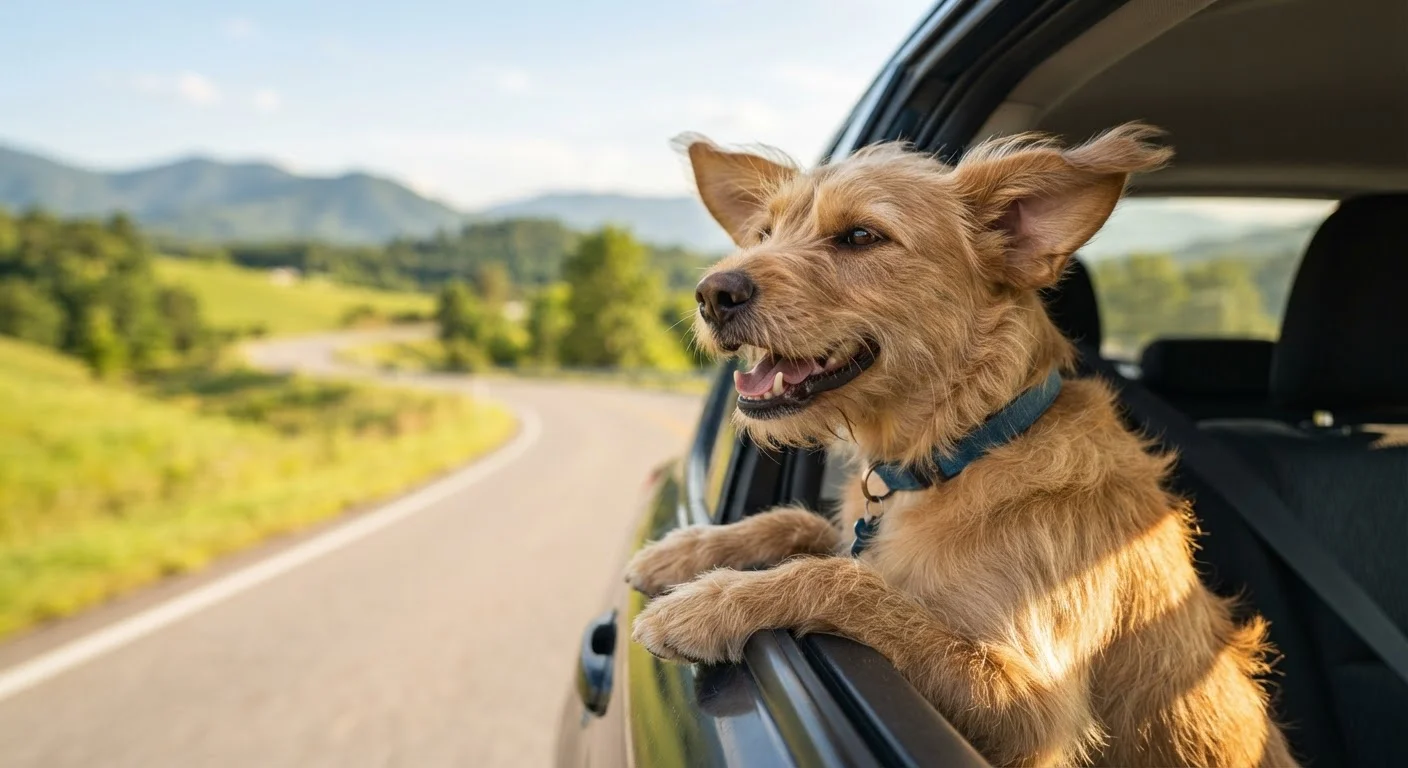
Photo: InfoAlly.net | Finding Info Made Easy editorial
Key Takeaways
- A vet check before travel helps confirm your pet is healthy enough for the journey.
- Short practice drives reduce anxiety for pets new to car travel.
- Familiar scents and items from home help pets settle in unfamiliar places.
- Never leave a pet unattended in a parked vehicle, especially in warm weather.
- Hydration, rest breaks, and routine are your greatest tools on any trip.
Before You Leave: Planning for a Smooth Trip
The first time you pack up your pet alongside your own bags, it's easy to feel both excited and quietly anxious. That mix of emotions is completely normal - and a little planning transforms the experience for everyone involved.
Start with a vet visit. Before any trip, a quick check-in with your veterinarian confirms your pet is healthy, up to date on vaccinations, and free of any conditions that could be complicated by travel. This is also the right moment to ask about motion sickness signs or anxiety management if you have concerns. See the Pet Health & Care hub for broader guidance on keeping your companion in good shape year-round.
Practise before the big day. If your pet has never been in a car, brief, positive practice sessions - even just sitting in a parked car with the engine off - can reduce stress considerably. Gradually build up to short drives before your actual trip. This is especially valuable for cats, who often have less exposure to vehicles than dogs do.
Motion sickness
A feeling of nausea caused by the sensory conflict between movement felt by the body and what the eyes see. Pets - especially young animals - can experience this in moving vehicles.
Carrier acclimation
The process of gradually getting a pet comfortable with their travel carrier before a trip, so the carrier feels safe and familiar rather than stressful.
Microchip registration
A microchip implanted under a pet's skin contains a unique ID number. Registration links that number to the owner's contact details in a database, making it possible to reunite lost pets with their families.
Travel anxiety
Stress or fearful behaviour triggered by unfamiliar movement, sounds, or environments. Signs may include panting, vocalising, trembling, or attempts to hide.
Update ID and microchip details. Confirm that your pet's collar tag displays current contact information, and check that any microchip registration is linked to an active phone number. Unfamiliar environments increase the small but real risk of a pet becoming lost.
Packing Essentials for Your Pet
Pets thrive on routine, and bringing the right items from home gives them an anchor of familiarity in a new environment.
- Food and water from home: Sudden changes in water source or diet can upset a pet's digestion. Carry enough of their regular food for the entire trip, plus a little extra.
- Familiar bedding or a favourite toy: Scent is deeply comforting for animals. A blanket or toy that smells like home can meaningfully ease settling-in time.
- Health records: Carry a copy of vaccination records, especially if you're crossing state lines or staying at pet-friendly accommodation that may request them.
- First-aid basics: A simple pet first-aid kit - gauze, adhesive bandage, antiseptic wipes, and your vet's contact number - is worth having on hand.
- Collar, leash, and carrier: Even if your pet is well-trained at home, a leash is essential in unfamiliar territory. Cats should always travel in a secure, well-ventilated carrier.
Let Your Pet Explore the Carrier Early
For new pet owners still building everyday routines, the foundational training guide offers helpful context on building calm, confident habits that carry over into travel situations.
On the Road: Keeping Your Pet Calm and Safe
Travel days require a bit more attentiveness than a typical afternoon at home - but they don't have to be stressful.
Restrain your pet safely. An unrestrained pet in a moving vehicle is a hazard for everyone. Dogs do well in a crash-tested harness clipped to the seatbelt system, a secured travel crate, or behind a vehicle barrier. Cats should remain in their carrier, positioned on the back seat or floor where it cannot slide.
Never Leave a Pet in a Parked Car
Plan rest stops thoughtfully. Roughly every two hours is a sensible guideline for dogs - enough time for a short walk, water, and a bathroom break. Keep your pet on a leash at all times during stops, even in seemingly quiet areas.
Watch for signs of discomfort. Yawning, drooling, restlessness, or vocalising can indicate motion sickness or anxiety. If your pet shows significant distress, pull over safely, offer reassurance, and allow them to settle before continuing. Speak with your vet if this is an ongoing concern - there are options available that go beyond simply enduring the discomfort.
Staying Away From Home: Settling In
Arriving somewhere new is often the most disorienting part of the experience for a pet. Give them time - and space - to adjust at their own pace.
Set up a familiar corner first. Before you unpack your own bags, arrange your pet's bed, food bowl, and a couple of familiar toys in one spot. This small act signals to them that this temporary space has a place for them too.
If your pet has strong feelings about territory and personal space - something explored thoughtfully in our piece on how pets experience home differently - consider limiting access to one or two rooms at first and expanding gradually as their confidence grows.
Maintain your usual routine as closely as possible. Feeding times, walk times, and play sessions act as reliable cues that help animals regulate their stress response. Even a loosely preserved schedule makes a meaningful difference.
Be patient with regression. Some pets - particularly those newer to structured living - may temporarily revert to behaviours they had previously moved past. This is common and usually short-lived. Quiet reassurance, consistency, and a calm demeanour from you are the most effective tools at your disposal.
First trips are learning experiences for both of you. Each journey teaches you a little more about what your companion needs - and builds the kind of easy, trusting partnership that makes future adventures genuinely something to look forward to.
This article is for general informational purposes only and is not a substitute for professional veterinary advice. Always consult a qualified veterinarian before making decisions about your pet's health, medications, or travel suitability.
Frequently Asked Questions
The content on this site is for informational purposes only and is not a substitute for professional advice. Always consult a qualified professional for guidance specific to your situation.