
Secondhand and Vintage Shopping: What New Buyers Often Misunderstand

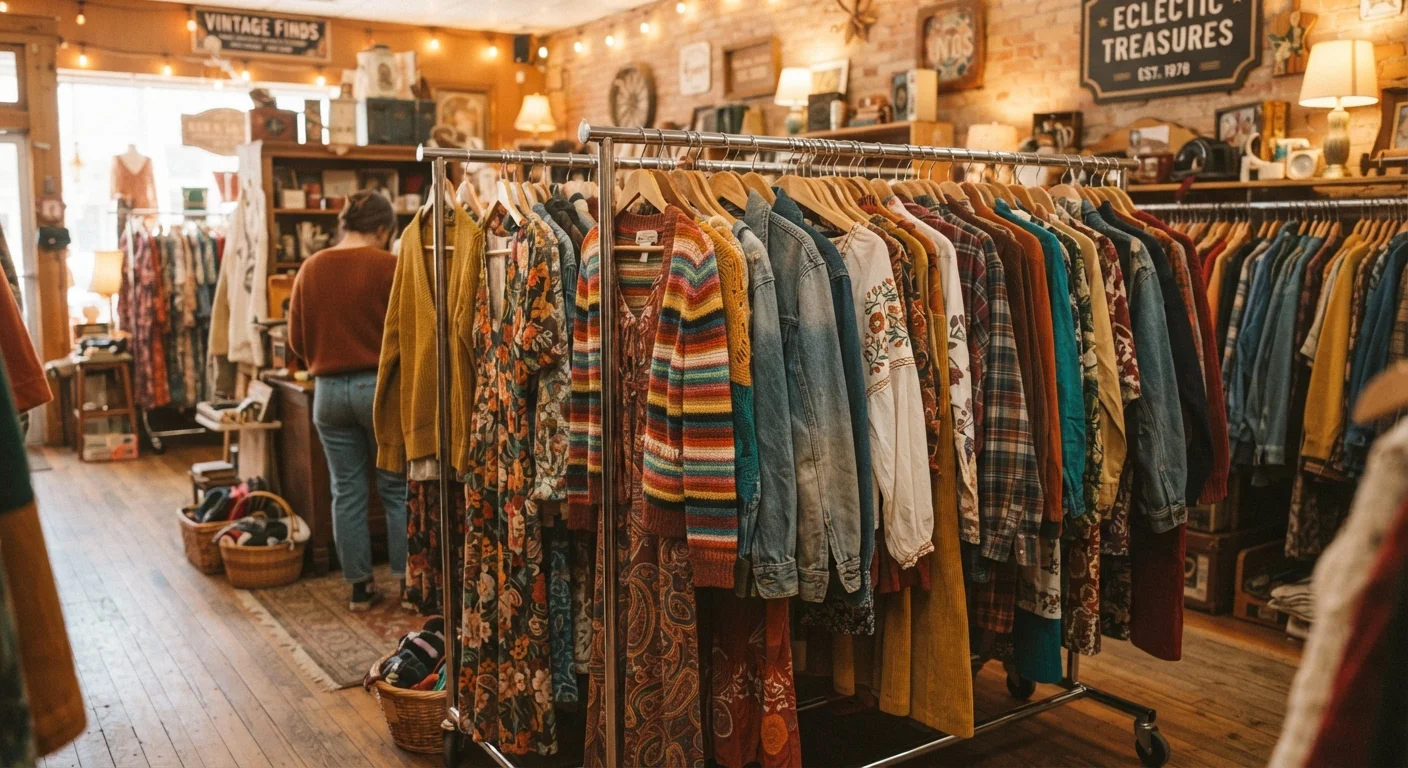
Photo: InfoAlly.net | Finding Info Made Easy editorial
Key Takeaways
- Secondhand shopping has a real learning curve - unrealistic expectations are the biggest barrier.
- Vintage sizing differs significantly from modern sizing, requiring hands-on measurement.
- Condition assessment is a skill that improves with practice; knowing what to look for matters.
- Thrift stores and vintage shops serve different markets with very different pricing logic.
- Building a secondhand wardrobe takes time - consistency beats single treasure-hunt trips.
Why Thrifting Trips Up First-Timers
Secondhand and vintage shopping has surged in popularity, and for good reason - it offers a way to build a distinctive wardrobe while making more intentional purchasing decisions. But the gap between the romanticized idea of thrifting and the actual experience catches a lot of newcomers off guard.
Most first-timers walk in expecting to find exactly what they want, in their size, at a low price, on their first visit. That rarely happens. The stores that reward regular shoppers do so because those shoppers understand the rhythm of the inventory: how often items are rotated, which sections are worth a slow look, and what condition signals to watch for. If you go in without that context, the experience can feel overwhelming or disappointing.
Understanding the most common misconceptions - before you shop - makes a real difference. It shifts thrifting from a frustrating guessing game to a genuinely enjoyable habit. For a broader foundation on intentional purchasing, habits that keep spending aligned with your values is worth reading alongside this.
Assuming vintage sizes match modern size labels.
Expecting thrift stores to be reliably cheap across all categories.
Overlooking fabric and construction quality when assessing condition.
Going in without a clear sense of what you already own.
Giving up after one or two unproductive visits.
Setting Yourself Up for Success
The buyers who thrive in secondhand markets share a few consistent traits: they know their measurements (not just their size label), they visit regularly rather than relying on single big hauls, and they've taken time to learn basic garment terminology. If terms like drape, silhouette, or colorway feel unfamiliar, the fashion terminology guide is a solid starting point.
77%
Shoppers open to buying secondhand
According to ThredUp's Resale Report, a large majority of US consumers now say they are open to buying secondhand clothing, reflecting mainstream acceptance of thrifting.
3x
Faster growth vs. traditional retail
The secondhand apparel market has consistently grown at a pace outstripping conventional retail, driven by environmental awareness and value-conscious shopping.
It also helps to clarify what you're actually shopping for before you go. Thrift stores and vintage boutiques are fundamentally different environments. A charity thrift store rotates donated inventory constantly and prices items broadly - great for everyday basics and unexpected finds. A curated vintage shop has done the curation work for you and prices accordingly. Neither is better; they serve different needs.
Finally, approach condition honestly. A small repair you're willing to make is very different from structural damage you're hoping won't matter. If you're weighing secondhand clothing against new items more broadly, the thinking in new vs. refurbished trade-offs applies in useful ways to fashion purchases too.
Wash Before You Wear - Every Time
The content on this site is for informational purposes only and is not a substitute for professional advice. Always consult a qualified professional for guidance specific to your situation.