
Fashion Terminology Every Shopper Should Recognize

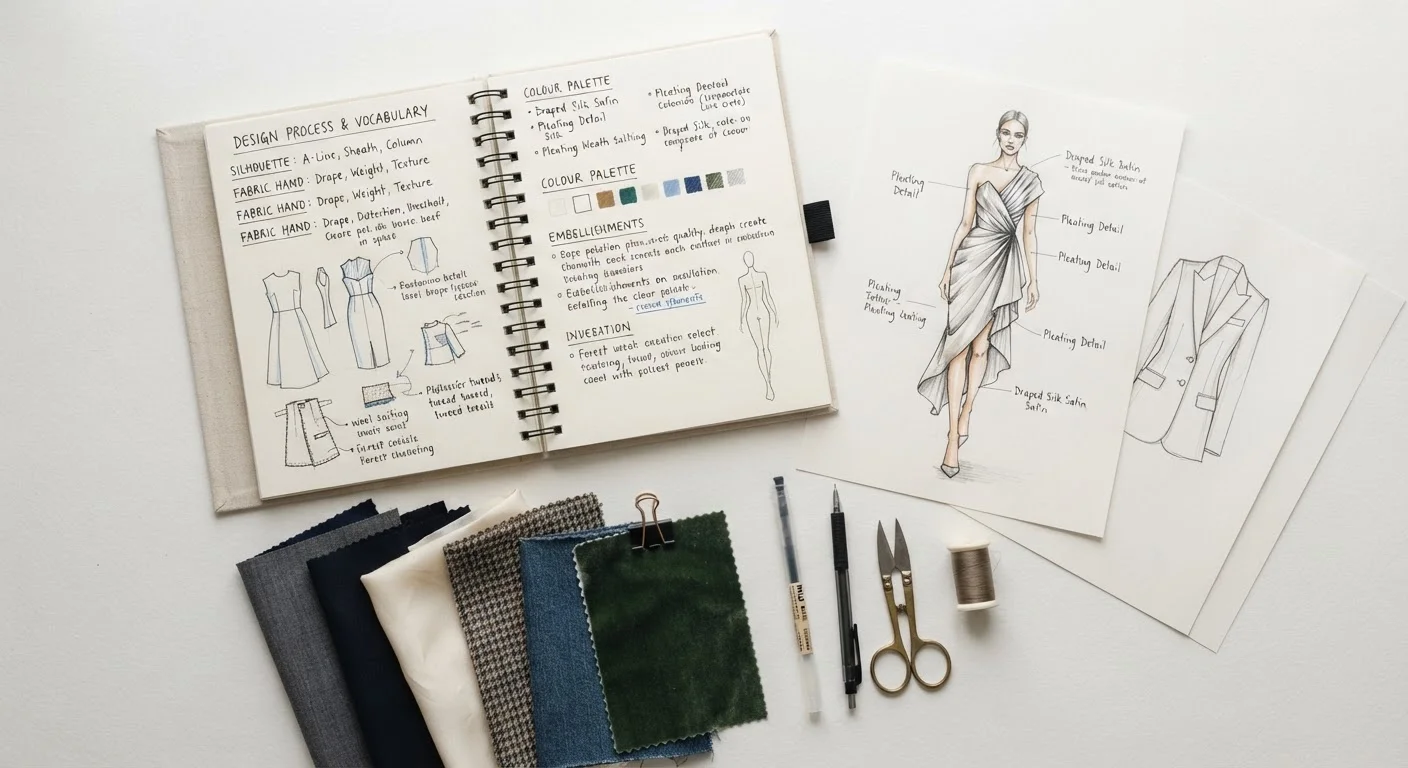
Photo: InfoAlly.net | Finding Info Made Easy editorial
Why Fashion Vocabulary Actually Matters
Walk into a boutique, scroll through a style blog, or read a garment tag - and you'll run into words like drape, colorway, and silhouette tossed around as if everyone already knows what they mean. They're not gatekeeping jargon; they're genuinely useful shorthand for describing how clothes look, feel, and fit. Once you speak the language, you'll shop with more intention, style your outfits more deliberately, and waste less money on pieces that don't quite work the way you hoped.
This glossary breaks down the terms that come up most often - whether you're browsing a retailer, reading a style guide, or scrolling runway recaps. Think of it as your personal translation tool for the fashion world. For a deeper dive into how these concepts show up in everyday dressing, see our guide to fabric, fit, and finish - it's a great companion to this glossary.
Silhouette
The overall shape or outline a garment creates on the body. Common silhouettes include A-line (narrow at the top, flared at the hem), column (straight and slim), and boxy (loose and angular). Silhouette is one of the first things the eye registers in an outfit.
Drape
How a fabric falls and moves when worn. A fabric with good drape flows softly against the body (think silk or viscose); one with poor drape may hold a stiff or awkward shape. Drape is largely determined by the fiber content and weave of the fabric.
Colorway
The specific combination or range of colors in which a garment or collection is offered. For example, a jacket available in navy/cream and olive/rust represents two different colorways.
Fabrication
The material and construction method used to make a garment - encompassing fiber type, weave, and finish. Fabrication determines texture, weight, durability, and how the piece behaves during wear and washing.
Hem
The finished lower edge of a garment, created by folding the fabric and stitching it in place. Hem length can dramatically change a garment's formality and how it flatters different proportions.
Seam Allowance
The strip of fabric between a seam and the garment's cut edge. Generous seam allowances allow a garment to be let out (made larger) by a tailor; narrow allowances offer little room for alteration.
Colorblock
A design technique that places two or more solid, contrasting colors in distinct sections on a single garment. Colorblocking can visually elongate the body or draw attention to specific areas.
Athleisure
A style category that blends athletic-wear design (stretch fabrics, performance details) with everyday clothing aesthetics. Pieces are intended to look polished enough for casual social or work settings while retaining comfort.
Capsule Wardrobe
A curated, small collection of versatile, interchangeable garments that can be mixed and matched to create many outfits. The goal is quality and cohesion over quantity.
Bespoke
Clothing made entirely to an individual's measurements and specifications, typically by a skilled tailor. Bespoke differs from made-to-measure, which adjusts a standard pattern rather than drafting one from scratch.
Streetwear
A style rooted in skate, surf, and hip-hop subcultures, characterized by casual silhouettes, graphic elements, and limited-release drops. It has significantly influenced mainstream fashion over recent decades.
Deconstructed
A design approach that exposes or subverts traditional garment construction - leaving seams visible, removing conventional linings, or leaving edges unfinished as deliberate stylistic choices rather than signs of poor quality.
Key Terms at a Glance
Beyond the definitions above, a few additional terms show up constantly in fashion coverage and deserve quick context.
| Most impactful style element | Fit - how a garment conforms to the body |
| Silhouette categories | A-line, column, boxy, wrap, balloon, and more |
| What 'drape' depends on | Fiber content, weave density, and finishing treatments |
| Capsule wardrobe typical size | 30-37 versatile, interchangeable pieces (a common guideline) |
| Colorway vs. color | Colorway describes the full color combination; color describes a single hue |
| Bespoke vs. made-to-measure | Bespoke = pattern drafted from scratch; made-to-measure = existing pattern adjusted |
Silhouette is probably the single most useful word in your new vocabulary. When shopping, ask yourself: does this silhouette suit my body and my lifestyle? A boxy, oversized silhouette might pair beautifully with slim trousers; a voluminous skirt silhouette might need a tucked-in, fitted top to balance proportions. Understanding silhouette turns guesswork into a deliberate choice.
The concept of colorway is especially handy when a piece you love is sold out in one shade - knowing how to search by colorway helps you find the same garment in a related hue. Meanwhile, drape explains why the same style in silk feels elegant while the polyester version falls flat. If you're curious how these concepts connect to seasonal shopping habits, our fashion calendar explainer maps it all out.
Fashion Terms Change Over Time
Terms like streetwear and athleisure have also entered everyday fashion conversation. Both started as subcultural or functional categories and have since shaped mainstream retail. If you want the full backstory, streetwear's rise from subculture to mainstream traces how that happened. And when you're ready to apply these terms in practice, transitional dressing strategies show exactly how silhouette, drape, and fabrication choices work together across changing seasons.
The content on this site is for informational purposes only and is not a substitute for professional advice. Always consult a qualified professional for guidance specific to your situation.