
The Fashion Calendar Explained: From Runway Season to Retail Rack

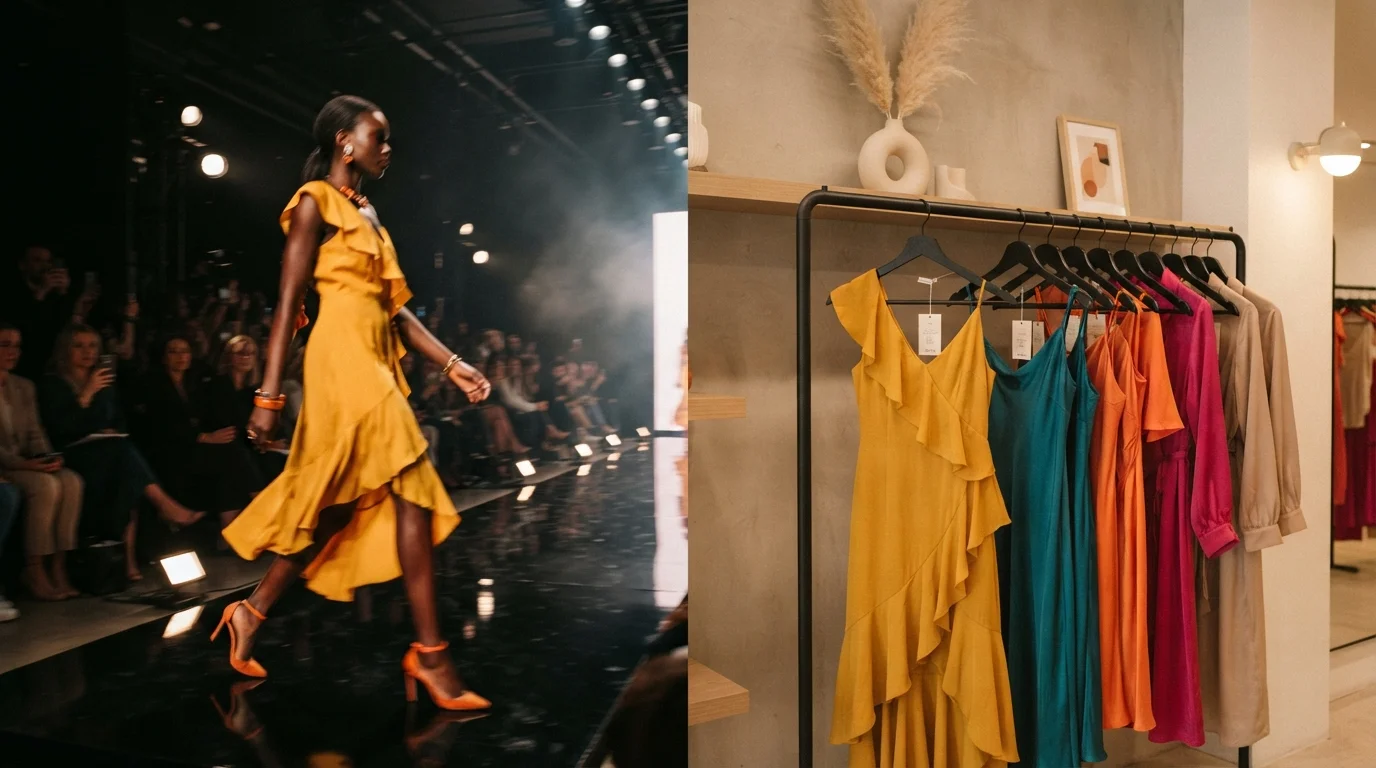
Photo: InfoAlly.net | Finding Info Made Easy editorial
Key Takeaways
- Retail stores stock clothing roughly 6 months ahead of the weather you'd actually wear it in.
- The four main Fashion Weeks - New York, London, Milan, Paris - set the creative direction for an entire season.
- Pre-Fall and Resort collections were created to keep retail floors fresh between the two primary seasons.
- Fast fashion brands compress the traditional timeline dramatically, sometimes from concept to store in weeks.
- Understanding the calendar helps you shop smarter and time purchases to your actual needs.
How the Six-Month Pipeline Actually Works
Picture the fashion industry as a river with several dams built into it. Water - in this case, clothing - is released in controlled surges, not a steady flow. Designers create a collection about a year before it reaches shoppers. They present it at Fashion Week roughly six months before retail delivery. Manufacturers then produce and ship the goods so stores can stock them the moment the relevant season begins on the retail calendar - which is, counterintuitively, about a season early.
So when you walk into a store in August and see corduroy trousers and chunky knits, the retailer is betting that you'll buy ahead of the weather turning cold. By the time November arrives, those racks are already making room for spring florals and lightweight linen. The pipeline never stops moving.
~6 months
Typical runway-to-retail lead time
The traditional fashion pipeline moves garments from runway presentation to store floor roughly six months after they are shown at Fashion Week.
2-4 weeks
Fast fashion concept-to-store speed
Industry analysts estimate that leading fast fashion operations can move from trend identification to finished product on the floor in as little as two to four weeks.
4 per year
Major international Fashion Weeks
New York, London, Milan, and Paris each host two Fashion Weeks annually - one for Fall/Winter collections and one for Spring/Summer.
Fashion Week: The Starting Gun
Twice a year, the fashion industry's creative output gets its first public airing across the 'Big Four' fashion weeks. The circuit runs from New York to London, then Milan, and finally Paris - each city projecting a distinct aesthetic identity. New York tends toward accessible sophistication; London leans experimental; Milan anchors luxury tailoring; Paris sets the global tone for haute couture and conceptual design.
February's shows reveal Fall/Winter collections. September's shows unveil Spring/Summer. Editors, buyers, and now social media audiences consume these runway presentations - and the looks that generate the most buzz begin their journey from sketch to store.
“Fashion is not something that exists in dresses only. Fashion is in the sky, in the street; fashion has to do with ideas, the way we live, what is happening.”
— Coco Chanel, Pioneering fashion designer and founder of the Chanel brand
Understanding this starting point helps explain why trend forecasting is a job in itself. Buyers from department stores and specialty retailers attend Fashion Week not just to admire the clothes, but to place orders. Those orders trigger the manufacturing process that delivers garments to stores months later. You can learn more about the words used to describe what you see on the runway in our fashion terminology guide.
Pre-Fall and Resort: The In-Between Seasons
The traditional two-season model left a noticeable gap: stores received new Fall merchandise in July and new Spring merchandise in January, but the months in between went stale. To solve this, brands developed intermediate collections - Pre-Fall (delivered in late summer) and Resort, also called Cruise (delivered in November or December).
Resort collections were originally conceived for affluent clients traveling to warm destinations mid-winter - think a January escape to the Caribbean. Today they've evolved into major commercial releases that account for a significant portion of luxury brands' annual revenue. For everyday shoppers, these intermediate drops are simply why something 'new' always seems to appear on retail floors every few months.
Shop Resort Drops for Versatile Pieces
If you're trying to dress for in-between weather, Resort and Pre-Fall pieces are often your best allies - they're designed for transitional conditions rather than extreme seasonal temperatures.
Fast Fashion's Parallel Universe
While the traditional calendar runs on a six-month lag, fast fashion brands operate on an entirely different clock. Instead of committing to designs a year in advance, they track emerging trends - on social media, on street-style accounts, in viral moments - and manufacture reactive pieces in as little as two to four weeks. This compressed model is why you might spot a runway silhouette in a fast fashion store before it officially lands at the designer's own retail points.
The tradeoff is well documented: speed often comes at the cost of material quality, and the constant churn contributes to significant textile waste. Here's a closer look at the mechanics behind why trend cycles repeat so reliably in that space.
Using the Calendar to Shop Smarter
You don't need to memorize industry schedules to benefit from understanding them. A few practical principles go a long way. First, if selection matters to you - you need a specific size, color, or silhouette - shop early in the season when inventory is fullest. Second, if price matters more, patience pays: end-of-season markdowns can be significant, though availability narrows.
Third, consider building a wardrobe around pieces that transcend the seasonal clock entirely. Versatile, well-constructed basics hold their relevance across multiple Fashion Week cycles, which means you're not racing to keep up with the industry's pace. Our guide to building a wardrobe for real life walks through how to do exactly that, and if you're weighing a trend-driven approach against a more classic strategy, this comparison of two wardrobe philosophies lays out the trade-offs clearly.
The fashion calendar was built for the industry - but once you understand it, you can work it to your own advantage rather than simply being carried along by it.
Frequently Asked Questions
The content on this site is for informational purposes only and is not a substitute for professional advice. Always consult a qualified professional for guidance specific to your situation.