
Transitional Dressing: Building Outfits That Work Between Seasons

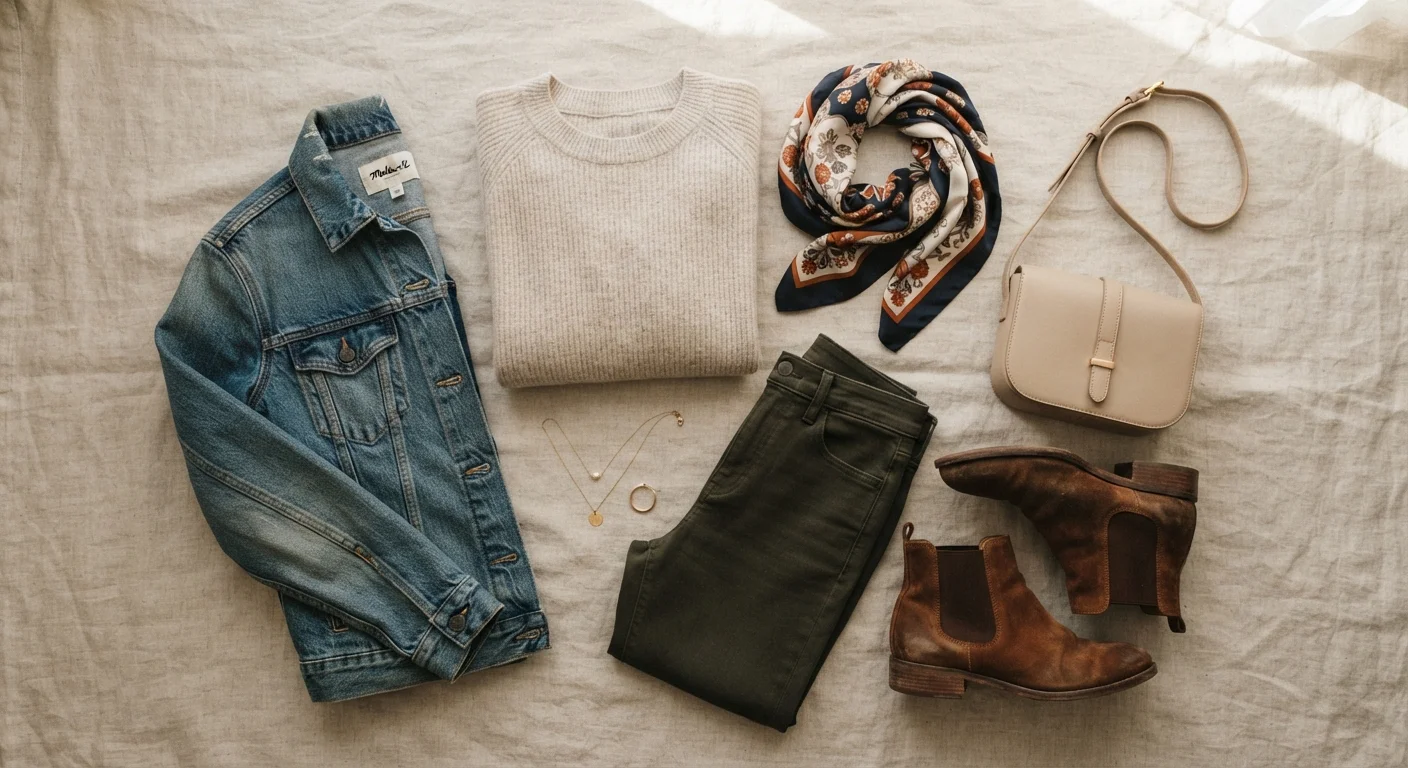
Photo: InfoAlly.net | Finding Info Made Easy editorial
Key Takeaways
- Layering with lightweight, breathable fabrics lets you adapt to shifting temperatures without bulk.
- Neutral and warm-toned palettes bridge the visual gap between seasons more naturally than stark brights.
- Transitional dressing relies on a handful of versatile anchor pieces, not a whole new wardrobe.
- Fabric weight matters more than garment type - mid-weight knits and wovens are the real workhorses.
- Accessories like scarves and lightweight cardigans can shift an outfit's season instantly.
Why In-Between Weather Is a Style Opportunity
The shoulder seasons - that blurry stretch when summer hasn't quite left and fall hasn't fully arrived, or when winter loosens its grip before spring settles in - can feel like a wardrobe puzzle. One morning it's 58°F; by afternoon it's pushing 75°F. Dressing for that kind of day requires a different kind of thinking.
Rather than treating transitional weather as an inconvenience, consider it one of the most creative dressing windows of the year. The constraints of extreme heat or cold fall away, and you gain real room to experiment with layering, texture, and color temperature. The goal isn't to predict the weather - it's to build outfits that can respond to it.
Whether you lean toward a capsule approach or a trend-forward closet, the principles here work across both philosophies. For a deeper look at those two frameworks, see Capsule Wardrobe vs. Trend-Driven Closet.
Quick Moves You Can Make Right Now
You don't need to overhaul your closet to dress better between seasons. A few targeted adjustments to what you're already wearing can make an immediate difference.
Color and Fabric: The Invisible Architecture of Transitional Dressing
Beyond layering mechanics, two quieter variables shape how well a transitional outfit reads: color temperature and fabric weight.
Color temperature refers to whether a hue reads warm (amber, rust, olive, camel) or cool (slate, dusty rose, sage, cobalt). Warm tones tend to feel seasonally grounded during fall and late summer transitions; cool tones carry spring and late winter energy. Mixing both within one outfit can actually read as intentionally transitional - a slate-blue top with a camel trench, for example, bridges the two visually.
For more on how color choices shape your overall look, understanding your personal palette is a useful next step. And if you want to experiment boldly, color blocking in everyday outfits offers a practical framework for contrast dressing.
Fabric weight is arguably more important than the garment itself. A linen shirt in October reads as seasonally off not because of the style, but because the weight signals summer. Swap that same silhouette for a brushed cotton or fine flannel and it suddenly belongs. Mid-weight wovens, ponte knits, and lightweight wool blends are the real workhorses of transitional dressing - structured enough for cooler mornings, breathable enough for warmer afternoons. Fabric, fit, and finish breaks down exactly why material choice sits at the core of any polished look.
Don't Overlook Texture Mixing
Anchoring Your Transitional Wardrobe
Transitional dressing doesn't require buying new pieces - it requires identifying the anchors already in your closet. Think of anchor pieces as items that exist outside of a single season: a well-fitted trench coat, a lightweight merino crewneck, a pair of straight-leg trousers in a neutral, a versatile midi skirt in a mid-weight fabric.
Accessories do heavier lifting than many people expect. A scarf adds warmth without committing to a heavy layer; a structured bag grounds an otherwise casual layered look; ankle boots extend the wearable life of summer dresses and light trousers alike. See how accessories communicate identity and cohesion for a closer look at how these smaller choices add up.
Finally, if you're thinking about how transitional dressing fits within your broader wardrobe strategy, building a wardrobe that works for your real life offers a practical framework for curating pieces that actually get worn - season after season.
2-3
Layers needed for full temperature flexibility
Style educators broadly recommend a base, mid, and outer layer system as the minimum architecture for dressing across a 20°F+ daily temperature swing.
~60°F
The transitional dressing "sweet spot" temperature
Outfit planning guides and personal stylists frequently cite the 55-65°F range as the window where layering strategies matter most, since neither heavy coats nor light summer pieces alone suffice.
The content on this site is for informational purposes only and is not a substitute for professional advice. Always consult a qualified professional for guidance specific to your situation.