
Streetwear's Evolution from Subculture to Mainstream Fashion

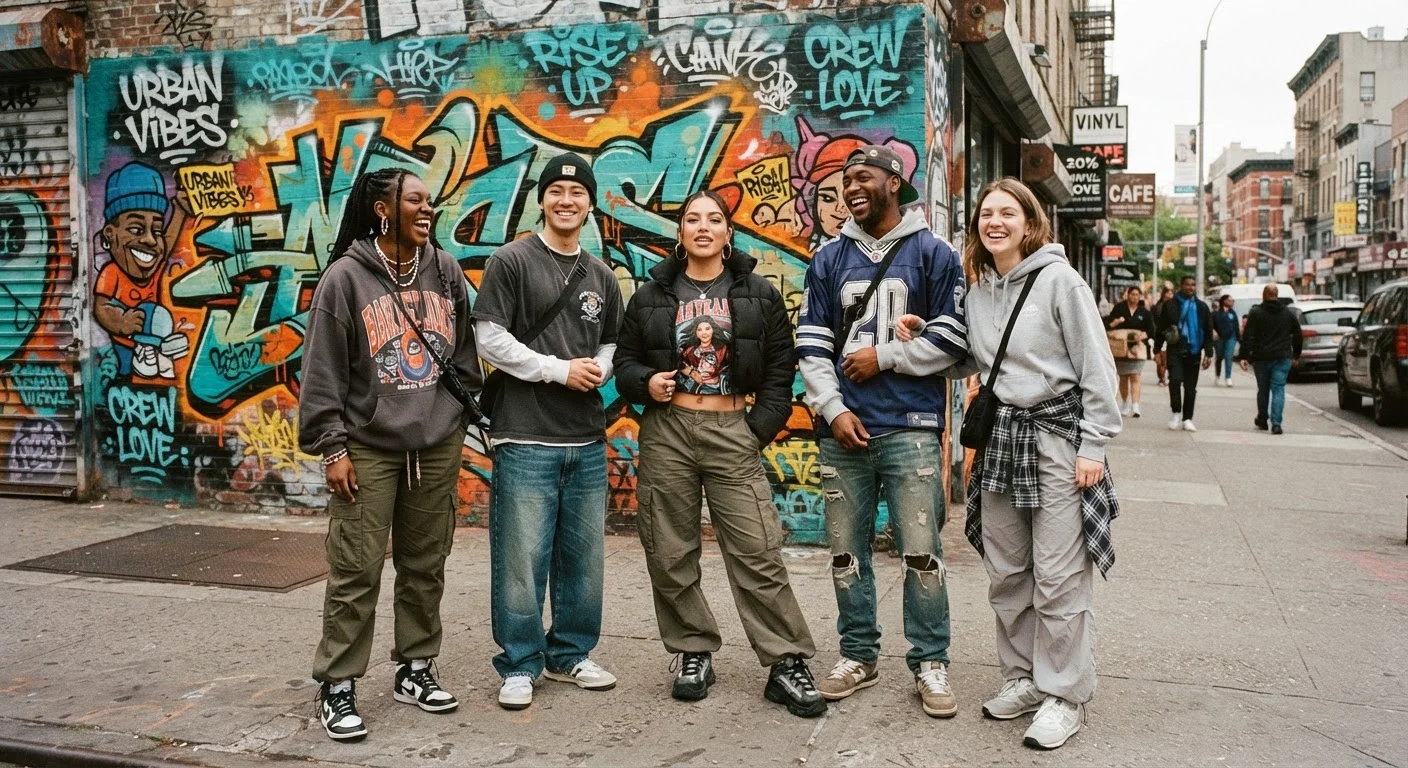
Photo: InfoAlly.net | Finding Info Made Easy editorial
Key Takeaways
- Streetwear originated in 1980s skate and hip-hop communities before reaching global fashion runways.
- Cultural credibility - not just aesthetics - drives streetwear's enduring appeal.
- Luxury fashion's embrace of streetwear blurred the line between high-end and everyday dress.
- Today's streetwear is inclusive, gender-fluid, and heavily influenced by digital communities.
- You can incorporate streetwear elements into any wardrobe without overhauling your entire closet.
Where Streetwear Began
Streetwear didn't start on a runway - it started on a sidewalk. In the late 1970s and early 1980s, surf and skate communities in Southern California developed a practical, anti-establishment uniform: loose tees, durable sneakers, and relaxed fits designed to move freely and withstand pavement. Simultaneously, the emerging hip-hop scene in New York was crafting its own visual language - tracksuits, Kangol hats, and bold logo wear that doubled as cultural identity markers.
These two streams weren't isolated. They fed each other, and they both pushed back against the formal dress codes that dominated mainstream fashion at the time. Wearing streetwear was a statement about who you were and where you stood - outside the mainstream, proud of it.
$500B+
Projected global streetwear market value
Industry analysts have estimated the broader streetwear and streetwear-adjacent apparel market could surpass $500 billion globally, reflecting its mainstreaming across demographics.
1980s
Decade streetwear coalesced as a movement
Fashion historians broadly place the emergence of streetwear as a coherent aesthetic and cultural movement in the early-to-mid 1980s in the US.
60%+
Gen Z consumers preferring casual over formal dress
Multiple consumer surveys have found strong majorities of younger shoppers prioritize comfort and casual-leaning styles over traditional formalwear in everyday contexts.
The Cultural Forces That Shaped It
Music, sport, and art were the engines. Hip-hop artists used clothing to signal authenticity and neighborhood pride, turning logo sportswear into cultural currency. Skateboarding's DIY ethos led to independently printed graphic tees and self-distributed zines that functioned as early brand-building tools - long before social media existed.
Japanese youth culture added another layer in the 1990s. Harajuku's collector mentality - hunting rare releases, treasuring limited-edition pieces - helped shape the concept of the drop: a deliberately scarce product release designed to generate demand. This mechanic would later become central to how streetwear brands operated globally.
Nostalgia and trend recycling play a significant role here too - many streetwear silhouettes from the late '80s and '90s have cycled back through mainstream retail multiple times, each time reaching a new generation.
When building a streetwear-influenced wardrobe, anchor it with neutral-toned basics and treat graphic or logo pieces as accents - not the foundation. This prevents your closet from feeling costume-like.
Pay attention to fabric weight and construction, not just silhouette. A heavier-weight cotton hoodie or a structured nylon jacket will look and wear more intentionally than a fast-fashion version of the same shape.
When Streetwear Met Luxury Fashion
The cultural pivot point came in the 2010s when established luxury houses began formally collaborating with streetwear designers and labels. Suddenly, hoodies, sneakers, and graphic-heavy outerwear were appearing in high-fashion editorial spreads and on auction blocks. This wasn't streetwear "selling out" - it was luxury fashion recognizing where genuine cultural energy lived.
Credibility Matters More Than the Label
The effect was two-directional. Streetwear gained broader visibility and production resources. Luxury fashion gained the credibility and youth relevance it had been struggling to maintain. Consumers, meanwhile, were handed a new permission: comfort and casualness were no longer concessions - they were expressions of sophistication.
This shift also changed retail behavior. The sneaker resale market, once informal, became a structured secondary economy. Collectible fashion collaborations drove the same excitement as limited-edition art prints.
What Streetwear Looks Like Today
Modern streetwear is harder to pin down than its predecessors - and that's by design. It has absorbed influences from workwear, athletic performance wear, vintage fashion, and high-fashion minimalism. The result is a broad aesthetic ecosystem rather than a single look.
Key contemporary signals include: oversized silhouettes, utility details like cargo pockets and adjustable straps, logoless "quiet luxury" adjacency, and gender-fluid proportions that reject traditional menswear and womenswear divisions. Digital communities - especially on platforms built around short-form video - now drive micro-trends within streetwear at a pace the fashion calendar can't keep up with.
Capsule wardrobe thinking and streetwear aren't as incompatible as they might seem - a core set of well-chosen, durable streetwear staples can serve as the versatile base of a real-life wardrobe.
Micro-Trends Move Fast - Pace Yourself
How to Wear It in Your Everyday Life
You don't need to follow every micro-trend to dress with streetwear sensibility. The core principle is intentional comfort: choosing pieces that feel right for your life, reflect your personality, and hold up across contexts.
Start with foundational pieces - a well-fitted graphic tee, a quality hoodie in a neutral or statement color, and a reliable sneaker silhouette. From there, building a wardrobe that actually gets worn means choosing items you'll reach for repeatedly, not just pieces that look compelling on a feed.
Accessories carry enormous weight in streetwear. A cap, a crossbody bag, or the right socks can shift an outfit's whole register. See how small accessory choices make a big statement when chosen with intention.
Finally, think about the occasions where your style choices need to flex. Bridging everyday style with occasion dressing is where streetwear's adaptability truly shines - a well-chosen layer or elevated sneaker can move an outfit from casual to polished without losing its personality.
Start Small, Layer Intentionally
The content on this site is for informational purposes only and is not a substitute for professional advice. Always consult a qualified professional for guidance specific to your situation.