
Occasion Dressing vs. Everyday Style: Bridging the Gap

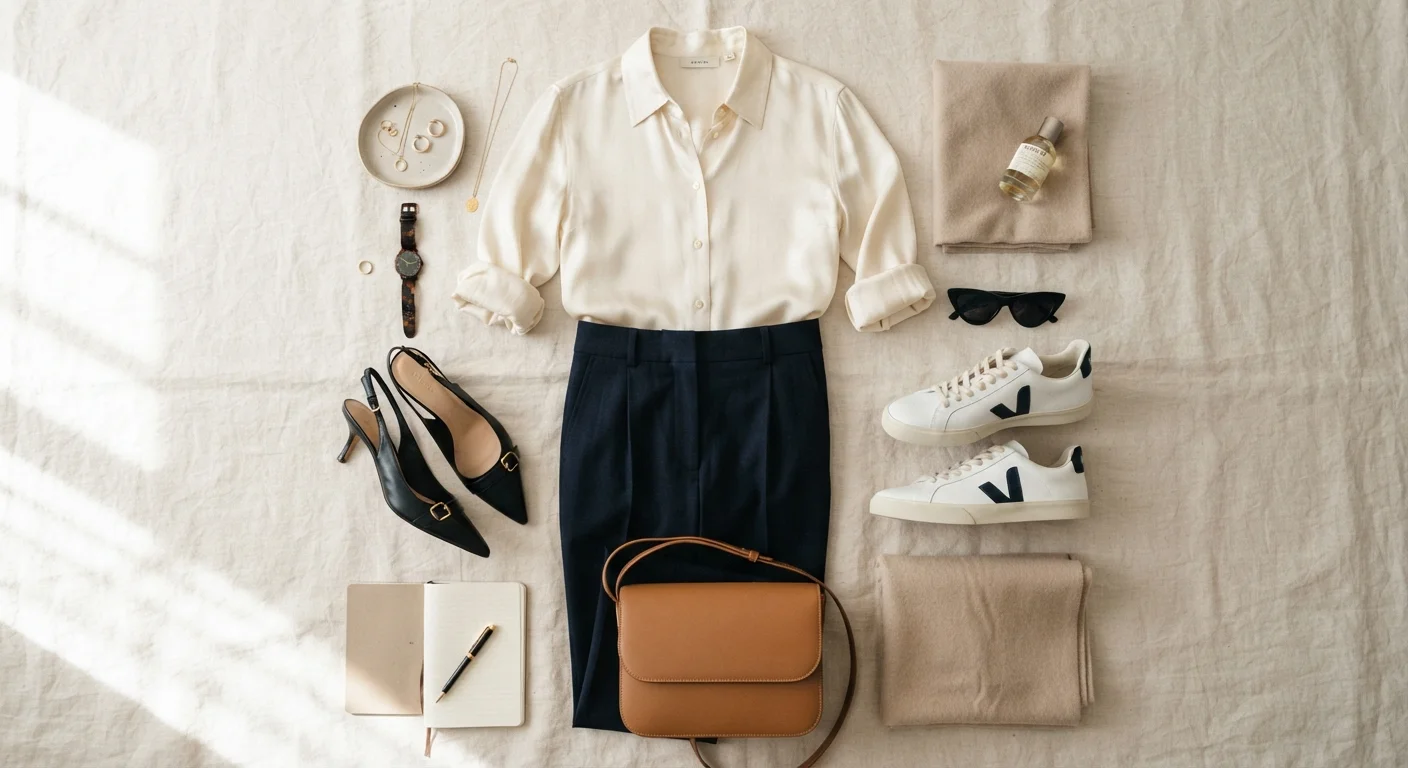
Photo: InfoAlly.net | Finding Info Made Easy editorial
Key Takeaways
- Occasion dressing and everyday style share more DNA than most people realize.
- A few versatile anchor pieces can move fluidly between formal and casual contexts.
- Understanding your personal style through both lenses leads to a more cohesive, wearable wardrobe.
- Intentional shopping habits reduce the need for a separate 'event wardrobe' altogether.
- Styling techniques - not just clothing categories - are the real bridge between the two approaches.
Why the Gap Exists in the First Place
Most of us keep two mental wardrobes: the one we actually wear and the one we pull out for weddings, job interviews, or milestone dinners. This split isn't irrational - dressing for high-stakes moments genuinely feels different from dressing for a Tuesday. But when these two categories share zero overlap, your closet fills with clothes that rarely see daylight.
The root of the divide is often psychological. Occasion dressing carries social pressure - there's an expectation to look a certain way - while everyday style can feel like an afterthought. Over time, this creates a wardrobe where your most interesting pieces never interact with your most-worn pieces, and neither category feels complete.
Understanding this dynamic is the first step toward a more unified approach to getting dressed. See how intentional dressing can reshape these habits over time.
| Occasion Dressing | Everyday Style | |
|---|---|---|
| Primary goal | Make an impression for a specific event | Reflect personality in daily life |
| Outfit planning | Event-driven, planned in advance | Spontaneous, routine-based |
| Versatility | Often limited to specific contexts | Broad, context-flexible |
| Investment per wear | Higher cost per wear if rarely used | Lower cost per wear over time |
| Style expression | Heightened, elevated version of self | Authentic, consistent day-to-day self |
| Risk of wardrobe waste | Higher - items may sit unused | Lower - items get regular use |
What Each Approach Does Well
Occasion dressing encourages you to think deliberately about silhouette, fabric quality, and the overall statement an outfit makes. When you're choosing what to wear to a formal dinner, you naturally consider proportion, color, and how pieces interact - skills that sharpen your style instincts overall. The challenge is that many people treat these skills as exclusively special-occasion tools.
Everyday style thrives on wearability, comfort, and self-expression. Repeated daily use reveals what actually fits your life and body - you learn quickly what works without overthinking. The downside is that without intentional curation, everyday wardrobes can drift toward pure utility, losing any sense of personal aesthetic.
The sweet spot is borrowing the deliberateness of occasion dressing and the practicality of everyday style simultaneously. Building a wardrobe that works for your real life means applying both lenses at once.
Try the 'Double-Duty' Shopping Test
Anchor Pieces That Bridge Both Worlds
The most effective strategy for closing the gap is identifying true bridge pieces - garments that hold their own in elevated settings but integrate naturally into daily rotation. Think tailored wide-leg trousers, a structured blazer in a neutral or rich tone, a quality knit midi dress, or a leather loafer. These items dress up or down with minimal effort.
Statement accessories can also serve as bridges. A pair of sculptural earrings or a considered belt can transform an everyday outfit into something occasion-ready without changing the core clothing. For a closer look at when this works - and when it backfires - see our piece on anchoring an outfit around one statement piece.
The key is shopping with both contexts in mind. Before adding something to your wardrobe, ask: can I wear this at least two distinct ways - one casual, one elevated? If the answer is no, it may belong in only one mental wardrobe rather than serving as a connective piece.
~60%
Of wardrobe items rarely or never worn
Various closet audit studies suggest the majority of clothes in an average wardrobe go unworn in any given year, often due to poor versatility.
3-5x
More cost-per-wear value from versatile pieces
Style educators commonly cite the cost-per-wear formula as evidence that versatile wardrobe pieces deliver significantly more value than single-use occasion items.
Styling Techniques That Do the Heavy Lifting
Closing the occasion-everyday gap is as much about how you wear clothes as what you wear. A few reliable techniques:
- Fabric elevation: Swapping a cotton T-shirt for a silk or satin shell under the same blazer shifts the register of an entire outfit.
- Fit refinement: Tailoring everyday basics - even minor sleeve or hem adjustments - gives them occasion-ready polish.
- Layering intentionally: A structured outer layer over casual separates reads as put-together in almost any setting. Layering principles for transitional dressing apply equally to dressing between contexts.
- Shoe strategy: Footwear does disproportionate work in signaling formality. Swapping sneakers for a block-heeled mule under the same outfit shifts it from casual to occasion-ready.
Building these habits into your regular routine means you're never caught flat-footed when an event arrives. Your everyday style becomes a foundation rather than a starting-from-scratch problem.
If you're evaluating how much wardrobe space to devote to each approach, exploring the capsule vs. full wardrobe philosophies can help clarify your priorities.
This article is for informational and editorial purposes only. Individual style choices are personal and subjective; what works for one wardrobe may not suit another.
The content on this site is for informational purposes only and is not a substitute for professional advice. Always consult a qualified professional for guidance specific to your situation.