
How Smartphones Became the Hub of the Modern Morning Routine

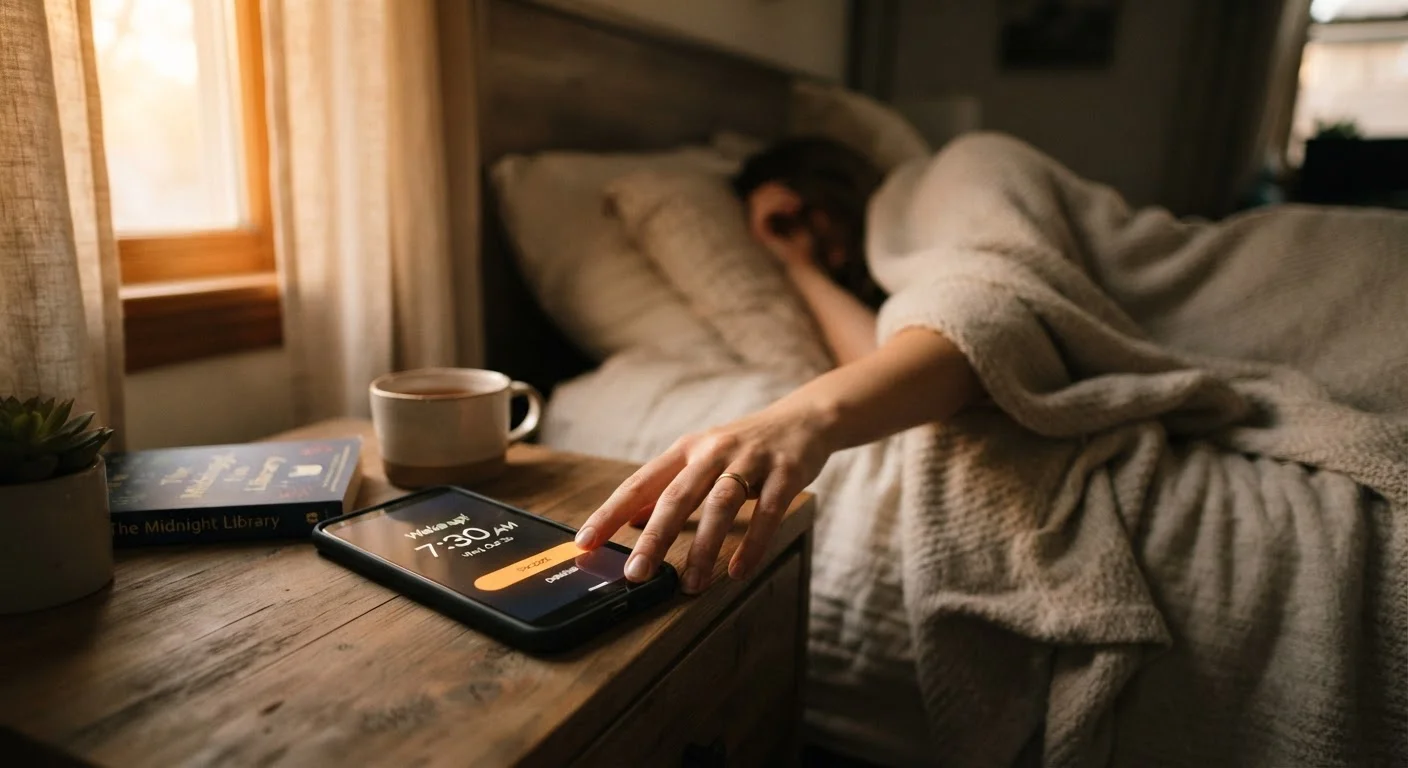
Photo: InfoAlly.net | Finding Info Made Easy editorial
Key Takeaways
- Smartphones have replaced multiple single-purpose devices - alarm clocks, radios, planners - for most users.
- Morning phone use typically combines health tracking, communication, news, and scheduling in a single session.
- Wearables like smartwatches extend phone functionality but don't fully replace it during morning routines.
- How you set up your phone's morning environment significantly affects focus and stress levels throughout the day.
- Intentional use - choosing which apps and notifications greet you - makes a meaningful difference in morning quality.
From Alarm Clock to All-in-One: How the Phone Took Over Mornings
Not long ago, a typical bedside table held several separate devices: an alarm clock, maybe a radio, and a notepad for jotting down thoughts. Today, most of those items have been replaced by one object - the smartphone. This consolidation didn't happen overnight, but it's now so embedded in daily life that many people can't recall the last time they used a standalone alarm clock.
The shift began gradually as smartphones added reliable alarm functions, then music streaming, then weather updates pulled automatically based on location. Each feature absorbed a task that once required a separate device or habit. The phone became indispensable not because it forced itself into the morning routine, but because it kept proving more convenient than the alternatives.
This is part of a broader pattern explored in our overview of phones and wearables in modern life, where single devices increasingly serve multiple lifestyle roles simultaneously.
~80%
Americans who check phone within an hour of waking
According to survey research cited by the American Psychological Association, a large majority of US adults report checking their phones very early in their morning.
4-5
Average distinct app categories used in morning sessions
Usage pattern studies from mobile analytics firms consistently show that morning phone sessions span communication, news, health, and productivity apps within a short window.
70%+
Smartphone owners using phone as primary alarm clock
Consumer surveys in the US indicate that a strong majority of smartphone users have replaced standalone alarm clocks entirely with their phone's built-in alarm function.
What a Typical Smartphone Morning Actually Looks Like
For most users, the morning phone session follows a recognizable pattern. The alarm goes off - or a smartwatch taps the wrist - and within minutes, the phone is unlocked. Sleep tracking data from a paired app or wearable might appear first. Then comes a weather check, followed by a scan of unread messages and, for many, a headline scroll.
By the time someone sits down for breakfast, their phone may have already served as an alarm, a fitness log, a news source, a calendar reminder, and a communication tool. This compression of tasks into a short window is both the appeal and the challenge of the smartphone morning routine.
Wearables play a supporting role here. A smartwatch or fitness tracker can surface key data - heart rate, sleep stages, step goals - without requiring the user to unlock a phone. But these devices typically feed information back to the phone, which remains the primary screen for acting on that data. Our guide to smartwatches versus fitness trackers breaks down exactly where each device fits in routines like this.
Designing a More Intentional Morning Phone Routine
The phone's versatility is also its risk. Without any deliberate structure, the morning session can drift from a useful check-in into an unfocused scroll that leaves people feeling behind before the day has started. The solution isn't necessarily to use the phone less - it's to use it with more intention.
A practical starting point is notification auditing. Most phones allow users to schedule a "do not disturb" window that lifts only at a specific time in the morning, filtering out everything except the most urgent alerts. This means the first thing seen on the screen is chosen, not pushed by an algorithm.
App placement also matters. Keeping morning-relevant apps - alarm, weather, calendar, health summary - grouped together reduces the chance of accidentally tumbling into social media or email before you're ready. Think of it as designing a morning dashboard on the device you already carry.
It's also worth recognizing that smartphone habits evolve across life stages. Our article on how wearable usage shifts across life stages shows how priorities - and therefore morning routines - change as people age, which is a useful lens for evaluating your own setup.
Design Your Morning Screen Before You Need It
Security and Privacy in Your Morning Routine
When a phone is the first and last thing you interact with each day, it holds an unusually complete picture of your life - sleep patterns, location, health metrics, messages, and financial apps. This makes morning a good moment to think about how that data is protected.
Simple habits go a long way. Using a strong screen lock, enabling app-level permissions carefully, and keeping the operating system updated are the basics. For a deeper look at practical steps, our guide to smartphone security without the complexity walks through what actually matters for everyday users - no technical background required.
The morning routine is also a useful lens for evaluating what your phone really needs to do. Not every marketed feature contributes meaningfully to daily life, and our breakdown of overhyped smartphone features can help you separate what's genuinely useful from what's just spec-sheet noise.
This article is for general informational purposes only and does not constitute medical, financial, or professional advice. For concerns about screen time, sleep health, or related topics, consult a qualified healthcare professional.
Frequently Asked Questions
The content on this site is for informational purposes only and is not a substitute for professional advice. Always consult a qualified professional for guidance specific to your situation.