
What Roadside Assistance Actually Covers - and Where It Falls Short

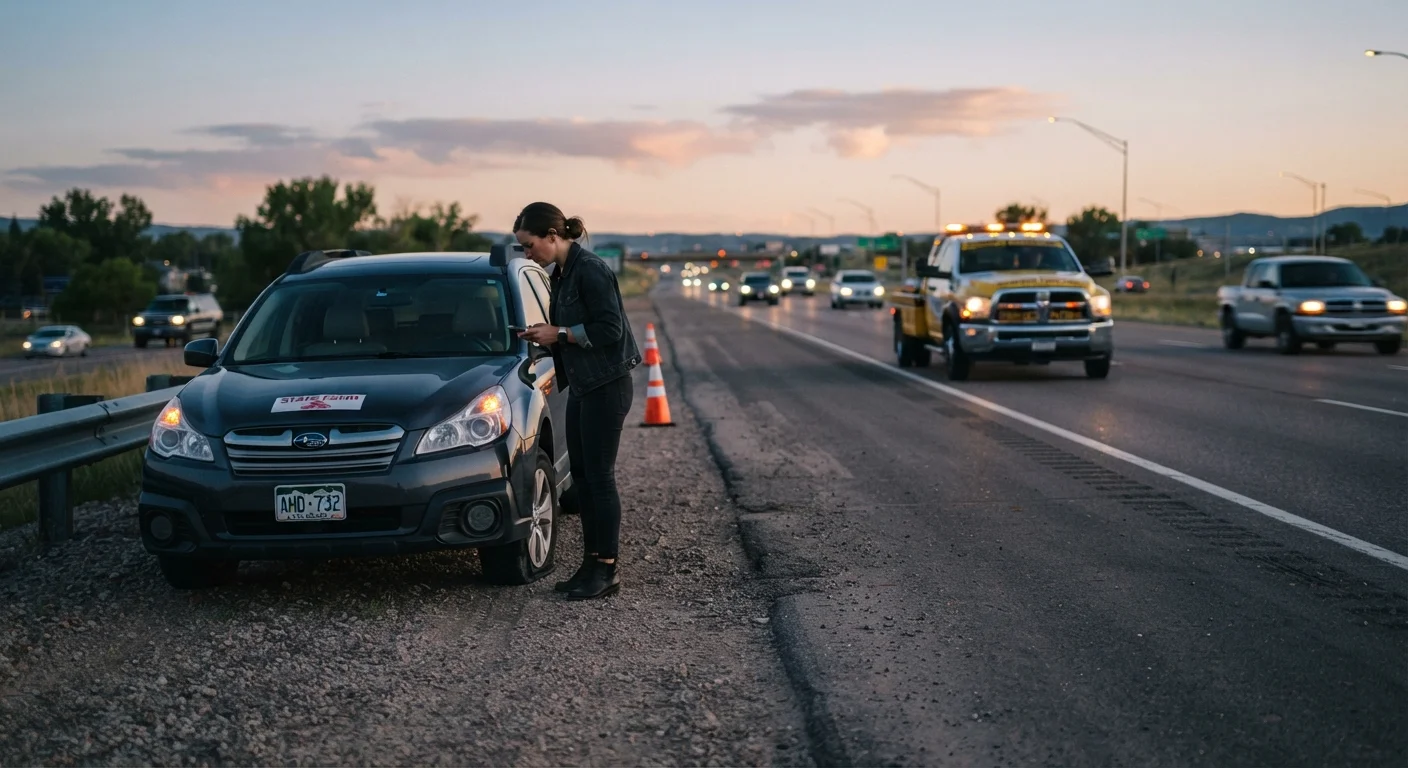
Photo: InfoAlly.net | Finding Info Made Easy editorial
Key Takeaways
- Roadside assistance covers emergency dispatch services, not the underlying repairs to your vehicle.
- Towing distance limits are one of the most common ways drivers get caught with unexpected out-of-pocket costs.
- Coverage terms vary significantly between auto club plans, insurer add-ons, and manufacturer warranties.
- Some plans exclude off-road breakdowns, commercial use, or vehicles over a certain weight.
- Reading the fine print on service limits and per-incident caps can prevent costly surprises.
What Roadside Assistance Is - and Isn't
Roadside assistance is widely available, frequently bundled into auto policies, and easy to forget about until you're stranded. That's exactly when its limitations tend to surface.
The core function is dispatch: the plan sends a service provider to your location. What it does not do is cover the cost of whatever went wrong with your vehicle in the first place. If your transmission fails and the tow gets you to a shop, the repair bill is entirely separate. Understanding this distinction upfront prevents the frustrating assumption that having a plan means all breakdown costs are handled.
Plans come from several sources - dedicated auto clubs, optional add-ons to car insurance policies, new-vehicle manufacturer programs, and some credit card benefits. Each source structures its coverage differently, with varying service limits, geographic restrictions, and per-incident caps.
Roadside Assistance vs. Mechanical Breakdown Insurance
Core Services Most Plans Include
While terms vary, most roadside assistance plans cover a baseline set of services:
- Towing: Transport to the nearest qualified repair facility, subject to a mileage cap.
- Battery jump-start: A technician jumps your battery. If the battery needs replacement, that cost is yours.
- Flat tire change: The technician swaps in your spare. If you have no spare or a non-functional one, you'll typically need a tow instead.
- Fuel delivery: A small amount of fuel is delivered to get you moving. Many plans charge for the fuel itself even if the delivery is free.
- Lockout service: A locksmith is dispatched to open your vehicle. Key replacement or lock repair is rarely included.
- Winching: Extraction if your vehicle is stuck in mud or snow near a roadway - though off-road extraction is frequently excluded.
~69M
Roadside service calls handled annually in the US
The American Automobile Association (AAA) reports handling tens of millions of service requests each year, reflecting how commonly drivers experience unexpected breakdowns.
1 in 3
Drivers who experience a vehicle breakdown each year
Industry surveys consistently find that a significant share of US drivers face at least one roadside event annually, underscoring the practical value of understanding plan terms in advance.
$75-$125
Typical out-of-pocket tow cost beyond plan limits
Per-mile towing charges beyond a plan's covered distance can add up quickly, with industry estimates suggesting average excess towing costs in this range for a moderate overage.
Where Plans Commonly Fall Short
The gaps in roadside assistance coverage are where drivers experience the most frustration. Towing limits are the single most common source of surprise costs. A plan advertising "free towing" may only cover the first 10 miles; if the nearest competent shop for your vehicle is 40 miles away, you're paying per mile for the remainder.
Other notable gaps include:
- Incident limits: Most plans cap service calls at three to five per year. Frequent breakdowns can exhaust coverage quickly.
- Vehicle eligibility: Some plans exclude vehicles over a certain weight, RVs, motorcycles, or cars used for commercial purposes.
- Off-road locations: Many plans only apply if your vehicle is on or immediately adjacent to a public road. Private property or trail breakdowns may not qualify.
- Secondary vehicle coverage: Plans tied to one registered vehicle don't automatically extend to a second household car or a rental.
Just as warranties carry exclusions that aren't obvious at a glance, roadside plans have fine print that rewards careful reading before a crisis occurs.
Check Your Coverage Before You Need It
How to Evaluate Your Current Coverage
Start by identifying every source of roadside assistance you may already have. Overlapping coverage is common and typically provides no added benefit - you can only use one plan per incident. Check your auto insurance declarations page, your vehicle's owner's manual for manufacturer programs, and any credit cards in your wallet.
Once you know what you have, compare it against a few practical questions: What is the towing mileage limit? How many incidents are covered per year? Does coverage follow you or the vehicle? Are there geographic restrictions for travel outside your home state?
If you find your current coverage is thin - for example, a short towing radius in an area with few repair shops - it may be worth reviewing whether a standalone plan or an upgraded tier addresses the gap. This falls into the same category of careful reading that applies to auto financing agreements: the terms that seem minor upfront can carry real consequences later.
This article is for general informational purposes only. Coverage terms vary by provider and plan. Always review your specific policy documents and contact your provider directly with questions about your coverage.
Frequently Asked Questions
The content on this site is for informational purposes only and is not a substitute for professional advice. Always consult a qualified professional for guidance specific to your situation.