
Why DIY Car Repairs Can Backfire - and When They're Genuinely Worth Doing

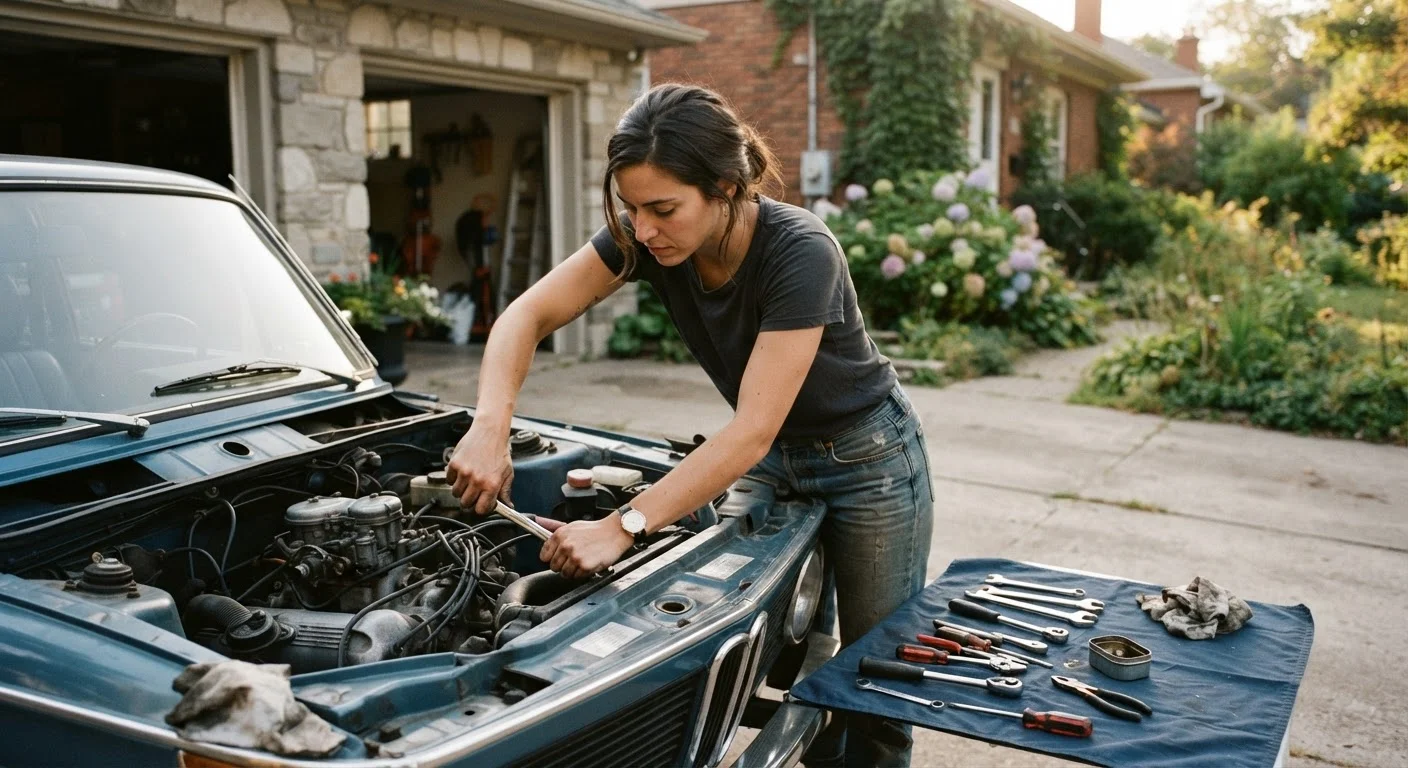
Photo: InfoAlly.net | Finding Info Made Easy editorial
Key Takeaways
- Simple maintenance tasks like air filter swaps and wiper replacement are genuinely manageable for most drivers.
- Brake systems, suspension work, and anything involving airbags or advanced electronics carry serious safety risks if done incorrectly.
- Mistakes on complex repairs can void warranties and create liability complications with your insurer.
- Knowing your own skill level honestly is more important than any single repair decision.
- A qualified mechanic should always handle jobs that affect vehicle safety or require specialized diagnostic tools.
Reduces labor costs on straightforward maintenance tasks
Labor can represent 50-70% of a shop repair bill. Handling simple, clearly defined tasks yourself directly eliminates that cost for the hours involved.
Builds genuine mechanical familiarity over time
Hands-on experience with your own vehicle helps you recognize unusual sounds, smells, or behaviors earlier - making you a more proactive and less reactive owner.
Convenient for minor fixes without scheduling delays
A dead battery or blown fuse doesn't require a service appointment if you're equipped and confident. Handling it yourself gets you back on the road faster.
Low-risk tasks have easily verifiable correct outcomes
Replacing an air filter or topping up windshield washer fluid has a clear before-and-after state that's easy to confirm, with minimal room for consequential error.
Errors on safety systems can have serious consequences
Brake lines, steering linkages, and tire-related components are unforgiving of mistakes. A repair that seems complete but isn't correctly done may not reveal its flaw until a critical moment.
Modern vehicles require specialized diagnostic tools
Increasingly, even tasks that look mechanical - like replacing a throttle body or a wheel speed sensor - require OBD software to reset error codes or recalibrate systems. Consumer-grade scanners often fall short.
Incorrect repairs can void manufacturer warranties
Warranty documentation typically requires that repairs meet certain standards. A DIY repair that deviates from manufacturer specifications may give grounds to deny a related warranty claim.
Hidden costs can exceed the professional repair price
Purchasing single-use specialty tools, ordering the wrong part, or needing a shop to correct a failed DIY attempt often results in spending more than a professional job would have cost initially.
Risk of injury from improper equipment or technique
Working under an improperly supported vehicle, mishandling high-pressure fuel lines, or encountering airbag components without proper precautions can cause serious physical harm.
The Appeal of Doing It Yourself
For many drivers, the instinct to handle car repairs independently comes down to cost and control. Labor at a professional shop can account for more than half of a typical repair bill, so the financial motivation is real. There's also a practical dimension: being able to handle a minor issue yourself means not waiting for a service appointment or paying emergency rates.
Some tasks are also genuinely straightforward. Swapping out a cabin air filter, replacing windshield wipers, or changing a battery requires minimal tools and carries low risk if done carefully. For these jobs, a reliable tutorial and basic mechanical confidence are often enough. Understanding what you're doing under the hood also makes you a more informed car owner - harder to oversell services you don't need. Unexpected ownership costs are a real burden for many drivers, and small maintenance savings do add up over time.
Where DIY Repairs Genuinely Make Sense
Certain maintenance tasks sit firmly in the DIY-appropriate category for most drivers. These share a few common traits: they don't affect active safety systems, the correct outcome is easy to verify, and the cost of a mistake is low and correctable.
Reduces labor costs on straightforward maintenance tasks
Labor can represent 50-70% of a shop repair bill. Handling simple, clearly defined tasks yourself directly eliminates that cost for the hours involved.
Builds genuine mechanical familiarity over time
Hands-on experience with your own vehicle helps you recognize unusual sounds, smells, or behaviors earlier - making you a more proactive and less reactive owner.
Convenient for minor fixes without scheduling delays
A dead battery or blown fuse doesn't require a service appointment if you're equipped and confident. Handling it yourself gets you back on the road faster.
Low-risk tasks have easily verifiable correct outcomes
Replacing an air filter or topping up windshield washer fluid has a clear before-and-after state that's easy to confirm, with minimal room for consequential error.
For a deeper look at one of the most common DIY maintenance tasks, see our article on the logic behind regular oil changes - including what goes wrong when the job is skipped or done incorrectly.
When DIY Goes Wrong - and Why
The risks compound quickly once repairs move beyond straightforward maintenance. Brake jobs, steering components, suspension work, and anything touching a vehicle's electronic control systems are areas where an error can have direct safety consequences - not just for the driver, but for other people on the road.
Errors on safety systems can have serious consequences
Brake lines, steering linkages, and tire-related components are unforgiving of mistakes. A repair that seems complete but isn't correctly done may not reveal its flaw until a critical moment.
Modern vehicles require specialized diagnostic tools
Increasingly, even tasks that look mechanical - like replacing a throttle body or a wheel speed sensor - require OBD software to reset error codes or recalibrate systems. Consumer-grade scanners often fall short.
Incorrect repairs can void manufacturer warranties
Warranty documentation typically requires that repairs meet certain standards. A DIY repair that deviates from manufacturer specifications may give grounds to deny a related warranty claim.
Hidden costs can exceed the professional repair price
Purchasing single-use specialty tools, ordering the wrong part, or needing a shop to correct a failed DIY attempt often results in spending more than a professional job would have cost initially.
Risk of injury from improper equipment or technique
Working under an improperly supported vehicle, mishandling high-pressure fuel lines, or encountering airbag components without proper precautions can cause serious physical harm.
There's also a documentation problem. Many auto insurance policies and manufacturer warranties have clauses that can be affected by repairs not performed to a recognized standard. If a DIY repair is later found to have contributed to an accident or system failure, the implications can extend beyond the repair bill itself. When in doubt about scope, weighing professional service options is a useful exercise before committing to either path.
Airbag and ADAS Systems: A Hard Boundary
Drawing the Line: A Practical Framework
The honest question to ask before starting any repair isn't just "Can I do this?" but "What happens if I get it wrong?" For a wiper blade, the answer is a streaky windshield. For a brake caliper, it could be brake failure at speed.
~50-70%
Share of repair bill often attributed to labor
Industry estimates consistently show labor accounts for the majority of repair costs at professional shops, which is the primary driver of DIY appeal.
Millions
DIY repair attempts made by US drivers annually
Consumer surveys suggest a large proportion of US vehicle owners attempt at least some maintenance or minor repairs themselves each year, with mixed outcomes.
A useful mental checklist: Do you have the correct tools - not improvised substitutes? Have you been able to verify the procedure through multiple reliable sources? Is the system you're working on safety-critical? Could an error be invisible until it causes a failure? If the answers raise doubt, a professional is the safer and often more cost-effective choice when you account for the price of correcting a mistake.
For drivers weighing where to spend and where to save across overall ownership, our overview of costs that catch new drivers off guard offers useful context on budgeting across the full ownership picture.
This article is for general informational purposes only. Vehicle repair involves safety risks; always consult a qualified mechanic before undertaking repairs that affect safety-critical systems.
The content on this site is for informational purposes only and is not a substitute for professional advice. Always consult a qualified professional for guidance specific to your situation.