
The Logic Behind Regular Oil Changes - and What Happens When You Skip Them

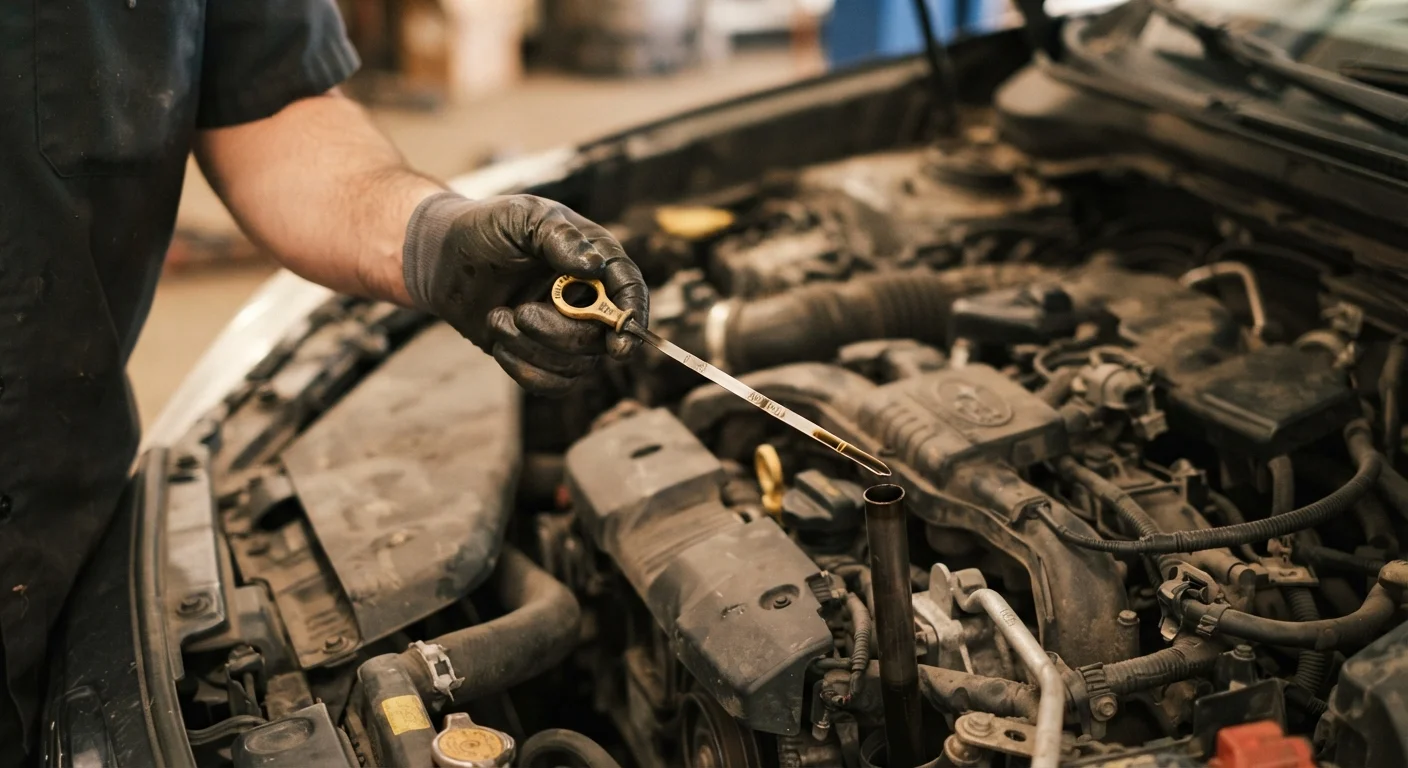
Photo: InfoAlly.net | Finding Info Made Easy editorial
Key Takeaways
- Engine oil does three jobs simultaneously: lubrication, heat transfer, and contaminant suspension.
- Oil degrades through heat, oxidation, and contamination - not mileage alone.
- Skipping oil changes accelerates wear and can lead to irreversible engine damage.
- Most modern vehicles specify change intervals in the owner's manual, which should be the primary guide.
- Keeping service records protects resale value and supports warranty claims.
What Engine Oil Actually Does
Most drivers know oil matters, but fewer understand the full scope of what it does - which is why it's easy to deprioritize. Engine oil serves three distinct functions simultaneously, and each one is critical.
Lubrication: Your engine contains dozens of metal components moving at high speed in very tight tolerances. Oil forms a thin film between surfaces like pistons, crankshaft bearings, and camshafts, preventing direct metal-to-metal contact. Without this film, surfaces grind together and wear rapidly.
Heat management: Combustion generates enormous heat. Oil absorbs thermal energy from components the coolant system can't directly reach - particularly inside the lower engine - and carries it to the oil pan where it partially dissipates.
Contaminant suspension: Combustion produces byproducts including carbon particles, moisture, and acids. Fresh oil contains detergent and dispersant additives that hold these contaminants in suspension so they reach the oil filter rather than depositing on engine surfaces. This is why used oil turns dark - it's doing its job.
Oil Viscosity Ratings Explained
Why Oil Degrades - and Why Mileage Is Only Part of the Story
Oil doesn't simply wear out from use; it degrades through a combination of heat cycling, oxidation, and contamination load. Each time your engine reaches operating temperature and cools again, the oil's additive chemistry is stressed. Over time, antioxidants deplete, viscosity modifiers break down, and the oil's ability to form a protective film diminishes.
Driving conditions matter as much as distance. Frequent short trips - where the engine never fully warms up - allow moisture and combustion acids to accumulate in the oil at a higher rate than highway driving at steady temperatures. Towing, stop-and-go traffic, and extreme temperatures all accelerate degradation. This is why owner's manuals typically list two maintenance schedules: one for normal conditions and a more frequent one for 'severe' use.
~$100
Typical cost of a routine oil change
Industry service data consistently shows a standard oil-and-filter change costs a fraction of what engine repairs from neglect can run - which can reach several thousand dollars for sludge-related damage.
10,000+ mi
Common synthetic oil change interval
Many major vehicle manufacturers specify synthetic oil change intervals of 10,000 miles or more under normal driving conditions, according to published owner's manual guidance.
Up to 40%
Increase in engine wear with degraded oil
Engineering research on lubrication has shown that engines operating with significantly depleted oil additives can experience substantially higher wear rates on critical components such as bearings and camshafts.
For context on how driving habits affect vehicle systems more broadly, see our look at how cold weather affects fuel economy and engine performance.
What Happens When You Skip Oil Changes
Neglecting oil changes rarely causes a single dramatic failure - the damage accumulates gradually, which is part of what makes it easy to rationalize skipping a service interval. Here's the progression:
- Additive depletion: Detergents and dispersants exhaust first, meaning combustion byproducts begin depositing on engine surfaces rather than reaching the filter.
- Sludge formation: Accumulated deposits combine with degraded oil to form a thick, tar-like sludge. This restricts oil flow through narrow passages, starving components of lubrication.
- Accelerated wear: Metal surfaces operating without adequate film protection experience increased friction and heat. Bearings, piston rings, and camshaft lobes are particularly vulnerable.
- Irreversible damage: In advanced cases, sludge can block the oil pickup screen, causing sudden oil starvation - a scenario that typically requires engine rebuild or replacement.
Set a Reminder, Not Just a Mileage Target
Keeping a service logbook is one of the most practical ways to stay on top of intervals and document your maintenance history. Our guide on maintaining a vehicle service logbook explains exactly what to record and why it protects your car's resale value.
Reading the Right Interval for Your Vehicle
The 3,000-mile oil change rule persisted for decades in American car culture, but it's largely obsolete for modern vehicles. Most current engines using full synthetic oil are designed for intervals of 7,500 miles or more, and many manufacturer recommendations fall between 10,000 and 15,000 miles under normal conditions.
The only authoritative source for your vehicle's interval is the owner's manual. Following manufacturer guidance also matters for warranty purposes - documented, on-schedule service is the clearest evidence of proper maintenance. For guidance on other often-overlooked checks, our article on tyre pressure and tread depth safety checks covers what else most drivers miss between service appointments.
If you're considering handling oil changes yourself, this honest look at DIY car repairs outlines when it makes practical sense and where the real risks lie.
This article provides general automotive information for educational purposes. Always consult your vehicle's owner's manual and a qualified mechanic for guidance specific to your car.
Frequently Asked Questions
The content on this site is for informational purposes only and is not a substitute for professional advice. Always consult a qualified professional for guidance specific to your situation.