
Why Fuel Economy Drops in Cold Weather - and What to Do About It

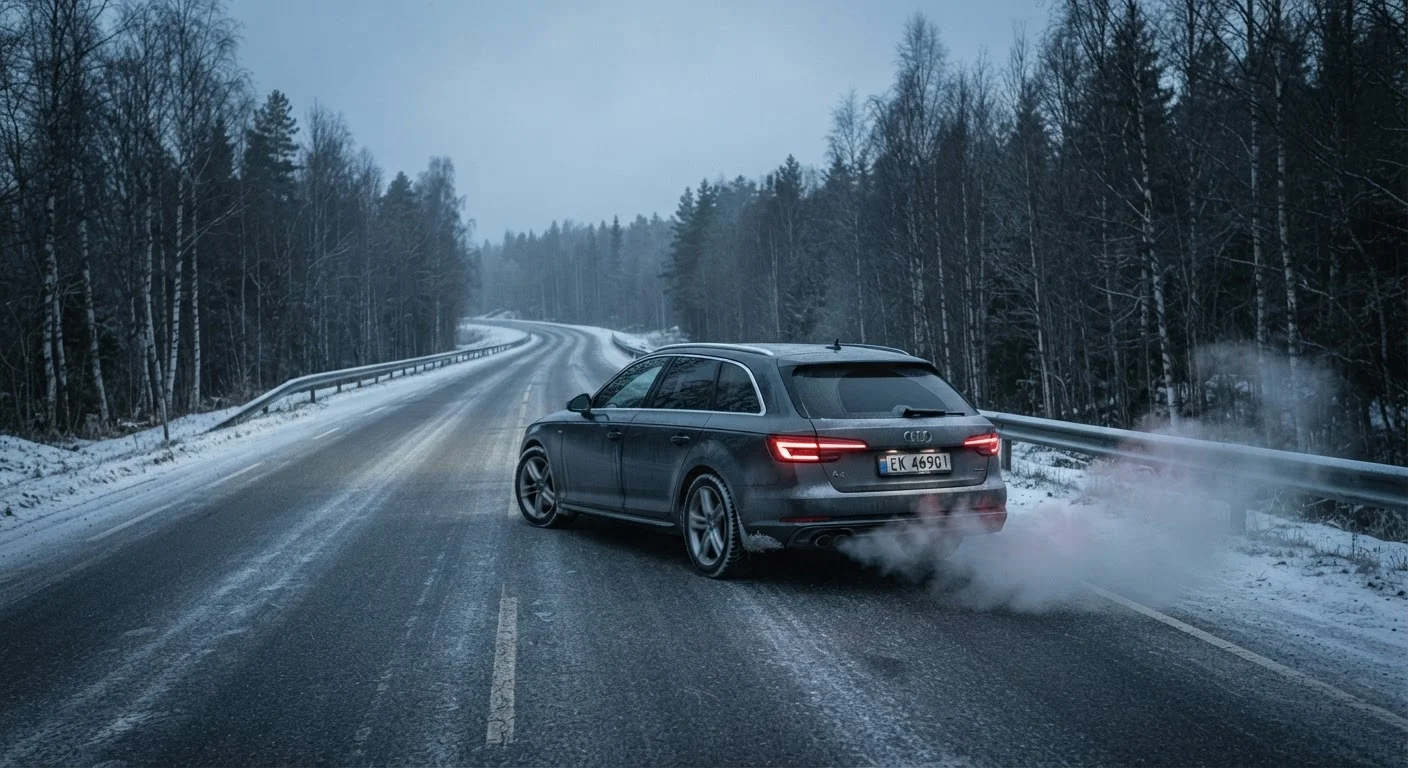
Photo: InfoAlly.net | Finding Info Made Easy editorial
Key Takeaways
- Cold temperatures thicken engine oil and transmission fluid, increasing internal friction and fuel consumption.
- Short trips in cold weather are disproportionately inefficient because engines burn extra fuel during warm-up.
- Tire pressure drops roughly 1 PSI for every 10°F decrease in temperature, adding rolling resistance.
- Idling to warm up a car wastes fuel and is largely unnecessary for modern fuel-injected engines.
- Simple habits - checking tire pressure, reducing short trips, and minimizing cabin heat use - can meaningfully offset winter MPG losses.
- Electric and hybrid vehicles are especially affected by cold due to battery performance limitations.
Why Cold Engines Burn More Fuel
When temperatures fall, your engine doesn't simply feel the chill - it fights it at a mechanical level. Engine oil, transmission fluid, and other lubricants become thicker in cold weather, creating greater internal friction that takes additional fuel to overcome. Until the engine reaches its optimal operating temperature (typically 195-220°F), the engine control unit also runs a richer air-fuel mixture, meaning it injects more fuel than it would under warm conditions to ensure reliable combustion.
This cold-start enrichment phase is the single biggest contributor to winter MPG losses, and it's most damaging on short trips. If your commute is only a few miles, your engine may never fully warm up - meaning you're burning extra fuel for the entire journey. For a deeper look at how engine oil behavior affects overall efficiency, see our piece on why regular oil changes matter.
15-24%
Fuel economy drop at 20°F vs. 77°F
U.S. Department of Energy data for a typical gasoline-powered vehicle under city driving conditions.
~1 PSI
Tire pressure lost per 10°F temperature drop
A consistent rule of thumb cited by tire manufacturers and automotive safety organizations.
20-40%
Range reduction for EVs in very cold conditions
Reported across multiple studies and real-world tests of electric vehicles in sub-freezing temperatures.
Tire Pressure, Aerodynamics, and Hidden Drag
Cold air is denser than warm air, which increases aerodynamic drag on your vehicle - a measurable but typically minor factor. A more significant issue is tire pressure. Air contracts in cold temperatures at approximately 1 PSI per 10°F drop, so a tire properly inflated in summer can be noticeably underinflated by January. Low tire pressure increases rolling resistance, forcing the engine to work harder simply to maintain speed.
Winter-blend gasoline, which is formulated to evaporate more reliably in cold conditions, also contains slightly less energy per gallon than summer-blend fuel. This seasonal chemistry shift is largely out of a driver's control but contributes to the overall MPG decline many notice between October and February.
Winter-Blend Fuel and What It Means
Practical Steps to Limit the Impact
You can't control the temperature, but you can manage how your vehicle and driving habits respond to it. Start with tire pressure: check it with a gauge on a cold morning - before driving - and inflate to the PSI printed on the driver's door jamb sticker, not the maximum shown on the tire sidewall. Do this monthly during winter.
Avoid the temptation to idle your car for extended warm-up periods. Modern fuel-injected engines warm up more effectively when driven gently for the first few minutes than when left to idle. A 30-second idle to defrost critical windows is reasonable; anything beyond that is burning fuel with no movement to show for it. This connects to a broader set of habits covered in our guide on how driving style affects fuel consumption.
Combine short trips wherever possible so the engine stays warm. Park in a garage if available to reduce the depth of the overnight temperature drop your engine faces. Reduce use of heated accessories when not necessary, and use seat heaters in preference to cabin heat where practical - they warm you directly with less overall energy waste.
Best Warm-Up Practice for Modern Vehicles
For a comprehensive seasonal readiness checklist beyond just fuel economy, the seasonal car preparation guide covers fluids, tires, lights, and more. And if you want to separate winter fuel facts from persistent myths, fuel economy myths that refuse to die is worth a read before forming new winter habits.
Frequently Asked Questions
The content on this site is for informational purposes only and is not a substitute for professional advice. Always consult a qualified professional for guidance specific to your situation.