
Getting Around Without a Car: A Practical Starting Point for Urban and Suburban Residents

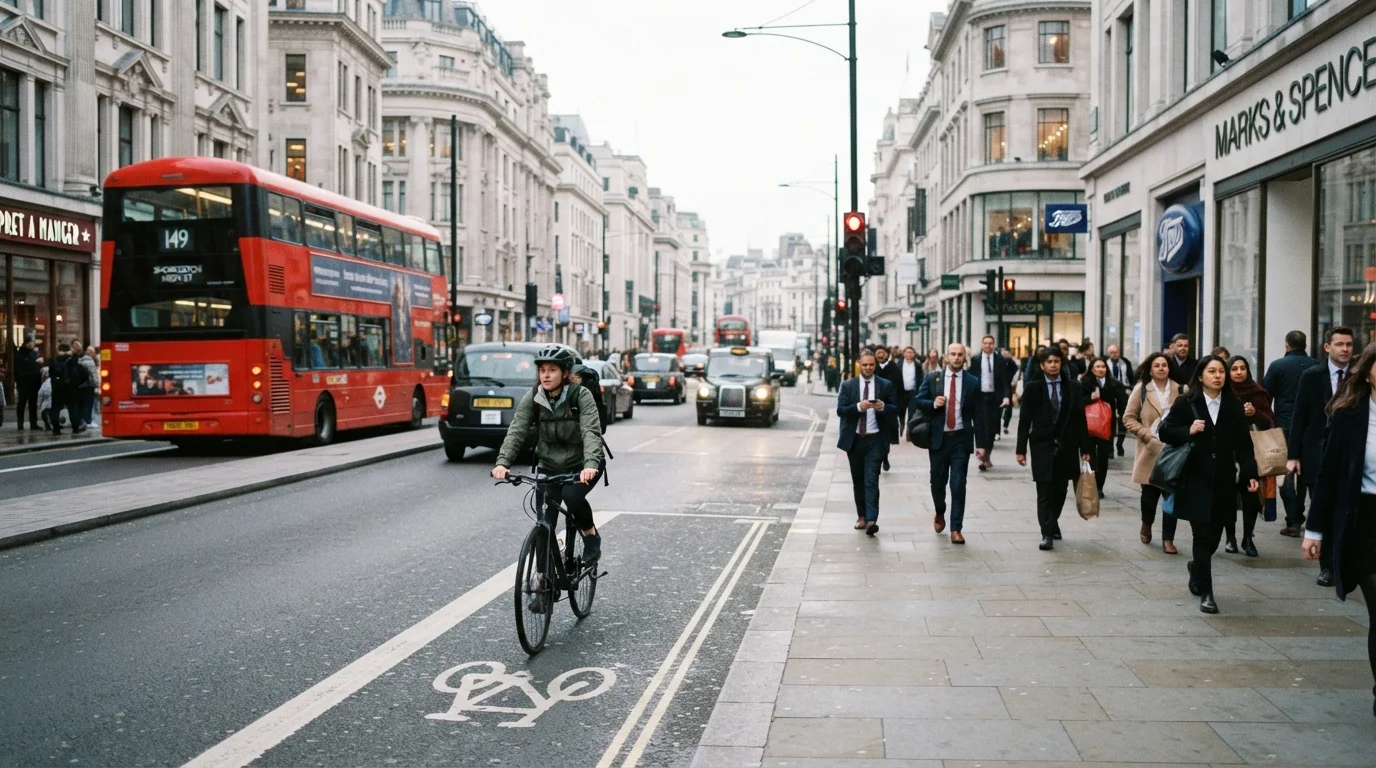
Photo: InfoAlly.net | Finding Info Made Easy editorial
Key Takeaways
- Car-free living is increasingly practical in urban areas thanks to expanding transit, micromobility, and rideshare options.
- Suburban residents face greater challenges but can still reduce car dependence through strategic planning.
- Mixing transit modes - known as multimodal commuting - often works better than relying on a single alternative.
- Digital trip-planning tools can significantly reduce the friction of navigating car-free routes.
- Walking and cycling as daily transport also support physical health as a natural side benefit.
- Your location, schedule, and trip types determine which combination of alternatives will work best for you.
Why People Are Rethinking Car Ownership
For decades, personal vehicle ownership was treated as a near-universal requirement for American adults. That assumption is shifting. Rising ownership costs, expanded urban transit networks, the growth of bikeshare and rideshare platforms, and changing priorities around urban density are prompting more people to ask whether a car is a necessity - or simply a habit.
This isn't an all-or-nothing question. Some people want to go fully car-free. Others simply want to drive less and rely on alternatives for certain trips. Both are legitimate goals, and both are increasingly achievable depending on where you live. For a balanced comparison of what each path actually involves day-to-day, see our breakdown of car ownership versus car-free living.
Know Your Key Concepts Before You Start
Understanding a few key terms will help you navigate your options more confidently as you explore alternatives to driving.
Multimodal commuting
Using more than one type of transportation - such as cycling to a bus stop, then riding transit - to complete a single journey or daily routine.
Micromobility
Small, lightweight personal transport options such as bicycles, e-bikes, and electric scooters, typically used for short urban trips.
First-mile / last-mile
The short trips at the beginning or end of a longer journey - for example, getting from home to a transit stop, or from a station to your workplace.
Car-sharing
A service that lets members rent a vehicle by the hour or day, without owning one - useful for occasional trips that require a car.
Transit frequency
How often a bus, train, or other transit service runs on a given route. Higher frequency means shorter waits and greater practical usefulness.
Walkability
A measure of how easy and practical it is to reach everyday destinations - grocery stores, schools, parks - on foot from a given location.
Your Main Transportation Options Explained
No single alternative replaces every car trip, but the following modes cover most common travel needs when used strategically:
- Public transit - Buses, subways, light rail, and commuter rail. Coverage, frequency, and reliability vary widely by city and region. Transit is typically most viable for commuters in denser urban areas.
- Cycling and e-bikes - Practical for trips under five miles in many cities, especially where protected infrastructure exists. Electric-assist bikes extend range and reduce physical effort, making cycling realistic for more people and terrains. Regular cycling also supports physical fitness - a topic covered in depth in our Fitness & Movement hub.
- Bikeshare and scooter share - Docked and dockless systems in many cities let you rent a bike or scooter for short trips without owning one. Useful for first-mile or last-mile connections.
- Rideshare and taxis - On-demand services fill gaps that transit can't, especially for trips outside service hours or to destinations without good transit access. Costs add up with frequent use.
- Car-sharing services - Pay-by-the-hour vehicle access for occasional trips where only a car will do - grocery runs, medical appointments, or travel to car-centric areas.
- Walking - Underestimated but powerful. A walkable neighborhood can eliminate the need for any transportation mode for everyday errands.
Combining several of these modes - known as multimodal commuting - is often the most practical approach for covering a full range of trip types.
Start with your most frequent trips
How to Build a Realistic Car-Free Routine
The most common mistake is trying to replace every car trip at once. A more effective approach is to audit your travel patterns first - identify where you go, how frequently, and how far. Most people find that a handful of trip types account for the majority of their driving.
Once you know your patterns, match each trip type to the most feasible alternative. Short daily errands are usually the easiest wins. Commutes come next, especially if transit is available. Occasional longer trips - medical appointments, airport runs - may still involve a car-share, rideshare, or borrowing a vehicle.
Digital tools make this process significantly easier. Trip-planning apps can map multimodal routes, show real-time transit arrivals, and compare travel times across modes. For a practical overview of what's available, see our guide to transit apps and trip-planning tools.
Realistic expectations matter
Suburban Residents: What's Different for You
Going car-free is significantly harder in suburban environments. Lower density, limited transit frequency, and car-centric road design create real obstacles. That said, car-light living - reducing how often you drive rather than eliminating it entirely - is achievable for many suburban households.
Practical strategies include: reserving the car for specific trip types (school drop-off, weekly grocery runs) while handling other errands by bike or on foot; using transit for work commutes if a station is within cycling or walking distance; and consolidating car trips to reduce overall vehicle use.
Don't overestimate suburban transit coverage
Suburban mobility options are expanding in some regions, but progress is uneven. Assessing your specific location honestly is essential before making major lifestyle changes.
Getting Started: Your First Steps
You don't need to overhaul your life to begin. Start with these concrete actions:
- Map your trips. Log every trip you make for one week - destination, distance, and purpose.
- Identify easy substitutions. Which trips could you walk, cycle, or take transit for right now, with minimal disruption?
- Download a transit or trip-planning app and experiment with route options for a regular destination.
- Try one alternative mode this week - a bus commute, a bikeshare rental, or a walking errand - before committing to larger changes.
- Evaluate your home's walkability and transit access honestly. Tools like public walk-score services or local transit agency maps can help.
For those still weighing whether to keep a vehicle at all, our Car Ownership Basics hub covers the full picture of what vehicle ownership involves - a useful reference for making an informed decision either way.
Frequently Asked Questions
The content on this site is for informational purposes only and is not a substitute for professional advice. Always consult a qualified professional for guidance specific to your situation.