
Rideshare, Carshare, and Bikeshare: Understanding the Differences That Actually Matter

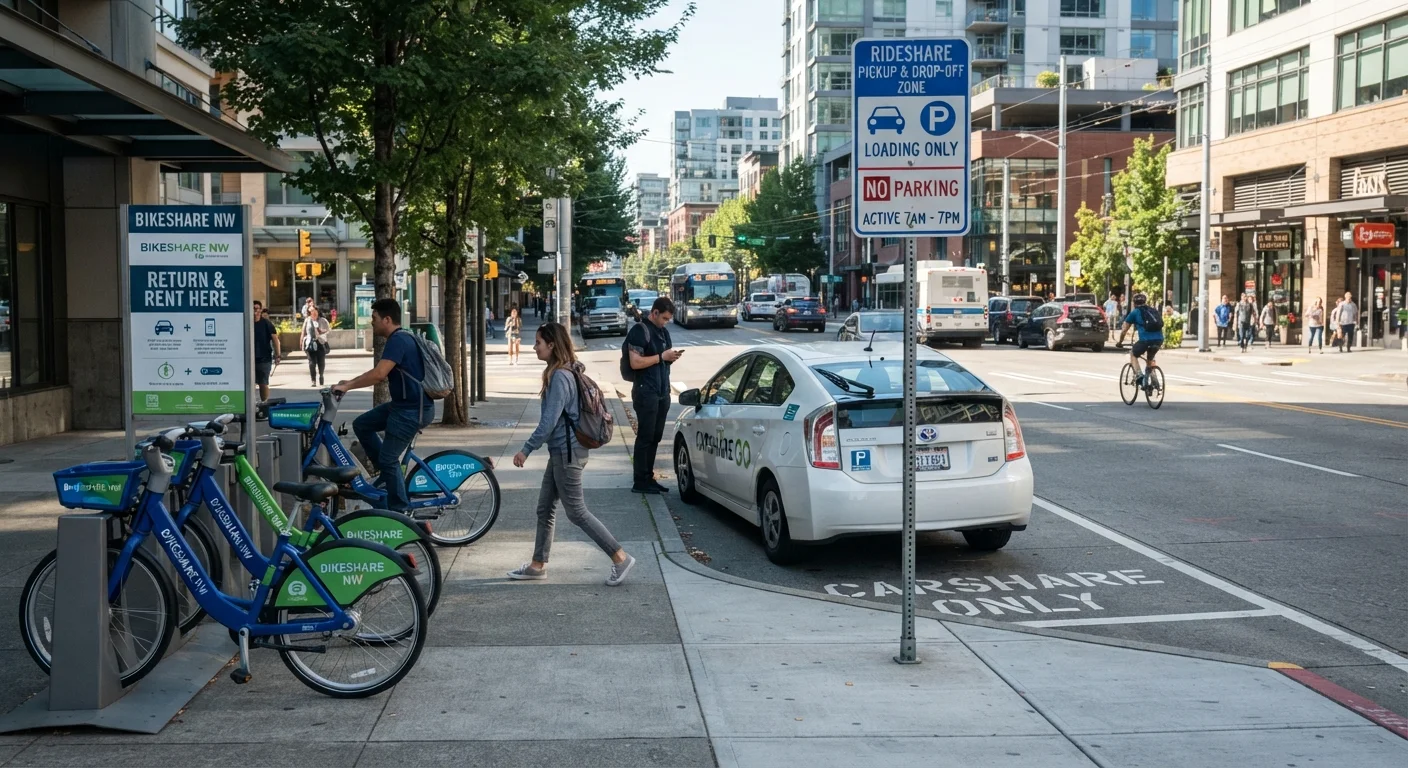
Photo: InfoAlly.net | Finding Info Made Easy editorial
Three Models, Three Very Different Experiences
The terms rideshare, carshare, and bikeshare are frequently lumped together under the umbrella of "shared mobility," but they work in fundamentally different ways. Choosing the wrong one for a trip can cost you time, money, or convenience. Understanding the distinctions helps you pick the right tool for each journey.
| Rideshare model | App-dispatched driver; passenger pays per trip |
| Carshare model | Self-driven; reserved by hour or day |
| Bikeshare model | Docked or dockless bikes/e-bikes; short-trip focused |
| Typical bikeshare trip length | Under 3 miles (National Association of City Transportation Officials (NACTO) bikeshare data) |
| Insurance responsibility | Varies by mode; review coverage before use |
| Key pricing variable (rideshare) | Dynamic/surge pricing based on demand |
At the most basic level, here is how they differ: rideshare puts you in a vehicle driven by someone else; carshare lets you drive a vehicle you don't own; bikeshare gives you access to a bicycle or e-bike for short trips. Each model has its own pricing logic, coverage geography, and ideal use case.
Rideshare: On-Demand Transportation with a Driver
Rideshare services connect passengers with drivers through a smartphone app. You request a trip, a nearby driver accepts it, and you're charged based on distance, time, and demand - a practice commonly called surge pricing or dynamic pricing. You have no control over the vehicle and no driving responsibility.
Rideshare works well for trips to airports, nights out where parking is impractical, or any situation where you need door-to-door service without dealing with a vehicle yourself. However, relying on it heavily has real cost implications. For a deeper look, see the trade-offs of using rideshare as your primary transportation.
One important note: rideshare insurance coverage is complex. Standard personal auto policies often exclude coverage during the app-on period. If you're a driver, review your policy carefully - and if you're a passenger, understand that the platform's liability coverage applies, not your own.
Carshare: Self-Drive Access Without Ownership
Carshare programs give members access to a fleet of vehicles - typically reserved by the hour or day - that they drive themselves. There are two main models: station-based carshare, where you pick up and return the vehicle to the same spot, and free-floating carshare, where you can drop the vehicle off anywhere within a defined service zone.
Carshare suits situations where you need a car for errands, a day trip, or hauling cargo, but don't need one often enough to justify ownership costs. Most programs bundle fuel and basic insurance into the membership or per-use rate, though coverage specifics vary by provider and situation. For context on what that insurance actually covers, understanding comprehensive versus third-party coverage is worth reviewing before your first booking.
Rideshare
A service where a driver, matched through an app, transports a passenger in exchange for payment. The passenger does not drive. Also called transportation network company (TNC) service.
Carshare
A membership-based program allowing users to rent vehicles by the hour or day and drive them themselves. Fuel and basic insurance are often included in the rate.
Bikeshare
A system offering short-term access to bicycles or e-bikes, typically via docking stations or app-unlocked locking mechanisms, for short urban trips.
Surge pricing
Dynamic, demand-based pricing used by rideshare platforms where fares increase when driver supply is low or passenger demand is high.
Free-floating carshare
A carshare model where users can pick up and drop off vehicles anywhere within a defined geographic zone, rather than returning to a fixed station.
Last-mile connection
The final short leg of a trip that bridges a transit stop and the traveler's actual destination, often served by bikeshare, scooters, or walking.
Bikeshare: Short Trips, Low Cost, No Parking Hassle
Bikeshare systems - including both pedal-assist e-bike and standard bicycle fleets - are designed primarily for short urban trips, typically under three miles. Users unlock a bike via app or kiosk, ride to their destination, and dock or lock the bike at an endpoint. Pricing is usually structured around short-time increments, making them economical for quick trips but potentially expensive for longer ones.
E-bike options within bikeshare networks have expanded significantly, making hills and longer distances more accessible to a wider range of riders. For a broader look at how this category is evolving, see why e-bikes and scooters are being taken seriously as transit.
Bikeshare fits well as a "last mile" connector - bridging the gap between a transit stop and your final destination. Building that kind of multimodal habit is something multimodal commuting planning addresses directly.
Choosing the Right Option for Your Trip
No single shared-mobility model wins every situation. The right choice depends on distance, destination type, time of day, and how much physical effort or planning you're willing to invest. A useful mental framework:
- Rideshare - best when you need to arrive at a specific address, have luggage, or are traveling at odd hours in areas with limited transit.
- Carshare - best when you need a vehicle for multiple hours, want control over the route, or have cargo that doesn't fit on a bike or in a rideshare.
- Bikeshare - best for short urban hops, avoiding parking costs, or connecting to another transit mode.
Planning tools can help you compare modes in real time before committing. Transit apps and trip-planning tools can show you cost and time estimates across all three, making the choice much more concrete.
40M+
Annual bikeshare trips in the US
According to NACTO's shared micromobility data, bikeshare and e-scooter trips in the US have grown substantially year over year.
~30%
Rideshare trips replacing transit or walking
Research published by transportation policy organizations suggests a notable share of rideshare trips substitute for transit, walking, or cycling rather than personal car use.
The content on this site is for informational purposes only and is not a substitute for professional advice. Always consult a qualified professional for guidance specific to your situation.