
Night Driving Habits That Reduce Fatigue and Improve Visibility

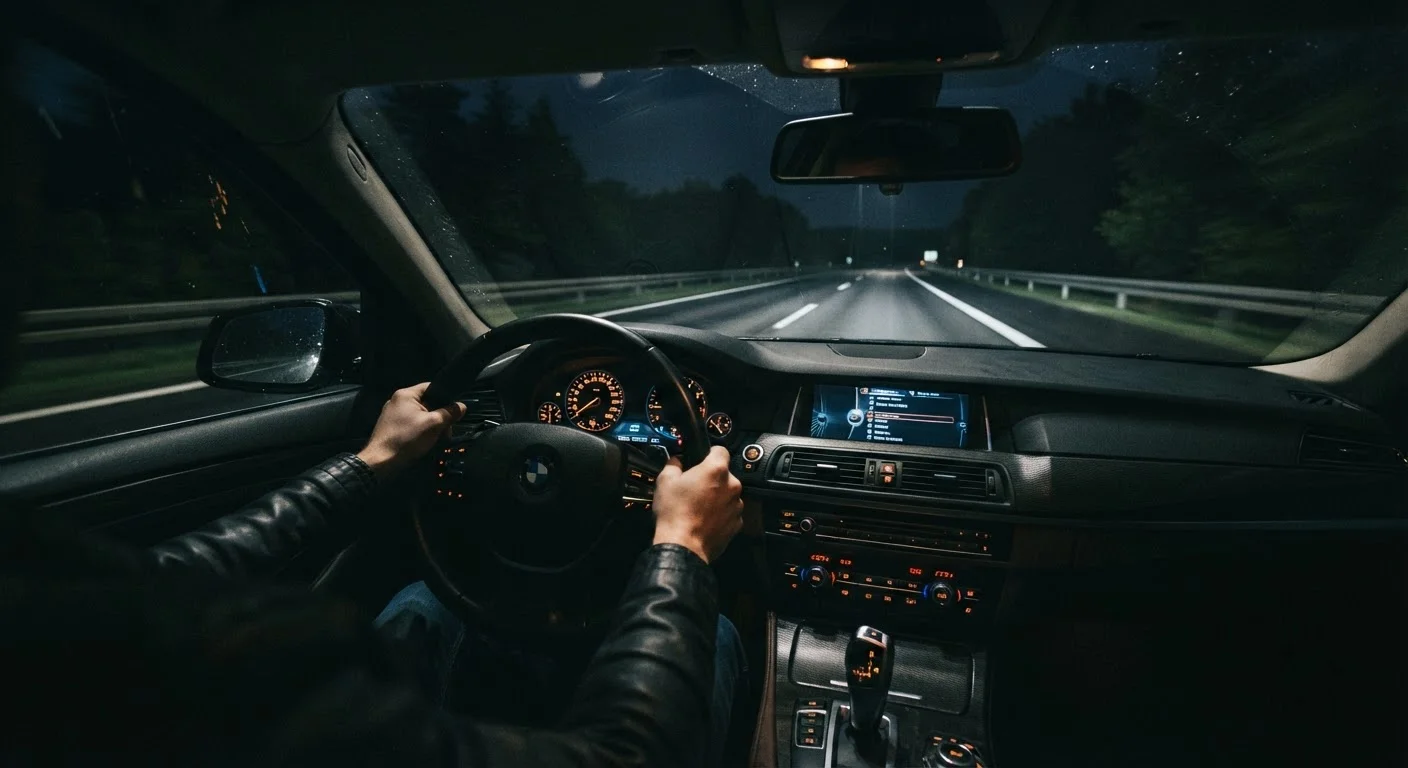
Photo: InfoAlly.net | Finding Info Made Easy editorial
Key Takeaways
- Clean headlights and properly aimed beams can significantly extend how far you see at night.
- Driver fatigue sets in faster after dark due to reduced visual stimulation and circadian pressure.
- Adjusting your gaze pattern and managing glare from oncoming traffic are learnable visibility habits.
- Scheduling rest stops every 90-120 minutes on night journeys can meaningfully reduce fatigue-related risk.
- Pre-trip preparation - including windshield cleaning and mirror adjustment - pays outsized dividends after dark.
Why Night Driving Is a Different Challenge
Driving after dark is fundamentally different from daytime travel. Reduced ambient light narrows your effective field of vision, depth perception becomes less reliable, and color contrast - which helps you quickly read the road environment - diminishes substantially. According to the National Safety Council, fatal crash rates per mile driven are significantly higher at night despite lower overall traffic volumes.
Add to this the body's natural circadian rhythm, which begins signaling sleep as evening progresses, and the challenge compounds quickly. Fatigue isn't just about feeling tired - it degrades reaction time, narrows attention, and impairs judgment in ways drivers often don't notice until it's too late. Understanding these factors is the first step toward managing them. For a broader foundation of safe driving principles, see our end-to-end driving safety guide.
Lighting and Visibility Practices That Make a Real Difference
Your headlights are your primary tool after dark, and their condition matters more than most drivers realize. Oxidized or yellowed headlight lenses can reduce light output by a significant margin. Keeping lenses clean and clear - and checking beam alignment periodically - ensures you're getting the full range your vehicle is designed to provide.
Check and clean your headlight lenses before night journeys.
Use high beams on unlit roads and switch to low beams promptly when traffic approaches.
Shift your gaze to the right road edge when facing oncoming headlights.
Dim your instrument cluster and avoid bright interior lights while driving after dark.
Reduce speed modestly in poorly lit or unfamiliar night environments.
Glare from oncoming headlights is a common visibility disruptor. Rather than staring directly at approaching lights, shift your gaze slightly to the right edge of your lane. This technique uses your peripheral vision to track lane position while allowing your central vision to recover from glare more quickly. Our guide on managing blind spots also covers gaze and mirror strategies that complement night driving.
Interior cabin lighting is another often-overlooked factor. Bright dashboard displays or dome lights create a reflection on the windshield that competes with your ability to see the road clearly. Dim your instrument cluster to a comfortable but readable level once driving in the dark.
Managing Fatigue on Night Journeys
Fatigue is not something willpower reliably overcomes behind the wheel. If your body is signaling sleep, engaging cognitive tasks like driving becomes measurably less safe - regardless of how alert you feel subjectively. The practical answer is to plan around your biology rather than fight it.
Scheduling rest stops every 90 to 120 minutes on extended night drives gives your visual system a break and allows alertness to partially recover. A brief walk during a stop - even five minutes - is more restorative than sitting stationary. If you regularly find yourself fatigued before night drives begin, it's worth reviewing your pre-trip sleep habits; our evening habits that undermine sleep quality article explores common pre-bed routines that quietly fragment rest.
Drowsiness Mimics Impairment
Caffeine can provide a short-term alertness boost but is not a substitute for genuine rest. Use it strategically - early in a night journey - rather than as a repeated crutch on long drives.
Pre-Trip Habits That Set You Up for Success
Much of what determines your night driving safety is decided before you turn the key. A clean windshield - inside and out - reduces light scatter from oncoming headlights. Even a thin film of interior grime can cause significant glare on a wet or rainy night. Adjust your mirrors before departure so you're not fumbling with them on a dark road.
Prep Your Car Interior Before Dark
Speed management deserves specific mention at night. Stopping distances don't shrink just because it's dark, but visibility does - meaning the gap between what you can see and what you need to stop for narrows. Slowing down slightly below the posted limit in unfamiliar or poorly lit areas gives your headlights time to illuminate hazards before they're dangerously close. For distance management principles that also apply after dark, see our piece on tailgating and stopping distances.
Finally, approach night driving with a defensive driving mindset - anticipating hazards rather than reacting to them. Pedestrians, cyclists, and animals are far harder to spot after dark, so scanning further ahead and checking intersections carefully before proceeding are habits worth ingraining.
The content on this site is for informational purposes only and is not a substitute for professional advice. Always consult a qualified professional for guidance specific to your situation.