
Haircare Routines for Different Hair Textures: An End-to-End Overview

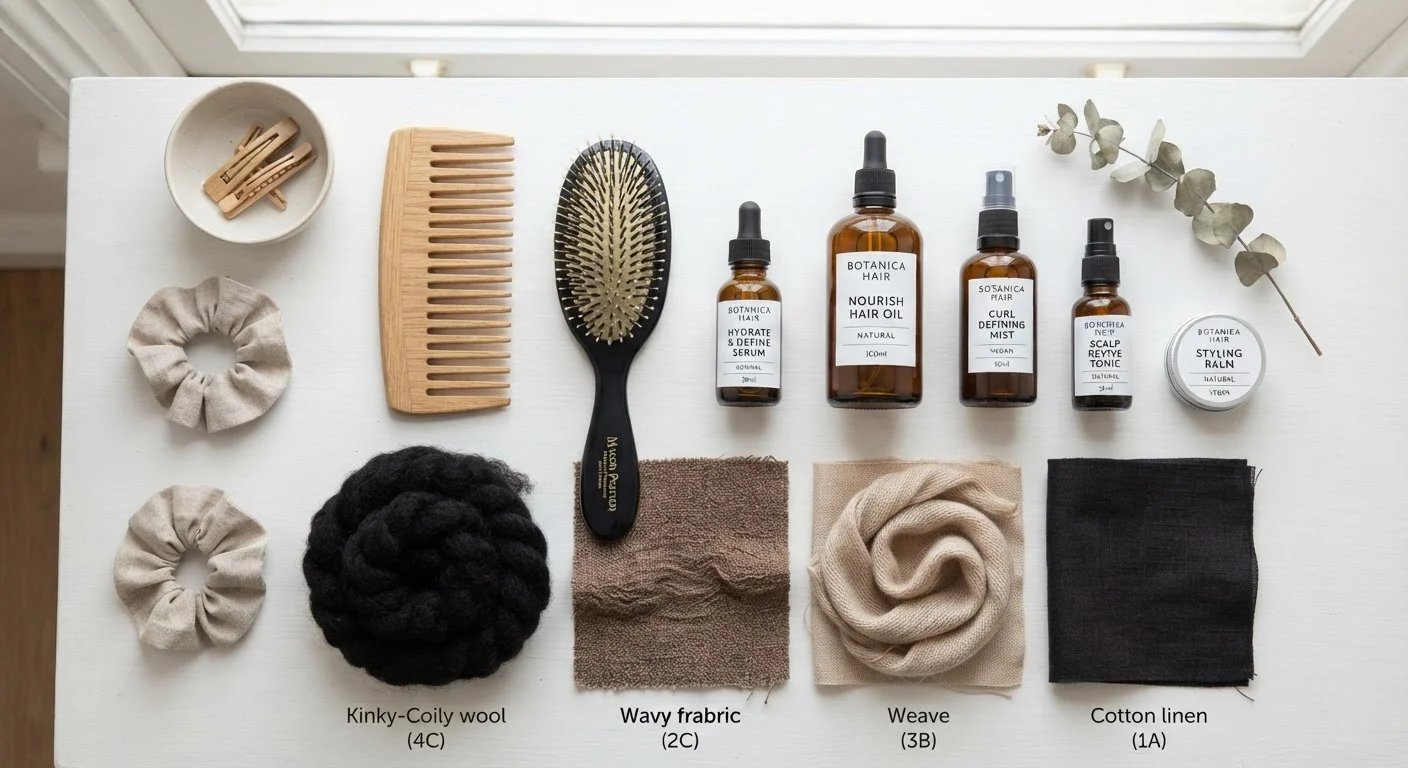
Photo: InfoAlly.net | Finding Info Made Easy editorial
Key Takeaways
- Hair texture and porosity together determine which products and techniques actually work for you.
- Fine and straight hair benefits from lightweight formulas and minimal product layering.
- Wavy hair thrives with moisture balance and light definition techniques like scrunching.
- Curly and coily textures need deep moisture, gentle detangling, and protective styling strategies.
- A healthy scalp is the non-negotiable foundation for every hair type.
- Your routine should flex around your lifestyle - not the other way around.
Why Hair Texture Is the Starting Point
Walk into any beauty aisle and the sheer volume of haircare options can feel paralyzing. The secret to cutting through the noise? Start with texture. Hair texture describes the width of each individual strand - fine, medium, or coarse - and it directly influences how your hair responds to moisture, heat, and products.
Most people know their general texture by feel, but the widely used Andre Walker Hair Typing System offers a useful framework: Type 1 is straight, Type 2 is wavy, Type 3 is curly, and Type 4 is coily, with subcategories (A, B, C) within each. Knowing your type helps you speak the language of haircare and identify routines designed with your pattern in mind.
That said, texture typing is a starting point, not a prescription. Many people have multiple textures across their head, and factors like chemical treatments, heat damage, and hormonal shifts can change your hair's behavior over time. Just like building a skincare routine, successful haircare means understanding your starting point before selecting your steps.
~85%
People who misidentify their hair type
Haircare professionals commonly observe that the majority of clients self-assess their texture incorrectly before a professional consultation, often confusing porosity issues for texture issues.
Type 4
Most moisture-dependent hair category
Trichology research consistently identifies coily textures as requiring the most intentional hydration strategies due to the structural difficulty of oil traveling down tightly coiled strands.
4-6 weeks
Minimum time to assess a new routine
Hair professionals and dermatologists generally recommend giving any new haircare regimen at least one to two hair growth cycles before evaluating effectiveness.
Understanding Hair Porosity
Porosity - how readily your hair absorbs and retains moisture - is arguably just as important as texture, and it's the factor most people overlook. Low-porosity hair has tightly closed cuticles that resist moisture absorption but hold it well once it gets in. High-porosity hair (often the result of chemical processing or heat damage) absorbs moisture quickly but loses it just as fast. Medium porosity sits in the balanced middle.
A simple at-home test: drop a clean, dry strand into a glass of water. If it floats, porosity is likely low; if it sinks quickly, it's likely high. This isn't a clinical assessment, but it gives you a useful working hypothesis.
Porosity Can Change Over Time
Matching your products to your porosity level makes a measurable difference. Low-porosity hair benefits from lighter, water-based formulas and heat (like a warm shower or a hooded dryer) to help open cuticles during conditioning. High-porosity hair responds well to heavier, protein-rich conditioners and sealant-style leave-ins that help lock moisture in.
Routines for Straight and Fine Hair
Fine, straight hair tends to show oil accumulation quickly and gets weighed down by heavy products. The goal here is volume and balance - keeping hair clean and lifted without stripping natural oils so aggressively that your scalp overproduces sebum in response.
- Cleansing: A gentle, volumizing shampoo used two to three times a week is usually sufficient. Clarifying shampoos (used monthly) help remove product buildup.
- Conditioning: Apply conditioner from mid-shaft to ends only - putting it near the roots typically causes flatness. A lightweight rinse-out formula works better than rich masks for everyday use.
- Styling: Mousse or light-hold sprays add body without heaviness. Avoid layering multiple products, which amplifies buildup.
For fine, straight hair, try flipping your head upside down while blow-drying on medium heat - it lifts the roots away from the scalp and builds lasting volume without any product.
Apply your styling products to soaking-wet hair, not damp hair. The extra water helps distribute product evenly and gives waves and curls the slip they need to form cleanly.
If you're drawn to a simpler approach, a minimalist routine can work particularly well for straight, fine hair where fewer products often means better results.
Routines for Wavy and Medium-Textured Hair
Wavy hair occupies a sweet spot - it has enough texture to benefit from curl-enhancing techniques but enough smoothness to go straight with heat. The challenge is often frizz management and finding the moisture-to-protein balance that keeps waves defined without feeling crunchy.
- Cleansing: Co-washing (using a cleansing conditioner in place of shampoo) once a week, alternated with a gentle sulfate-free shampoo, is a popular approach for maintaining moisture without stripping.
- Conditioning: A medium-weight conditioner applied generously, then rinsed partially (leaving a small amount in), encourages wave formation and reduces frizz.
- Styling: Scrunch a curl cream or lightweight gel into soaking-wet hair and let it air dry, or diffuse on low heat. The "squish to condish" technique - pressing water and product upward into waves while conditioning - is a well-loved method in the wavy-hair community.
Refresh Waves Between Wash Days
Routines for Curly and Coily Hair
Curly (Type 3) and coily (Type 4) textures are the most moisture-dependent and the most prone to dryness because the natural oils from the scalp travel the curl's spiral more slowly than on straight strands. Deep hydration and gentle handling are non-negotiable.
- Cleansing: A moisturizing, sulfate-free shampoo used once a week (or less for tighter coils) keeps the scalp clean without disrupting the hair's moisture balance.
- Conditioning: Deep conditioning treatments - left on for 20 to 30 minutes, ideally with gentle heat - are a weekly cornerstone. Leave-in conditioners are standard, not optional.
- Detangling: Always detangle when wet and saturated with conditioner, using a wide-tooth comb or fingers, starting from ends and working upward.
- Styling: The LOC method (Liquid, Oil, Cream applied in sequence) is a popular layering technique for locking in moisture. Protective styles like twists and braids reduce daily manipulation and breakage.
For tighter coils especially, scalp health and hair health are deeply connected - buildup under dense curl patterns can go unnoticed until it causes irritation or hair loss.
Avoid Tight Styles on Fragile Edges
Scalp Care: The Foundation Everyone Skips
Across every texture type, scalp health is the upstream factor that shapes hair quality. A congested, dry, or inflamed scalp can cause shedding, slow growth, and product ineffectiveness regardless of how good your strand-level routine is.
Incorporate a scalp massage into your cleansing routine - it stimulates circulation and helps loosen buildup. A gentle scalp scrub or exfoliating treatment used monthly can clear dead skin and product residue. For detailed guidance, the connection between scalp condition and hair routines is worth exploring in depth.
Don't Ignore Scalp Symptoms
Adapting Your Routine to Your Lifestyle
The most effective routine is the one you'll actually maintain. A technically perfect ten-step regimen that gets abandoned by Wednesday helps no one. Think about your week honestly: How many mornings do you have time to diffuse? How often do you work out and need to refresh hair quickly?
Build around your anchors - wash day, styling day, refresh days. Dry shampoo at the roots, a satin pillowcase to reduce overnight friction, and a simple protective style on busy days are all legitimate tools for keeping your hair healthy between full routines. Complement your haircare efforts with the rest of your beauty practice: starting a makeup routine that works with your morning schedule, not against it, makes the whole system sustainable.
Think of your haircare routine as a living document - adjust with the seasons, update when your hair changes, and give new techniques at least four to six weeks before judging results. Hair works on its own timeline.
This article is for general informational purposes only. If you are experiencing significant hair loss, scalp pain, or other concerning symptoms, consult a qualified dermatologist or healthcare professional.
Curl Pattern Reference Guide
A visual and descriptive breakdown of hair typing systems (including the Type 1-4 framework) to help you identify your pattern and find routines designed for it.
Porosity Self-Assessment Worksheet
A simple checklist that walks you through the float test, strand feel, and product behavior observations to estimate your hair's porosity level.
Scalp Health and Hair Routines: The Connection Most People Miss
Understand how scalp condition directly shapes hair quality and which routine habits support a healthy scalp across all texture types.
The content on this site is for informational purposes only and is not a substitute for professional advice. Always consult a qualified professional for guidance specific to your situation.