
Living With a Wearable: The Honest Upsides and Real Frustrations

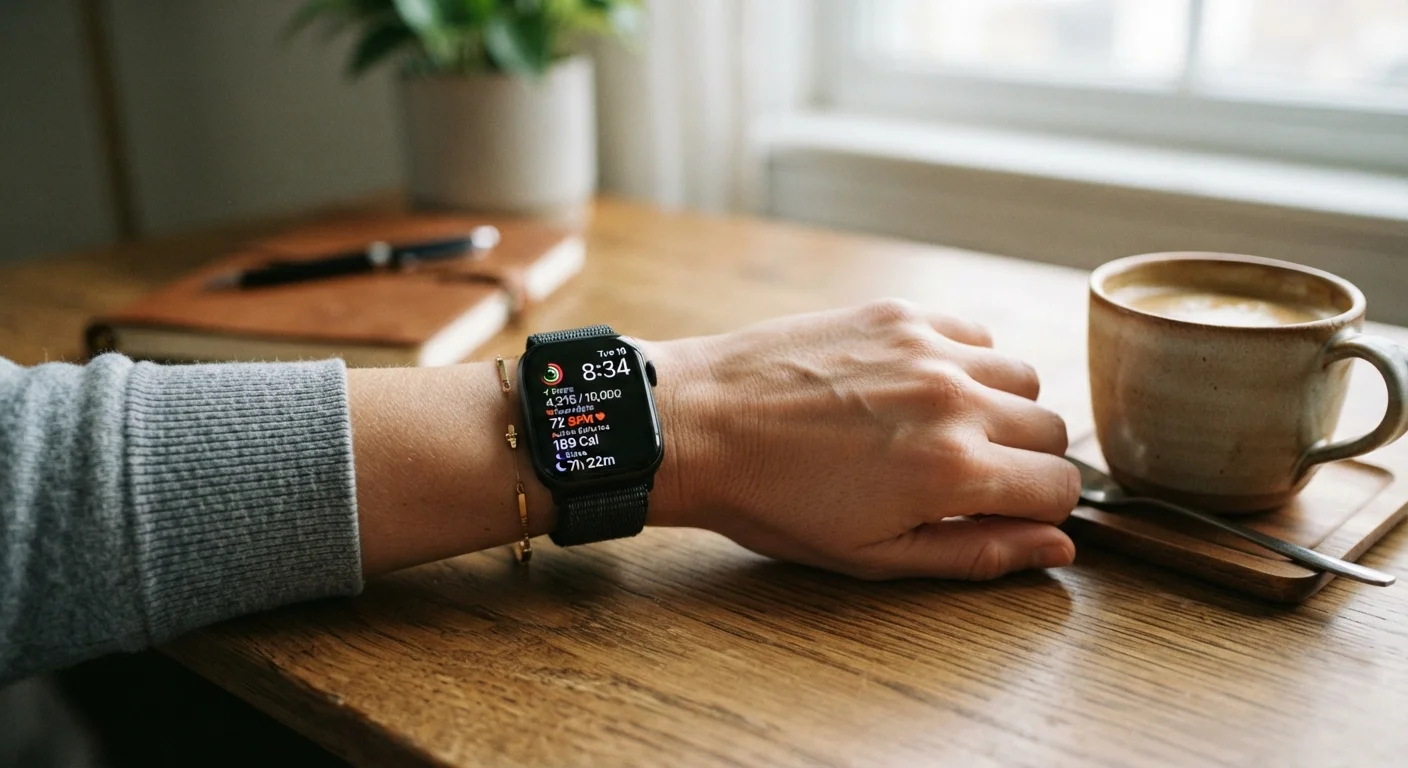
Photo: InfoAlly.net | Finding Info Made Easy editorial
Key Takeaways
- Wearables can meaningfully support movement habits and health awareness when used consistently.
- Passive notifications and data overload are among the most common friction points users report.
- Sensor data from wearables is useful context, not a clinical diagnosis - interpret it accordingly.
- Battery life and comfort during sleep tracking remain practical challenges for many users.
- The value of a wearable depends heavily on how well it fits your specific daily routine.
Consistent movement reminders build lasting activity habits
Hourly stand reminders and visible step counts create low-stakes accountability that many users find more effective than willpower alone. Over weeks, these nudges can shift baseline activity levels in a meaningful way.
Passive heart rate monitoring flags unusual patterns
Continuous heart rate tracking can surface elevated resting rates or irregular rhythms that might otherwise go unnoticed. While not a clinical tool, these alerts have prompted some users to seek timely medical follow-up.
Sleep pattern awareness encourages better bedtime habits
Seeing trends in sleep duration - even if exact sleep-stage data is imprecise - can motivate earlier bedtimes and more consistent schedules. General patterns tend to be more actionable than any single night's reading.
Glanceable notifications reduce phone dependency
Being able to read a message preview or decline a call without pulling out a phone is a genuine convenience, especially during exercise, meetings, or driving. Many users report checking their phone less often as a result.
Workout tracking removes guesswork from exercise sessions
Automatic activity detection and GPS-based route mapping give exercisers objective feedback on pace, distance, and effort without manual logging. This data is especially useful for people working toward gradual fitness improvements.
Daily charging adds a maintenance obligation
Most smartwatches require charging every one to two days, which creates a recurring task and means the device is often off the wrist overnight - the very time when sleep tracking would occur. Planning around this rhythm takes deliberate effort.
Notification overload creates new distraction patterns
Without careful configuration, a wearable can deliver even more interruptions than a phone - every email, app ping, and social update landing on your wrist. Many users find this increases rather than reduces screen-checking behaviour.
Sensor accuracy drops during intense or varied movement
Optical heart rate sensors work by detecting blood flow through the skin, a method that struggles with rapid wrist movement, cold temperatures, or loose fit. This can produce misleading readings during high-intensity workouts.
Health data can fuel anxiety rather than insight
Constant access to metrics like heart rate variability or sleep scores can tip from informative into stressful, particularly for people prone to health anxiety. Chasing perfect numbers often undermines the wellbeing the device is meant to support.
Comfort and wearability issues during sleep tracking
Wearing a device overnight for sleep tracking is uncomfortable for many users, particularly with bulkier smartwatch designs. Skin irritation from sensors or bands is also a reported issue with extended wear.
What Wearables Actually Do Day to Day
A wearable - whether a fitness band or a full smartwatch - sits on your wrist and passively collects data about your body and environment. It logs steps, estimates heart rate, records sleep duration, and can alert you to incoming messages or calendar events. For most users, this happens with minimal active effort.
The promise is straightforward: surface information that helps you make better decisions about your health and time. The reality is more nuanced. Some of that promise holds up well in practice. Some of it adds new complications. See our complete overview of phones and wearables in the modern lifestyle for a broader look at how these devices fit across work, health, and travel routines.
The Genuine Upsides
For many users, the most tangible benefit is the gentle nudge effect. A reminder to stand, a step count that's lower than expected, or a resting heart rate trend that catches your attention - these small prompts can accumulate into real habit changes over time.
Consistent movement reminders build lasting activity habits
Hourly stand reminders and visible step counts create low-stakes accountability that many users find more effective than willpower alone. Over weeks, these nudges can shift baseline activity levels in a meaningful way.
Passive heart rate monitoring flags unusual patterns
Continuous heart rate tracking can surface elevated resting rates or irregular rhythms that might otherwise go unnoticed. While not a clinical tool, these alerts have prompted some users to seek timely medical follow-up.
Sleep pattern awareness encourages better bedtime habits
Seeing trends in sleep duration - even if exact sleep-stage data is imprecise - can motivate earlier bedtimes and more consistent schedules. General patterns tend to be more actionable than any single night's reading.
Glanceable notifications reduce phone dependency
Being able to read a message preview or decline a call without pulling out a phone is a genuine convenience, especially during exercise, meetings, or driving. Many users report checking their phone less often as a result.
Workout tracking removes guesswork from exercise sessions
Automatic activity detection and GPS-based route mapping give exercisers objective feedback on pace, distance, and effort without manual logging. This data is especially useful for people working toward gradual fitness improvements.
Sleep tracking is another commonly cited upside, though it comes with important caveats. Seeing a general pattern - that you consistently get less rest mid-week, for example - can prompt useful reflection. Our article on what wearable sleep data shows and what it doesn't explains where that data is reliable and where it falls short.
The Real Frustrations
Owning a wearable isn't frictionless. The most frequently cited complaints fall into a few predictable categories, and they're worth knowing before committing to wearing one every day.
Daily charging adds a maintenance obligation
Most smartwatches require charging every one to two days, which creates a recurring task and means the device is often off the wrist overnight - the very time when sleep tracking would occur. Planning around this rhythm takes deliberate effort.
Notification overload creates new distraction patterns
Without careful configuration, a wearable can deliver even more interruptions than a phone - every email, app ping, and social update landing on your wrist. Many users find this increases rather than reduces screen-checking behaviour.
Sensor accuracy drops during intense or varied movement
Optical heart rate sensors work by detecting blood flow through the skin, a method that struggles with rapid wrist movement, cold temperatures, or loose fit. This can produce misleading readings during high-intensity workouts.
Health data can fuel anxiety rather than insight
Constant access to metrics like heart rate variability or sleep scores can tip from informative into stressful, particularly for people prone to health anxiety. Chasing perfect numbers often undermines the wellbeing the device is meant to support.
Comfort and wearability issues during sleep tracking
Wearing a device overnight for sleep tracking is uncomfortable for many users, particularly with bulkier smartwatch designs. Skin irritation from sensors or bands is also a reported issue with extended wear.
Data accuracy is another persistent frustration. Wrist-based heart rate sensors perform well during steady-state activity but can struggle during high-intensity movement or when the device fits loosely. Understanding what wearable sensors genuinely measure - and what they can't - is essential context. Our piece on what wearable health sensors actually measure walks through those limits clearly.
Wearable Data Is Not a Medical Diagnosis
Finding a Healthier Relationship With the Data
The users who report the most satisfaction with wearables tend to share a common approach: they treat the data as directional, not definitive. A single night's sleep score or an elevated heart rate reading isn't cause for alarm - a persistent multi-week trend might be worth discussing with a healthcare professional.
Notification management is equally important. Turning off non-essential alerts - and keeping only the ones that genuinely serve you - reduces the wrist-tap fatigue that drives many people to leave their device in a drawer. Our guide on getting more from a fitness tracker without obsessing over numbers offers practical strategies for using these devices thoughtfully rather than reactively.
~30%
Wearable owners who stop using device within months
Industry research consistently suggests a notable share of fitness tracker owners abandon regular use within the first few months, often citing charging hassle or waning novelty.
1-2 days
Typical smartwatch battery life
Most full-featured smartwatches require charging every one to two days, a significant contrast to the weeks-long battery life of basic fitness bands.
It's also worth recognising that wearable needs evolve. The way people use wearables shifts across life stages - what matters at 25 looks different at 55, and a device that fits one phase of life may feel less relevant in another.
This article is for general informational purposes only and is not medical advice. Always consult a qualified healthcare professional before making health decisions based on wearable data or any other source.
The content on this site is for informational purposes only and is not a substitute for professional advice. Always consult a qualified professional for guidance specific to your situation.