
Rooms Worth Automating First (and Why the Order Matters)

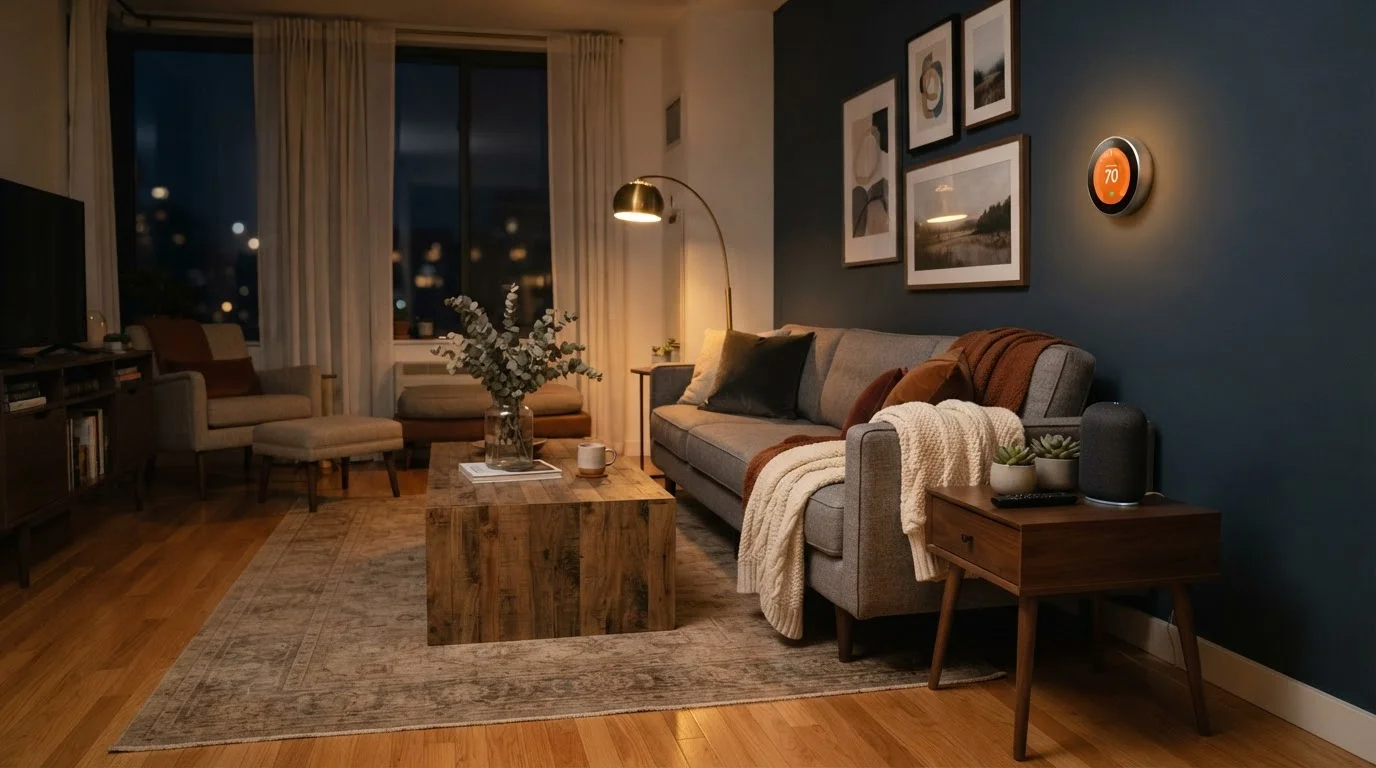
Photo: InfoAlly.net | Finding Info Made Easy editorial
Key Takeaways
- Begin with rooms where automation saves real time or energy every single day.
- The entry and living room offer the fastest visible payoff for most households.
- Bedrooms and kitchens benefit more once foundational devices are already in place.
- Order matters because early wins build confidence and clarify what you actually need.
- A phased approach costs less upfront and reduces the risk of buying devices you won't use.
Why Starting Room-by-Room Makes Smart Homes Work
One of the most common smart home mistakes is treating an entire house as a single project. Most households that struggle with connected devices didn't choose the wrong products - they started in the wrong places. When the first automations don't feel useful, the whole idea loses momentum.
Room-by-room adoption works better for two reasons: it limits upfront spending, and it gives each device a chance to prove its value before you commit to expanding. If you're just getting started, the practical walkthrough for first-time smart home setup covers hubs, apps, and device pairing in the right sequence before you buy anything.
The five rooms below are ordered by where most households see the clearest, fastest return - not by size, prestige, or how often they appear in product marketing.
Before You Buy: Map the Friction First
The Five Rooms to Automate, in Order
The Entryway: Security and Convenience Combined
The front entry is the most logical starting point for home automation. A smart lock, a video doorbell, and a motion-sensing light address three genuine daily friction points - fumbling for keys, missing deliveries, and leaving lights on - in one compact area.
Because the entryway handles a predictable, repeated action (coming and going), automated routines work reliably here. A single scene can unlock the door, turn on a pathway light, and disarm a security sensor simultaneously. The return on that setup is felt every time someone walks through the door.
The entryway delivers more daily automation value per device than almost any other space.
The Living Room: Lighting and Audio That Follow Your Routine
Most households spend more waking hours in the living room than anywhere else, which makes it the second-highest-payoff space. Smart lighting with adjustable color temperature lets you shift from bright task light in the afternoon to warm ambient light in the evening without touching a switch.
A smart speaker or display added here acts as a natural control hub - it can handle timers, answer quick questions, and trigger routines in other rooms. That said, think carefully about whether voice control or app-based control better fits how your household actually moves. The voice assistant versus app decision is worth making consciously rather than defaulting to whichever came in the box.
Smart lighting in the living room is the single change most people notice and use immediately.
The Thermostat: Whole-Home Impact from One Device
A smart thermostat isn't tied to one room, but it's listed here because the physical device typically lives in a hallway or living area - and the decision to install one early has outsized effects on the whole home. Heating and cooling represent a large share of household energy use, and a thermostat that adjusts to your schedule removes a significant source of waste without requiring any ongoing effort.
Modern smart thermostats build a profile of when the home is occupied and when it isn't. Over several weeks, that profile becomes more accurate. Understanding how smart thermostats learn your patterns helps set realistic expectations for the first month of use.
One smart thermostat affects comfort and energy use across every room in the house.
The Bedroom: Automations That Support Rest
Bedrooms benefit most from automation once you have a clearer sense of your habits - which is why they come fourth rather than first. The most useful features here are scheduled lighting that dims gradually before sleep, a wake-up routine that brings lights up slowly instead of jarring you awake, and smart plugs on devices like fans or humidifiers that can be set to a timer.
Avoid over-automating this room early on. Screens, alerts, and voice assistants near the sleeping area can disrupt rest as easily as improve it. A measured approach - adding one device, observing the effect, then deciding whether to expand - works better here than in any other room.
Bedroom automation works best when it's subtle, scheduled, and limited to a few well-chosen devices.
The Kitchen and Utility Areas: Convenience With Caveats
Kitchens and laundry rooms offer real automation potential - smart plugs on coffee makers, notifications when a washer cycle ends, a robot vacuum scheduled to run after meals - but they also carry the most risk of buying devices that don't fit the actual workflow of your household.
A robot vacuum's genuine strengths and limitations are worth understanding before purchasing one, for example. In these rooms, solve a problem you actually have rather than automating for its own sake. By this stage in the process, you'll have a clearer sense of where automation adds value and where it just adds complexity.
Automate the kitchen and utility areas only after identifying a specific, recurring task worth offloading.
Why Order Matters More Than You Might Think
Building From Here
Once the foundational rooms are running smoothly, expanding becomes much easier - because you understand your own patterns, you know which platforms your devices use, and you've identified the automations that genuinely changed how you move through the day.
If you find yourself uncertain about whether a central hub is worth adding at this stage, a balanced look at home automation hubs can help clarify when they add capability versus complexity. For a broader grounding in how all of these pieces fit together, a homeowner's starting point for smart home tech remains a useful reference at any stage of the journey.
The content on this site is for informational purposes only and is not a substitute for professional advice. Always consult a qualified professional for guidance specific to your situation.