
The Quiet Luxury Aesthetic: Why Understated Dressing Took Over American Closets

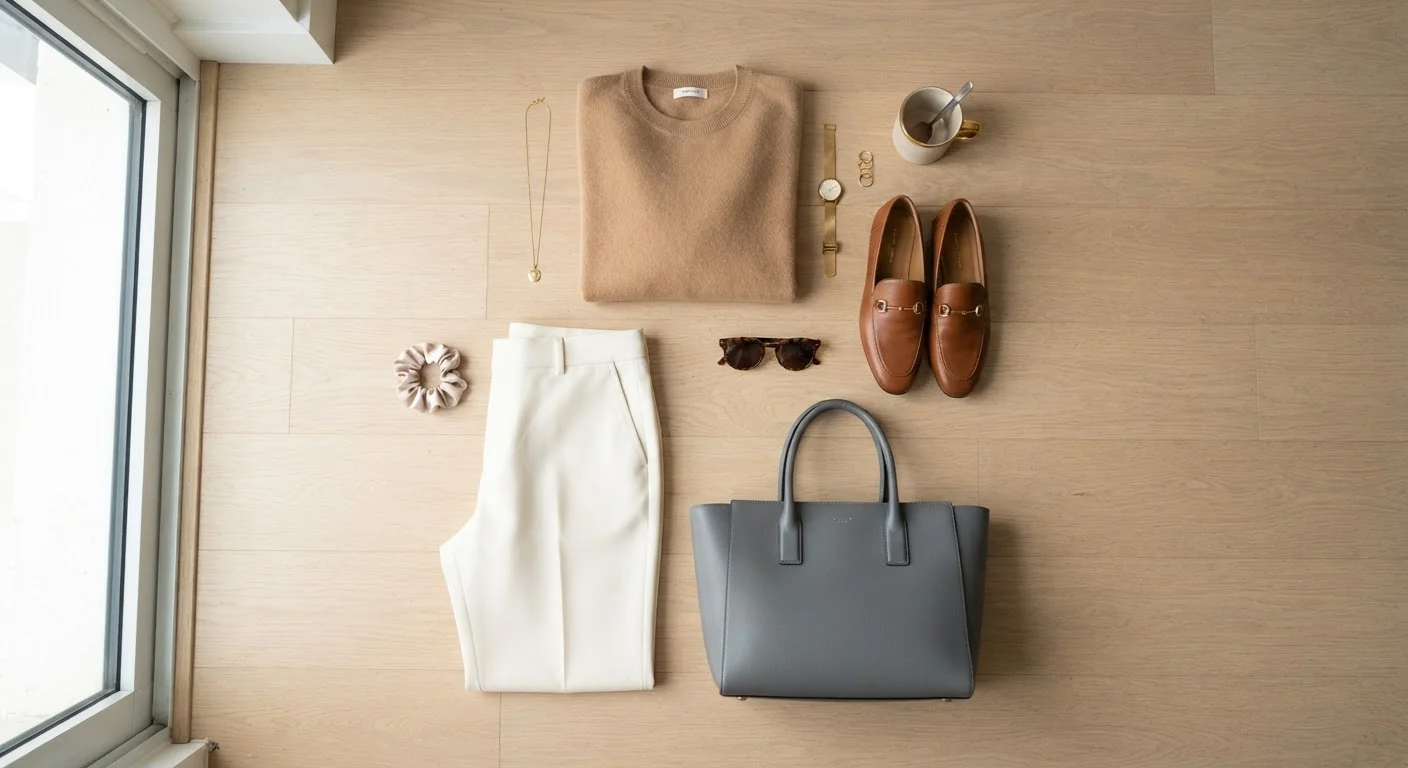
Photo: InfoAlly.net | Finding Info Made Easy editorial
Key Takeaways
- Quiet luxury prioritizes fabric quality and precise fit over logo visibility or trend novelty.
- The aesthetic gravitates toward a neutral palette - ivory, camel, slate, stone, and navy.
- It gained mainstream traction partly through prestige television and evolving post-pandemic values around consumption.
- You can apply quiet luxury principles at any budget by focusing on silhouette, material, and restraint.
- The trend aligns naturally with capsule wardrobe thinking and intentional dressing habits.
Where the Trend Came From
Quiet luxury didn't emerge in a vacuum. Fashion observers trace its renewed cultural momentum to a confluence of forces: the post-pandemic reappraisal of consumption, growing fatigue with hypebeast-era logomania, and - perhaps most visibly - prestige television. Costume-driven storytelling in shows built around old-money characters brought a certain kind of restrained, patrician dressing into living rooms across America. Viewers noticed the details: the perfectly weighted trousers, the cashmere that draped just so, the complete absence of anything screaming for attention.
That visibility arrived alongside a broader cultural conversation about authenticity and considered consumption. After years of maximalist social media aesthetics and fast-fashion churn, a growing number of consumers began gravitating toward the opposite - pieces that felt like investments rather than impulse buys.
67%
Consumers prioritizing quality over quantity
A 2023 McKinsey & Company report on consumer sentiment found that a majority of surveyed shoppers said they intended to buy fewer, higher-quality items - a value shift closely aligned with quiet luxury principles.
30%+
Growth in resale of luxury basics
Resale platforms have reported consistent growth in demand for elevated basics - neutral knitwear, structured outerwear, leather goods - categories that sit at the core of the quiet luxury aesthetic.
It's worth noting that 'stealth wealth' dressing has never truly gone away among certain demographics; what changed was its crossover into mainstream conversation and aspirational imaging.
What Actually Defines the Look
Strip away the cultural context and quiet luxury comes down to a few concrete style principles. The palette is restrained: ivory, camel, stone, oatmeal, slate, navy, and warm black dominate. Color is used as a backdrop, never a statement. Silhouettes are clean and well-proportioned - tailored without being rigid, relaxed without being sloppy.
Fabric is everything. Quiet luxury dressing puts a premium on natural, tactile materials - cashmere knitwear, heavyweight silk blouses, well-constructed wool coats, supple leather accessories. The logic is that a beautifully made garment in an understated colorway communicates more than any logo could. As our guide to fabric, fit, and finish explains, polish rarely comes from price tags alone - it comes from understanding how materials and construction actually behave.
Start With Fabric, Not Logo
Visible branding is largely absent. If a logo appears at all, it's subtle - tonal embossing, a small metal charm, a discreet interior label. The point is that someone in the know will recognize the quality; everyone else simply sees a person who looks quietly, effortlessly together.
Why It Resonated So Broadly
The appeal of quiet luxury spans demographics in a way that few single aesthetics manage. For older consumers, it reflects values they already held: invest in fewer, better things. For younger shoppers discovering it through social media, it offered an antidote to trend fatigue - a framework that wouldn't feel dated by next quarter.
There's also a psychological dimension. The aesthetic is inherently low-stakes in social settings. Nothing about it demands validation or invites critique. It reads as confident and self-possessed, which is aspirational regardless of income level.
Quiet luxury also dovetails neatly with capsule wardrobe philosophy. If you're curious how it compares to a more trend-driven approach to getting dressed, the capsule wardrobe versus trend-driven closet breakdown lays out both philosophies honestly. And because the neutral palette travels across seasons, many devotees find it pairs naturally with transitional dressing strategies for in-between weather.
How to Bring It Into Your Own Closet
Adopting quiet luxury principles doesn't require a wardrobe overhaul or a luxury budget. Start with your existing pieces and identify the ones that already hit the notes: clean lines, neutral tones, quality materials. Those become your foundation.
From there, the work is largely about editing and proportion. Pull back on visible logos where possible. Prioritize fit - even an inexpensive garment reads as elevated when it's properly fitted. When adding new pieces, favor natural fabrics and finishes that age well rather than trend-specific silhouettes.
Understanding your broader style identity helps here too. Quiet luxury is one of several recognizable style archetypes, and knowing whether it genuinely resonates with your instincts - or whether you're drawn to it as a trend - can inform how far you take it. Our style archetypes explainer is a useful starting point for that self-assessment.
“Real elegance is refusing everything that does not suit you.”
— Coco Chanel, Pioneering fashion designer and founder of the Chanel brand
Ultimately, quiet luxury works best when it's an expression of intention rather than performance. The restraint should feel natural, not labored - which is, somewhat fittingly, exactly the effect the aesthetic is going for.
Frequently Asked Questions
The content on this site is for informational purposes only and is not a substitute for professional advice. Always consult a qualified professional for guidance specific to your situation.